



When Essilor and Luxottica merged in 2018, creating EssilorLuxottica, the eyewear industry’s two giants formed a vertically integrated powerhouse controlling everything from lens manufacturing to retail distribution. The €50+ billion merger combined Essilor’s optical expertise with Luxottica’s fashion-forward brand portfolio (Ray-Ban, Oakley, Persol) and retail network (LensCrafters, Sunglass Hut).
Five years later, EssilorLuxottica generates over €25 billion annually, controls roughly 30% of the global eyewear market and has transformed how consumers discover, try and purchase eyewear through AI-driven personalisation, augmented reality innovation and strategic digital transformation.
For any luxury brand that wants to partner with a digital marketing agency to achieve category leadership or businesses navigating post-merger integration, EssilorLuxottica’s journey offers invaluable lessons in balancing innovation with integration, technology with brand building and global scale with local relevance.
Table of Contents:
- From Lenses to Lifestyle: The EssilorLuxottica Story
- Post-Merger Marketing Synergies: Unifying Vision and Luxury
- Strategic Pillars of Growth:
- AI and SEO: The Backbone of Digital Visibility
- AR, VR and Web 3.0: Redefining Personalisation
- Partnership Ecosystem: Fashion, Health and Tech Converge
- What Marketers Can Learn from EssilorLuxottica
- Concluding Thoughts
- FAQs
From Lenses to Lifestyle: The EssilorLuxottica Story
EssilorLuxottica is the result of a major strategic merger between Essilor (vision-care technology) and Luxottica (luxury frames and global retail) in 2018. The combined organization holds a vertically integrated business model from lens development to retail distribution.
Their ambition has shifted from purely functional eyewear to a lifestyle offering: giving consumers both “seeing better” and “looking better”. That shift creates fertile ground for marketing agencies. There is a balance between craftsmanship and science on one side, and design identity and culture on the other. The story transitions from an “optical need” to a “fashion statement,” which offers rich narrative opportunities.
Post-Merger Marketing Synergies: Unifying Vision and Luxury
The merger brought operational scale but also cultural complexity: Essilor, rooted in clinical precision; Luxottica, steeped in design heritage. The marketing imperative became integrating both without losing either.
Key integration points
- Brand portfolio management: Ray-Ban, Oakley, Persol, and Vogue Eyewear are positioned across tiers from aspirational to premium, enabling tailored marketing strategies for each brand.
- Unified messaging: The fusion of “better vision” and “aspirational lifestyle” creates a positioning that appeals to both performance-focused and style-driven consumers.
- Cross-division innovation: The Ray-Ban x Meta smart-glasses initiative showcases collaboration between Luxottica’s frame design and Essilor’s optical expertise, integrating technology with wearable vision.
The Retailer Relationship Challenge
Pre-merger, independent opticians bought Essilor lenses whilst sometimes viewing Luxottica as a competitor due to its owned retail chains. Post-merger, EssilorLuxottica needed to maintain these B2B relationships whilst growing direct-to-consumer channels.
The solution involved clear channel separation: owned retail focuses on branded fashion eyewear, independent opticians receive technology support and exclusive lens innovations, and online D2C channels target convenience-focused consumers. This segmentation reduced channel conflict whilst allowing growth across all distribution models.
Mini Table: Brand vs Focus
| Brand | Core Positioning | Key Marketing Focus |
|---|---|---|
| Ray-Ban | Iconic, tech-hybrid | AR/VR experiences, social storytelling |
| Oakley | Performance innovation | Sports sponsorships, data-driven content |
| Vogue Eyewear | Accessible luxury | Influencer-led digital campaigns |
The merger also enabled broader distribution and direct-to-consumer (D2C) capabilities. Their omnichannel model reflects the integration of online and offline experiences.
Strategic Pillars of Growth:
Beyond technology innovation, EssilorLuxottica’s growth relies on four strategic marketing pillars executed consistently across brands and markets.
1. Brand Visibility Through Cultural Moments
EssilorLuxottica invests heavily in brand visibility, particularly for Ray-Ban and Oakley. This goes beyond traditional advertising to cultural integration through continuous celebrity and influencer seeding, music festival partnerships, film and entertainment collaborations, limited edition collaborations with designers and social media campaigns leveraging user-generated content.
The goal isn’t a direct response. It’s maintaining Ray-Ban’s position as the default, iconic eyewear brand. When consumers think of sunglasses, they think Ray-Ban. That mental availability drives sustained market share.
2. Customer Loyalty Programmes Driving Retention
EssilorLuxottica invested significantly in loyalty programme enhancement, particularly through owned retail chains. The MySunglassHut and LensCrafters loyalty programmes offer purchase rewards and exclusive early access, personalised recommendations based on purchase history, free cleaning and adjustments (increasing store visits) and tiered benefits encouraging higher spending.
Loyalty programme members visit stores more frequently than non-members, Over 7 in 10 consumers belong to at least one loyalty reward programand show dramatically higher lifetime value. The programmes provide valuable first-party data enabling personalised marketing whilst strengthening emotional connection.
3. Adaptive Pricing Strategy
EssilorLuxottica operates across price segments from budget to premium. Pricing strategy adapts by brand, market and channel. Premium brands (Oliver Peoples, Persol) rarely discount, maintaining luxury positioning. Ray-Ban and Oakley use selective seasonal promotions. Licensed brands compete directly on price. Prices adjust by market purchasing power and competitive intensity.
This segmented approach maximises revenue across consumer segments without brand confusion or channel conflict.
4. Omnichannel Integration
EssilorLuxottica’s vertical integration enables seamless omnichannel experiences that competitors can’t match. Customers can research online and try in-store, use virtual try-on online, then book in-store appointments, purchase in-store with home delivery or buy online with local store pickup and fitting. Unified customer profiles across channels enable consistent service.
This flexibility removes friction from eyewear purchasing, whilst data integration provides comprehensive customer understanding, enabling better marketing personalisation.
Partnership Strategies
Technology partnerships with Meta (Ray-Ban Stories smart glasses) and Google position EssilorLuxottica at the intersection of eyewear and wearable technology. These partnerships generate substantial media coverage whilst testing potential future product categories.

Luxottica’s licensing model partners with fashion houses (Prada, Chanel, Versace) for branded eyewear. These partnerships provide access to luxury fashion brand equity, design innovation through fashion house creative input and revenue through licensing fees whilst expanding brand portfolio without acquisition costs.
AI and SEO: The Backbone of Digital Visibility
EssilorLuxottica’s most impressive marketing innovation involves generative AI and semantic SEO, transforming how consumers discover eyewear online.
The Digital Discovery Challenge
The Issue: Eyewear faces unique e-commerce challenges. Fit, comfort and appearance vary dramatically by face shape. Consumers struggle to search effectively. Traditional SEO focused on generic keywords, missed the long-tail, specific queries that indicate purchase intent.
The AI-Powered Solution
EssilorLuxottica partnered with AI platforms to implement generative SEO (GEO) that understands context and intent rather than just keywords. The system uses knowledge graphs, entity recognition and natural language processing to connect products with highly specific consumer queries.
Example:Consumer searches “lightweight glasses for sensitive nose bridge.” Traditional SEO returns generic, lightweight frames. AI-powered SEO identifies the specific problem, surfaces frames with adjustable nose pads and lighter materials and includes content explaining fit solutions.
To understand more about AI in SEO, click here.
Measurable Impact
Published case studies show EssilorLuxottica’s AI-driven SEO delivered a 16% increase in organic traffic to product pages, 28% improvement in conversion rate for organic visitors, 45% reduction in bounce rate from search traffic and a significant improvement in rankings for long-tail, high-intent queries.
The technology continuously learns from user behaviour, refining which products match which queries and generating new content addressing previously unserved search intentions.
The Competitive Advantage
Most eyewear competitors still rely on traditional keyword-based SEO. EssilorLuxottica’s semantic approach creates compounding advantages as AI systems accumulate more behavioural data, making product recommendations increasingly accurate.
AR, VR and Web 3.0: Redefining Personalisation
Eyewear traditionally required in-store try-ons. EssilorLuxottica’s AR technology transformed this limitation into a digital advantage.
The Virtual Try-On Evolution
Ray-Ban’s initial virtual try-on used simple face detection and frame overlay. The technology evolved significantly with accurate 3D face mapping using smartphone cameras, realistic frame rendering accounting for face contours and lighting, real-time adjustment as users move, multiple frame comparison and social sharing enabling feedback before purchase.

Adoption and Impact
Over 60% of Ray-Ban website visitors now use virtual try-on before purchase. Users who engage with virtual try-on convert at 4x the rate of those who don’t, and return products 40% less frequently (better fit accuracy reduces sizing issues).
The Prescription Lens Challenge
For prescription glasses, virtual try-on is more complex. Users need to see how frames look AND understand lens options. EssilorLuxottica integrated prescription lens visualisation into virtual try-on, showing how different lens types affect appearance (thickness, tint, reflection).
This integration reduced the “I’ll buy frames online but get lenses from my optician” behaviour that previously limited e-commerce conversion for prescription eyewear.
Partnership Ecosystem: Fashion, Health and Tech Converge
EssilorLuxottica’s marketing strength comes in part from strategic alliances across industries.
- Tech partnerships: The long-term collaboration with Meta Platforms (for smart glasses) shows how eyewear becomes a wearable computing platform.
- Health credentials: The lens-technology heritage (Essilor) gives authenticity in a health-adjacent product category, enabling deeper customer trust — something many consumer brands seek but seldom build.
- Fashion collaborations: By leveraging lifestyle and design credibility from Luxottica’s heritage frames, the brand taps cultural relevance, influencer culture, and youth appeal.
These partnerships amplify reach, provide content opportunities, and support innovation pipelines. For the digital marketing agency world, this means design your campaigns not only around your product but around the ecosystem and alliances that shape user perception
What Marketers Can Learn from EssilorLuxottica
EssilorLuxottica’s strategies offer lessons applicable beyond eyewear to any business navigating technology disruption, category integration or omnichannel complexity.
1. Post-Merger Brand Strategy Requires Independence
The instinct post-merger is to create unified branding. EssilorLuxottica demonstrates that maintaining brand independence whilst integrating operations often delivers better outcomes. Each brand serves distinct consumer segments. Forced unification would have diluted equity without capturing meaningful synergies.
2. Technology Should Solve Real Customer Problems
Virtual try-on succeeded because it solved a genuine problem: uncertainty about fit and appearance. Many AR implementations feel gimmicky. EssilorLuxottica’s technology directly removes purchase friction, making adoption natural rather than forced.
3. AI and Semantic SEO Create Compounding Advantages
Traditional SEO is increasingly commoditised. EssilorLuxottica’s AI-driven semantic approach addresses long-tail queries competitors ignore, capturing high-intent traffic whilst systems continuously improve through machine learning. Working with a digital marketing agency that understands these advanced capabilities matters more as AI search grows.
4. Loyalty Programmes Need Value Beyond Discounts
EssilorLuxottica’s loyalty programmes succeed because they offer services (cleaning, adjustments) and experiences (early access, exclusive events) alongside purchase rewards. Discount-only programmes commoditise purchases. Service-based loyalty builds emotional connections.
5. Omnichannel Requires Operational Integration
Many retailers claim to be omnichannel whilst operating siloed channels. EssilorLuxottica’s vertical integration enables genuine flexibility because inventory, customer data and operations integrate backend. Surface-level omnichannel frustrates customers.
Concluding Thoughts
EssilorLuxottica’s journey is not simply about manufacturing eyewear at scale. It is about creating a brand ecosystem where vision, design and digital converge. Its marketing wins are rooted in structural advantages; vertical integration, technology portfolio, global reach, but more importantly, they are grounded in strategic marketing alignment across brand architecture, digital innovation and consumer experience.
For any brand working with a digital marketing agency, the lessons are clear: build data-led narratives, integrate tech into experience, control distribution and pricing, and invest in partnerships that stretch your ecosystem beyond your core product. The future belongs to those who can combine vision (literally) with innovation (figuratively).
FAQs
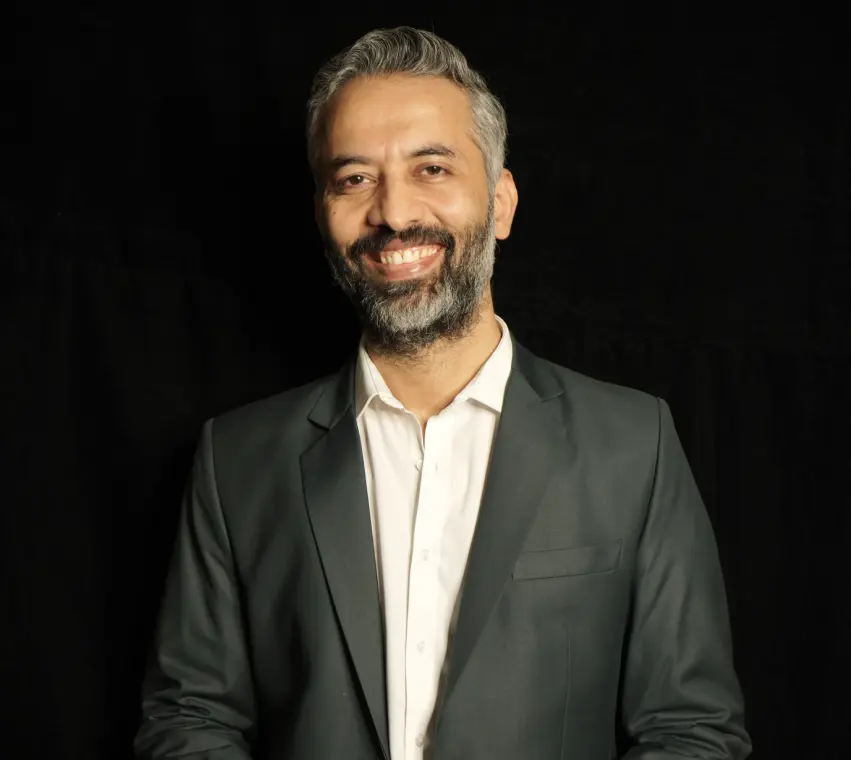
Vasim Samadji is a partner at Flora Fountain, where he leads the Business and Marketing Strategy divisions. In a world where everyone is used to sugarcoating, his directness is often considered rude. But that shouldn't be a problem if you like the no-nonsense approach. Because he is a seasoned professional...