


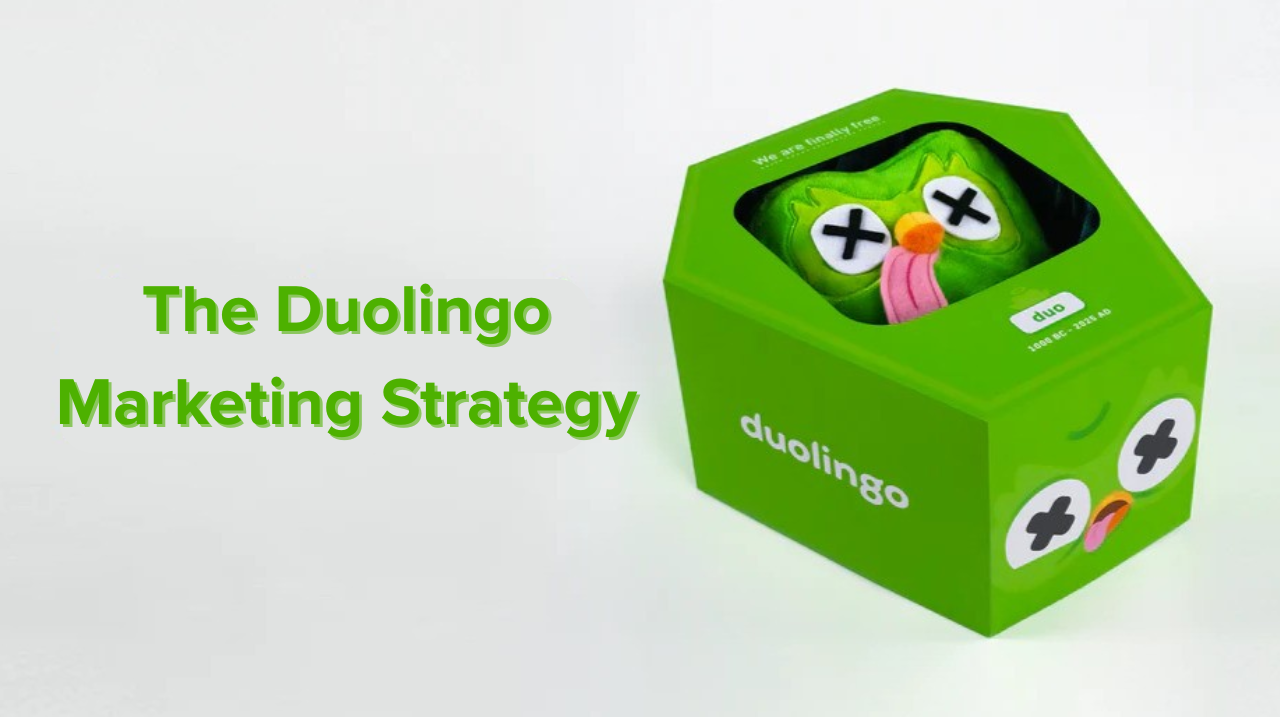
Most brands believe visibility comes from better media buying, smarter funnels, or higher content output. Duolingo disproves all three assumptions. Its growth has not been fuelled by traditional advertising scale or feature-heavy communication. Instead, it has been driven by cultural relevance, behavioural understanding, and an unusual level of creative restraint.
Duolingo does not behave like a conventional education brand, nor like a performance-driven app company. It behaves like a native internet brand that understands how attention actually works today. The result is a brand that people actively follow, quote, meme, and voluntarily promote.
This effectiveness is not accidental. It is the outcome of strategic decisions about brand voice, platform behaviour, audience psychology, and internal creative freedom. Duolingo’s marketing success is less about humour and more about discipline. Less about trends and more about systems.
For brands trying to build relevance in saturated categories, a prominent branding agency’s tip would be follow Duolingo’s success thoroughly, as it shows how marketing works when brand strategy, culture, and execution are aligned.
Table of Contents:
- What is even a Duolingo?
- Why Most Brands Fail to Create Relevance like Duolingo
- Duolingo’s Brand Positioning
- Platform-Native Behaviour Over Campaign Thinking
- Treating the Brand as a Character, Not a Product
- Why Consistency Beats Creativity at Scale
- Community Participation Over Audience Targeting
- Internal Systems That Enable External Chaos
- What Brands Misunderstand When Copying Duolingo
- Measuring Effectiveness Beyond Vanity Metrics
- Conclusion
- FAQs
What is even a Duolingo?
Long before Duolingo became a cultural reference point on social platforms, it was built on a clear structural belief. Education should be accessible, habit-forming, and free at the point of entry. Development began around 2009, with the public launch following in 2012, at a time when most digital education products were locked behind paywalls or institutional models.
View this post on Instagram
The company attracted early institutional confidence, raising capital from notable investors such as Google Capital and celebrity-backed funds, giving it both financial runway and strategic credibility. One of its co-founders, Luis von Ahn, previously created reCAPTCHA, a product adopted at a global scale. That background shaped Duolingo’s thinking around mass adoption and behavioural design rather than niche learning outcomes.
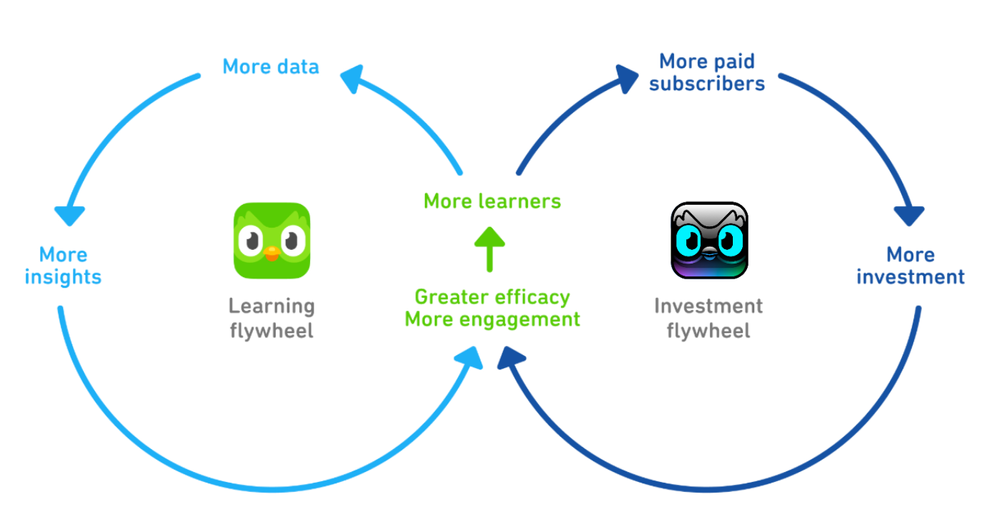
The freemium model remains central. Core functionality is free, while subscriptions remove ads and add features. This choice prioritised scale before monetisation. By 2024, Duolingo reported a revenue of over $748 million in 2024, a 40.8% year-on-year increase, with paid subscribers crossing approximately 8 million, a significant increase from under 3 million in 2022. The majority of new user acquisition continues to come from organic discovery, product-led sharing, and cultural visibility rather than paid media dominance.
Crucially, product design reinforces engagement. Gamified mechanics like streaks, hearts, leagues, and leaderboards transform learning into a repeatable habit. This foundation made later marketing success possible. Virality amplified an experience that already worked.
Why Most Brands Fail to Create Relevance like Duolingo
Brands often treat social platforms as distribution channels rather than cultural environments. They repurpose TV logic into short-form content and call it digital strategy. The outcome is predictable. Polished content with no relevance, reach without retention, and engagement that does not compound.
Duolingo avoids this trap by understanding that relevance precedes persuasion. Before selling language learning, it earns attention by participating in internet culture. It does not interrupt behaviour. It blends into it.
From the perspective of a modern Social media company, this is the difference between broadcasting and belonging. Duolingo does not ask for attention. It behaves in a way that naturally attracts it. That distinction explains why its content travels organically while competitors struggle despite similar budgets.
Cultural relevance cannot be engineered through volume. It requires clarity, courage, and the willingness to prioritise long-term brand equity over short-term approval.
Duolingo’s Brand Positioning
View this post on Instagram
Playfulness only works when the underlying brand positioning is stable. Many brands attempt humour and fail because they have not defined what they stand for clearly enough. Without a strong core, humour becomes random and inconsistent.
Duolingo’s positioning is deceptively simple. It is friendly, slightly unhinged, and relentlessly persistent. The brand promise is not framed around academic excellence or structured learning. It is about making language learning approachable, habitual, and human.
This clarity permits Duolingo to behave unconventionally. When a brand knows exactly who it is, it can bend norms without breaking trust. The owl can threaten users about missed lessons because the audience understands the joke and the intent.
A competent branding agency would recognise that Duolingo’s humour is not a tactic. It is an expression of positioning. The brand voice remains consistent across platforms, formats, and years. That consistency is what allows experimentation without confusion.
Brands that skip this foundational work often misread Duolingo’s success. They imitate the tone without building the structure that supports it. The result feels forced, opportunistic, and ultimately forgettable.
Platform-Native Behaviour Over Campaign Thinking
Duolingo does not treat social media as a place to deploy campaigns. It treats it as a space to behave. This distinction changes everything. Campaigns have timelines, approvals, and performance targets. Behaviour has rhythm, adaptability, and personality.
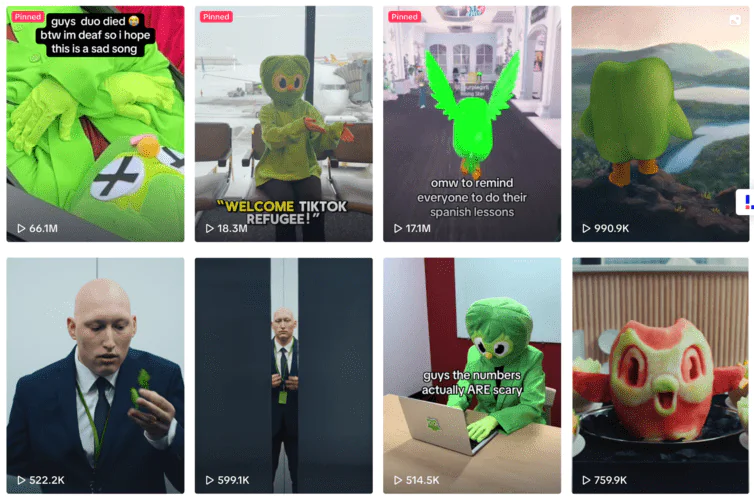
On platforms like TikTok, Duolingo does not plan months. It reacts in real time to trends, comments, and cultural moments. The content feels spontaneous because it is allowed to be. That responsiveness signals authenticity, which algorithms and audiences both reward.
Most brands are structurally incapable of this approach. Approval layers, brand guidelines written for television, and fear of inconsistency prevent them from acting natively. Duolingo solves this by empowering its social team with trust and boundaries rather than scripts.
Duolingo understands that platforms reward participation, not perfection. The content looks simple, but the strategy behind it is disciplined. The brand knows when to speak, when to stay silent, and when to amplify others.
This behavioural fluency is difficult to copy because it requires organisational alignment, not just creative inspiration.
Treating the Brand as a Character, Not a Product
Duolingo’s marketing works because the brand behaves like a character with motives, flaws, and emotional range. Audiences do not follow products. They follow personalities. The owl is not a mascot in the traditional sense. It is the brand.
This character-led approach creates narrative continuity. Every post, comment, and reaction feels like part of the same story. The brand has memory. It remembers jokes, references past content, and evolves.
Most brands reset their tone with every campaign. Duolingo compounds. This accumulation builds familiarity and loyalty. Audiences feel like they know the brand, even if they have never used the app.
From a branding agency lens, this is advanced brand building. It moves beyond visual identity into behavioural identity. The brand is recognisable without logos or colours because its personality is distinct.
This strategy also lowers creative friction. When the brand is a character, content decisions become intuitive. The question shifts from what we post to what Duolingo do. That clarity accelerates output without diluting coherence.
Why Consistency Beats Creativity at Scale
Duolingo’s content appears creative because it is consistent. Most brands overvalue originality and undervalue repetition. They chase novelty at the expense of recognition. Duolingo does the opposite.
The owl appears repeatedly. The jokes echo. The tone remains familiar. This repetition trains the audience. They recognise the brand instantly, which increases engagement before the message is even processed.
Consistency also builds algorithmic advantage. Platforms reward predictable engagement patterns. When users consistently interact with Duolingo content, the platform learns to distribute it more aggressively.
This is not accidental creativity. It is a strategic discipline. The brand resists the urge to reinvent itself every quarter. Instead, it refines what already works.
A mature Social media company understands that scale is achieved through systems, not sparks. Duolingo’s system allows creativity to flourish within boundaries. That balance is what keeps the brand interesting without becoming incoherent.
Brands that mistake constant change for innovation often exhaust their audience. Duolingo keeps its audience comfortable enough to stay and curious enough to return.
Community Participation Over Audience Targeting
Duolingo does not speak to its audience. It speaks with them. Comments are not an afterthought. They are part of the content strategy. The brand replies, jokes, and sometimes gets ratioed. That vulnerability is intentional.
View this post on Instagram
Traditional marketing thinking frames audiences as targets. Duolingo treats them as collaborators. This shift transforms engagement from a metric into a relationship. Users feel seen, which increases emotional investment.
This approach requires confidence. Participating openly invites criticism. Duolingo accepts this risk because it values authenticity over control. The occasional backlash does not damage the brand because the audience understands the context.
From a branding agency perspective, this is community-led brand building. The brand does not dictate meaning. It co-creates it. Memes about Duolingo often originate from users, not the brand itself.
This level of participation turns users into advocates. They spread the brand narrative voluntarily, reducing the need for paid amplification.
Internal Systems That Enable External Chaos
Duolingo’s apparent chaos is supported by strong internal systems. Freedom exists because boundaries are clear. The social team understands what is acceptable, what is off-limits, and what the brand will stand behind.
This alignment reduces approval bottlenecks. Decisions are made quickly because trust exists. Leadership does not micromanage tone. They evaluate outcomes.
Many brands attempt Duolingo-style content without adjusting internal processes. The result is frustration. Creators are constrained, and content loses immediacy.
Chaos on the outside often signals order on the inside. Brands that want similar results must examine not just their content, but their culture.
What Brands Misunderstand When Copying Duolingo
Most brands copy Duolingo at the surface level. They mimic humour, trends, and formats without understanding the strategy underneath. This usually backfires.
Without clear positioning, playful content feels desperate. Without community trust, jokes feel forced. Without internal alignment, speed becomes risky.
Duolingo’s strategy works because every layer supports the next. Brand clarity enables behaviour. Behaviour builds culture. Culture drives growth.
A responsible branding agency would advise clients to learn from Duolingo’s principles, not its punchlines. The lesson is not to be funny. It is to be intentional.
Brands that skip the foundational work often conclude that Duolingo’s success is unrepeatable. It is not. It is simply disciplined in ways most organisations are not.
Measuring Effectiveness Beyond Vanity Metrics
Duolingo’s effectiveness cannot be measured solely through likes or shares. Its real impact is brand salience, cultural presence, and long-term retention.
The brand is remembered. It is referenced in conversations unrelated to language learning. That mental availability translates into growth over time.
Short-term metrics matter, but they do not explain Duolingo’s sustained momentum. The strategy works because it compounds.
An experienced Social media company evaluates success through brand health indicators, not just engagement spikes. Duolingo’s marketing has built an asset, not just attention.
Conclusion
Duolingo’s marketing strategy is effective because it is coherent, disciplined, and culturally fluent. It prioritises relevance over reach and personality over promotion.
The brand behaves like a participant, not a broadcaster. It trusts its audience, empowers its teams, and commits to consistency.
For brands and leaders seeking durable growth, the lesson is clear. Viral moments are outcomes, not objectives. Systems create success. Duolingo simply executes them exceptionally well.
FAQs

The founder and partner of Flora Fountain, Shefali leads the Content and Technology divisions. A one-time engineer who started her career writing front-end code, she took a detour sometime during her 9 years in New York, studied journalism and started writing prose, poetry and sometimes jokes. She now has 15...