


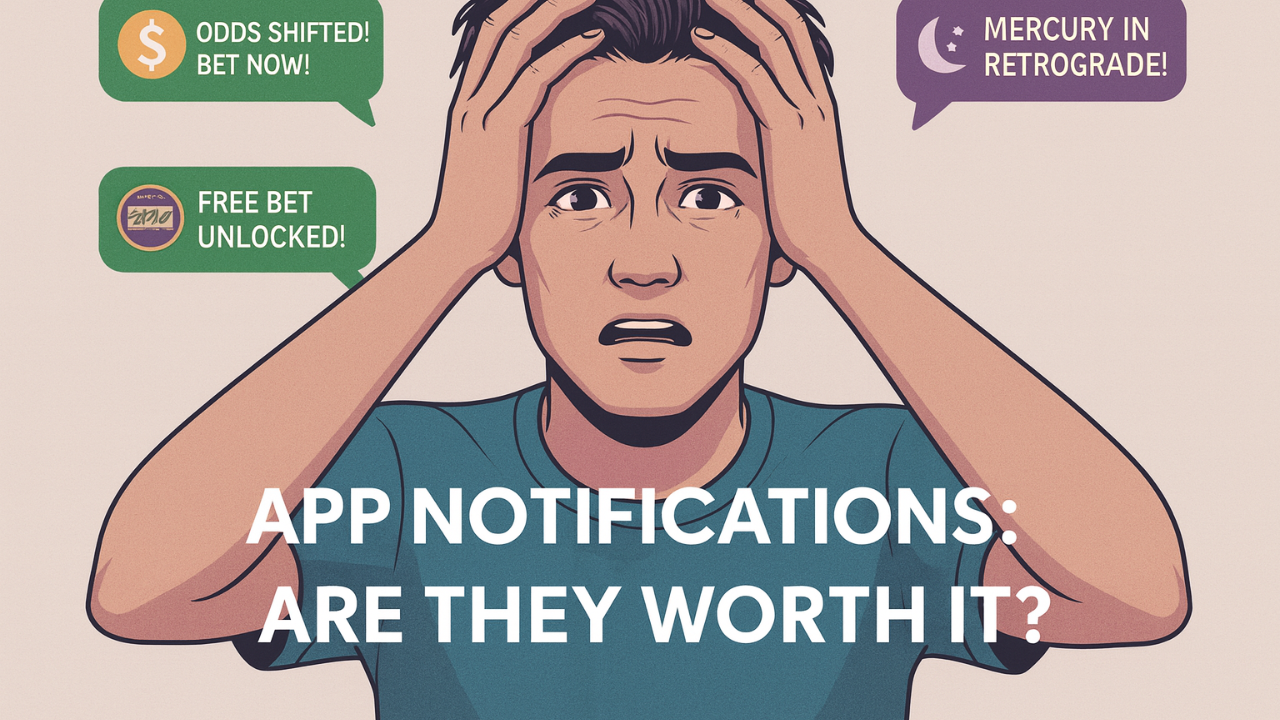
You’ve seen them (assuming you have not been living under a rock). The relentless Astrotalk ads featuring celebrities promising to solve your life problems through astrology. The constant RummyCircle notifications urging you to “play one game” with increasingly desperate push alerts. Dream11 commercials interrupt every YouTube video during cricket season. These apps don’t just advertise. They assault.
And it’s working spectacularly.
Astrotalk’s advertising spend surged 116% to ₹162.68 crore in FY24. The company generates over ₹600 crore in annual recurring revenue. RummyCircle’s parent company, Games24x7, has built a profitable business spending hundreds of crores annually on what most people consider intrusive, repetitive and frankly annoying advertising.
The answer reveals uncomfortable truths about attention economics, behavioural psychology and the mathematics of high-intent consumer acquisition that don’t fit neatly into brand-building manifestos or creative award submissions.
Table of Contents:
- The Scale of Aggressive App Marketing
- The Psychology Behind Persistent Advertising
- The Data-Driven Machine Powering “Annoying” Ads
- The Celebrity Saturation Strategy
- When Annoying Advertising Makes Sense (And When It Doesn’t)
- What This Means for Your Marketing Strategy
- Concluding Thoughts
- Frequently Asked Questions
The Scale of Aggressive App Marketing
Before dismissing these tactics as desperate or unsophisticated, consider the scale. This isn’t small-budget experimentation. It’s systematic, data-driven aggression backed by hundreds of crores and validated by profitable growth.
The Investment Reality
Leading astrology platforms invest ₹150-200 crore annually in advertising, accounting for roughly 20% of revenue. Leading Online gaming and betting platforms spend over ₹2,900 crore on digital advertising alone. These aren’t struggling startups burning investor money. These are businesses that have cracked profitable unit economics, justifying sustained aggressive spending.
The Multi-Platform Assault
These apps dominate across channels simultaneously. You encounter their ads on YouTube pre-rolls, Instagram stories, Facebook feeds, Google search results and display networks. Push notifications arrive at strategic times. SMS campaigns target lapsed users. Email sequences nurture leads. Celebrity endorsements saturate traditional media.
The omnipresence isn’t accidental. It’s a deliberate strategy designed to achieve what marketers call “share of mind.” When someone experiences the specific problem these apps solve, brand recall needs to be instantaneous.
The Common Thread
Apps using aggressive advertising tactics share characteristics: they solve immediate, emotion-driven needs (uncertainty, boredom, desire for quick money), they have high customer lifetime value justifying expensive acquisition, they face intense competition requiring visibility to capture market share and their products have addictive or habit-forming qualities increasing usage frequency.
This isn’t ignorance of best practices. It’s conscious decision-making based on unit economics that most consumer brands don’t face.
The Psychology Behind Persistent Advertising
Annoying ads work because they use proven psychology that most brand marketers ignore while chasing creative beauty.
The Mere Exposure Effect
Psychological research demonstrates that repeated exposure to stimuli, or the Mere Exposure Effect, increases liking, even when people consciously find the stimulus irritating. The fifth time you see an app ad, your brain processes it faster. By the tenth exposure, you remember the brand name effortlessly. By the twentieth, you might actually consider downloading during a moment of need.
This doesn’t mean you consciously like the ads. It means your brain has encoded the brand association so deeply that when you face the specific problem the app solves, recall is instantaneous.
The Availability Heuristic
Your brain remembers brands it sees most. When you think “I want to play rummy” or “I’m curious about astrology,” the first app name that pops into your head is the one you’ve seen in ads constantly. That’s the availability heuristic; familiar brands feel like the safest choice
Breaking Through Cognitive Filtering
India’s digital advertising landscape is saturated. The average smartphone user encounters hundreds of ads daily across apps, websites and platforms. Subtle, tasteful brand building gets filtered out automatically and aggressive, repetitive advertising forces awareness even amongst people actively trying to ignore ads.
The Selective Tolerance of High-Intent Users
Here’s the critical insight: people annoyed by these ads were never the target audience. Someone with zero interest in astrology finds astrology app ads irritating regardless of creative execution. But someone curious about astrology tolerates the repetition because the product genuinely interests them.
High-intent users actively seek solutions. They don’t mind seeing multiple ads for products addressing their needs. The person researching “online rummy” doesn’t find gaming app ads intrusive; they find them relevant.
Timing the Emotional Vulnerability
These apps advertise most aggressively when users are emotionally vulnerable or seeking distraction. Late-night push notifications target insomnia and anxiety. Pre-weekend campaign surges catch people seeking weekend entertainment.
Festival-season saturation captures increased spending intent. This strategic timing ensures ads reach users precisely when they’re most receptive.
The Data-Driven Machine Powering “Annoying” Ads
What appears as scattershot advertising is actually sophisticated targeting and measurement. These companies know precisely what they’re doing and why it works.
Ruthless A/B Testing at Scale
Leading apps test 50-100+ ad variations monthly, killing underperformers within days and scaling winners aggressively. This rapid iteration cycle means what appears as “annoying repetition” is actually highly optimised messaging that converts better than alternatives tested against it.
The ads you see survived brutal performance-based culling. They’re not annoying despite working; they work because they’re persistent enough to drive conversions whilst being attention-grabbing enough to break through cognitive filtering.
Sophisticated Audience Segmentation
These platforms segment audiences meticulously using demographic targeting (age, gender, income, education), psychographic profiling (interests, behaviours, values), geographic concentration (states with legal/cultural acceptance), device and platform preferences and lookalike audiences modelled on high-LTV customers.
Targeting precision means ads reach people statistically likely to convert, not random audiences. Working with a social media marketing agency that understands platform-specific targeting capabilities ensures ads reach high-intent audiences rather than wasting spend on broad, low-conversion targeting.
Conversion Tracking and Attribution
These companies track every conversion meticulously. They know which ad led to download, which creative drove the first transaction, which messaging generated the highest lifetime value customers, which time-of-day targeting performs best and which retargeting windows maximise conversion whilst minimising wasted impressions.
This granular attribution allows doubling down on what works whilst cutting what doesn’t. The willingness to be “annoying” comes from confidence that data validates the approach. If repetitive ads didn’t convert profitably, they’d change tactics immediately.
The Retargeting Intensity
Users who download but don’t transact receive aggressive retargeting. Users who transact once but don’t return get re-engagement campaigns. Lapsed users get win-back offers. This multi-stage funnel optimisation squeezes maximum value from every acquisition dollar invested.
The Addiction Economics
Apps in categories with habit-forming or addictive qualities benefit from usage frequency that dramatically improves unit economics. A user checking their horoscope daily, playing games multiple times weekly or placing regular bets generates far more lifetime value than occasional users. Aggressive advertising targeting high-frequency users makes economic sense.
The Celebrity Saturation Strategy
Celebrity endorsements amplify aggressive advertising effectiveness through multiple mechanisms.
Trust Transfer and Legitimacy
Celebrity partnerships address the trust barrier these categories face. Astrology might seem superstitious. Online gaming might feel legally questionable. Celebrity association signals legitimacy. If a respected actor endorses the platform, it feels safer to try.
Multiplying Brand Touchpoints
Celebrities appear in TV commercials, digital ads, social media posts and PR coverage. This multiplies brand touchpoints without proportional cost increases. A single celebrity partnership generates content across dozens of placements, amplifying omnipresence.
Saturation Creates Inevitability
When 30-40+ celebrities endorse apps in a category, the brands feel inevitable and dominant. This perception becomes self-fulfilling as users gravitate toward platforms perceived as market leaders.
The celebrity saturation strategy works because it creates a perception of ubiquity and legitimacy simultaneously, addressing both awareness and trust barriers in categories facing scepticism.
When Annoying Advertising Makes Sense (And When It Doesn’t)
These strategies work for specific business models. That doesn’t mean every business should adopt similar tactics.
When Aggressive Advertising Works
- High customer lifetime value: If customers generate 3–5x+ their acquisition cost over their lifetime, aggressive spending on awareness makes economic sense.
- Clear intent signals: Products solving specific, searchable problems benefit from high-frequency advertising targeting those intent signals.
- Short conversion cycles: When users download and convert within days or weeks, aggressive advertising with rapid payback works. Slow-burn brand building doesn’t suit these dynamics.
- High-frequency usage: Apps with daily or weekly usage benefit from constant reminders. Push notifications and retargeting ads genuinely drive engagement rather than just annoyance.
- Competitive intensity: In crowded categories where competitors also advertise aggressively, matching their presence becomes necessary to maintain market share.
- Emotional or impulse-driven decisions: Products purchased during emotional states or boredom benefit from being top-of-mind when those states occur.
When Aggressive Advertising Backfires
- Low LTV products: If customer lifetime value barely exceeds acquisition cost, aggressive spending on awareness wastes money. Focus on efficient conversion of existing awareness instead.
- Brand-sensitive categories: Luxury goods, professional services and premium products benefit from subtlety. Aggressive advertising can damage brand perception permanently.
- Long consideration cycles: B2B products, enterprise software and major purchases require extended consideration. Aggressive advertising during early awareness stages alienates prospects who aren’t ready to convert.
- Brand equity concerns: Companies building long-term brand value should consider that aggressive tactics might drive short-term conversions while damaging brand perception among future customers.
- Negative externalities: Some aggressive advertising creates backlash that damages the category. If your aggressive ads make people hate your entire product category, short-term gains aren’t worth long-term damage.
- Privacy and ethical concerns: Categories facing regulatory scrutiny (gambling, lending, health) should weigh aggressive advertising’s reputational risks against acquisition benefits.
What This Means for Your Marketing Strategy
For businesses evaluating whether aggressive advertising tactics make sense, several decision frameworks help:
1. Understand Your Category Dynamics
Highly competitive categories with established aggressive advertisers require matching intensity to remain visible. Blue ocean categories benefit more from efficient pioneer positioning.
2. Consider Your Brand Aspirations
Brands pursuing premium positioning or long-term equity should weigh short-term acquisition gains against potential brand damage. Transactional businesses can optimise purely for conversion efficiency.
3. Audit Your Attribution Capabilities
Aggressive advertising only works if you can measure what’s working and kill what isn’t. Without sophisticated attribution and a rapid testing infrastructure, aggressive spending becomes wasteful.
4. Evaluate Regulatory and Ethical Risks
Categories facing potential regulation or ethical scrutiny should weigh aggressive advertising’s visibility risks. Being the loudest advertiser also makes you the biggest target for regulatory action or consumer backlash.
Concluding Thoughts
Annoying ads work because they target high-intent users while accepting that others will be irritated. Someone seeking astrology won’t mind frequent ads; someone uninterested finds them spam. This isn’t sophisticated companies being careless; it’s a calculated strategy backed by data. When customer lifetime value far exceeds acquisition costs and conversions happen quickly, aggressive advertising becomes economical.
However, this approach doesn’t suit every business. An experienced digital marketing agency will evaluate your specific model: Do you have high customer lifetime value? Short conversion cycles? Clear purchase intent signals? For apps and high-LTV products, annoying advertising often drives profitable growth. For luxury brands, B2B services, or long-consideration purchases, subtle brand building works better.
The real question isn’t whether annoying advertising works. Data proves it does. The question is whether your business model supports it.
FAQs

The founder and partner of Flora Fountain, Shefali leads the Content and Technology divisions. A one-time engineer who started her career writing front-end code, she took a detour sometime during her 9 years in New York, studied journalism and started writing prose, poetry and sometimes jokes. She now has 15...