



Think about the last time you bought coffee. Were you truly choosing based on which coffee beans were objectively superior? Or were you drawn to a brand that made you feel a certain way about your purchase?
If you’re being honest, it was probably the latter. And that’s not a failing on your part. That’s branding at work.
In today’s marketplace, almost every category is crowded. There are dozens of smartphone brands, hundreds of coffee options and thousands of software solutions for any given business problem. The products themselves often have comparable features, similar quality and nearly identical pricing. So how do some brands thrive while others struggle to be noticed?
The answer lies in something that goes beyond product specifications and pricing strategies. It lies in branding. Strong branding doesn’t just help you compete in crowded markets; it fundamentally changes the nature of the competition itself. Instead of fighting on features and price alone, strong brands compete on meaning, identity and emotional connection. And these battlegrounds favour those who invest in building genuine brand equity.
Let us walk through why this matters and how it works in practice.
Table of Contents:
- What Makes a Market “Crowded” and Why It Matters
- How Strong Branding Changes the Rules of Competition
- Famous Examples of Strong Brands
- Common Branding Mistakes to Avoid
- What Small and Growing Businesses Can Learn
- Steps to build your Brand in a Crowded Market
- Concluding Thoughts
- FAQs
What Makes a Market “Crowded” and Why It Matters
Before we explore how branding helps, let’s understand what we mean by a crowded market. Is it simply about having many competitors? Not really. See, a crowded market is one where customers face overwhelming choice without clear differentiation. When every option seems similar, decisions become exhausting. Customers either default to the cheapest option or stick with familiar brands to avoid decision fatigue. Neither scenario favours new entrants or smaller players trying to gain ground.
Take the smartphone market, for example. There are dozens of manufacturers producing phones with comparable cameras, processing power and features. For most customers, the technical specifications blur together. Apple doesn’t have objectively superior technology in every aspect. Samsung phones often match or exceed Apple’s specs. Yet Apple commands premium prices and loyal customers who queue for new releases.
Or think about athletic shoes. The basic function is the same across brands: protect your feet while exercising. Nike doesn’t make fundamentally different shoes than Adidas, Reebok or dozens of other manufacturers. The materials, construction methods and even manufacturing locations overlap significantly, yet Air Jordans command premium prices and consistently sell out within hours of release.
This is where the crowded market challenge becomes clear. When products are functionally similar, something else must differentiate them in customers’ minds. That something is strong branding.
How Strong Branding Changes the Rules of Competition
Strong branding transforms competitive dynamics in five fundamental ways:
Source: Faster Capital
1. Creates Preference Beyond Product Attributes
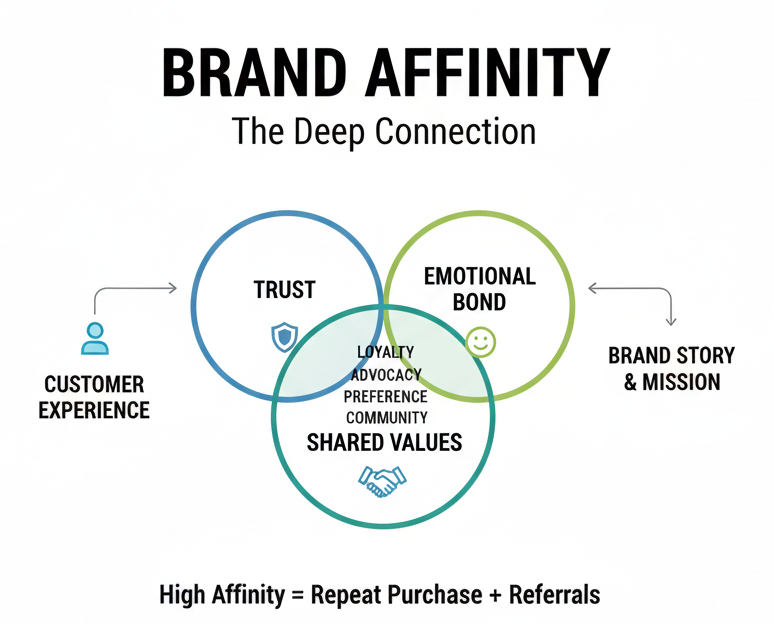
When customers have genuine brand affinity, they choose your offering even when competitors have similar or slightly superior specifications. This preference isn’t irrational; it’s based on trust, familiarity, and the meaning customers attach to your brand.
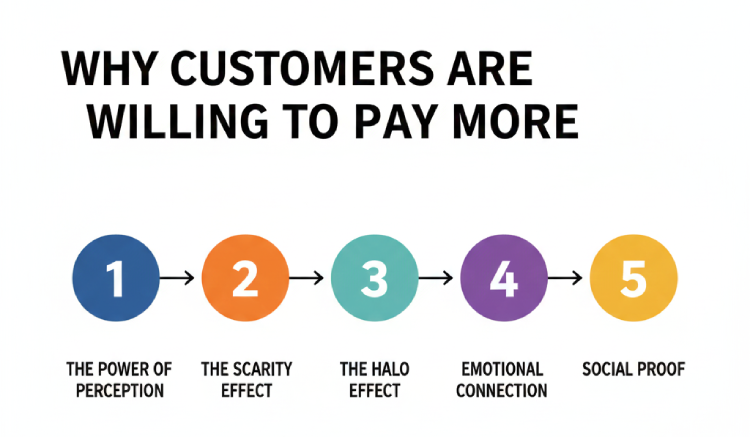
2. Commands Premium Pricing
Customers willingly pay more for brands they trust and admire. This isn’t about tricking customers or artificial scarcity. Apple charges more for iPhones not because customers don’t understand value, but because the brand delivers perceived value that extends beyond the physical product.
3. Reduces Customer Acquisition Costs Over Time
When your brand is well-known and positively perceived, customers come to you rather than requiring expensive advertising to find you. Word-of-mouth recommendations increase, organic search traffic grows, and your brand itself becomes a marketing asset that works continuously.
4. Builds Customer Loyalty That Survives Challenges
Every business makes errors or faces challenges. Strong brands have goodwill reserves that help weather these storms. Customers give brands they love the benefit of the doubt, remaining loyal through price increases, temporary product shortages, or occasional service failures because the relationship transcends individual transactions.
5. Attracts Better Talent and Partnership Opportunities
People want to work for and collaborate with brands they admire. This creates a virtuous cycle where brand strength brings talent that enhances products and services, which further strengthens the brand.
These mechanisms work for real brands facing genuine competitive pressure, as we’ll see in the examples that follow.
Famous Examples of Strong Brands
When you look at how iconic brands win in crowded markets, three names consistently stand out: Apple, Nike and Amul. Each dominates its category not solely because of superior products but because of relentless, strategic brand building.

Apple, competing against Android manufacturers with similar specs, changed the way customers relate to technology by focusing on identity and emotion rather than specifications. The “Think Different” positioning reframed Apple as a symbol of creativity and personal expression. Their consistency in design and experience created a perception of premium value that competitors still struggle to match.

Nike, competing against Adidas, Puma, and countless athletic wear brands, built a global empire by selling emotion instead of footwear. “Just Do It” connected with anyone striving to overcome barriers, turning the brand into a mindset rather than a retail product. The emotional resonance of their storytelling gives Nike pricing power and deep loyalty across diverse audiences.

Source – International Butter Club
Amul, competing in India’s crowded dairy market with hundreds of regional players, built cultural relevance through decades of consistent, topical communication. The Amul girl became a part of Indian life, not just advertising. Their recognisable visual style and witty commentary built trust and familiarity in a category with many similar offerings.
These three brands, spanning global tech, aspirational sportswear, and trusted Indian consumer goods, prove the same truth: strong branding creates meaning that outlives product features. It builds emotional preference, pricing power and long-term loyalty in markets where competitors often look identical.
Common Branding Mistakes to Avoid
Even good businesses weaken their position by getting the basics wrong. Here are the most damaging mistakes:
1. Trying to appeal to everyone: When your audience is “everyone,” your message resonates with no one. Strong brands choose who they serve clearly.
2. Inconsistency across touchpoints: Different colours, tones, messages and experiences confuse customers and dilute brand memory.
3. Talking only about features, not meaning: People buy identity, emotion and trust. Brands that communicate only features get lost in comparison charts.
4. Copying competitors: If your branding looks like everyone else’s, customers treat you as interchangeable.
5. Over-focusing on short-term promotions: Discounts bring traffic, not loyalty. When promotions become the brand, customers wait for offers instead of valuing you.
6. Making promises you don’t deliver: A brand fails fastest when the experience does not match the story. Consistency builds trust while inconsistency destroys it.
What Small and Growing Businesses Can Learn
You might be thinking: “Apple, Nike and Amul are massive companies with huge budgets. What relevance does this have for my business competing in local markets?” That’s a fair question. The principles apply at any scale.
First, understand that strong branding isn’t primarily about budget size. It’s about consistency, authenticity and clearly defined positioning. Apple wasn’t a global giant when it launched “Think Different.” They were a struggling company making a strategic choice about brand positioning. Amul built its brand through consistent, clever outdoor advertising, not expensive TV campaigns or celebrity endorsements.

Second, crowded markets exist at every scale. Whether you’re competing with three other restaurants in your neighbourhood or competing nationally with dozens of brands, the dynamics are similar. Customers face choices and need reasons to choose you beyond features and price. Strong branding provides those reasons regardless of market size.
Third, the benefits of strong branding are proportionally more valuable for smaller businesses. Large companies can absorb higher customer acquisition costs and weather competitive pressure through scale advantages. Smaller businesses need every competitive edge they can develop. Strong branding that reduces acquisition costs, enables premium pricing and builds loyalty delivers returns that can transform business viability.
Consider two restaurants opening in Ahmedabad serving similar cuisine at comparable prices.
Restaurant A invests in building a distinct brand: a memorable name, consistent visual identity, a clear point of view about food and dining, an active social media presence sharing their story and values, and careful attention to creating consistent experiences.
Restaurant B focuses only on food quality without investing in brand building. Initially, both might attract similar customer numbers through location and basic quality.
Over time, Restaurant A’s brand investment compounds. Customers remember the name and recommend it specifically. Social media content attracts new customers organically. The distinct brand makes customers willing to wait for tables rather than choosing a similar restaurant next door. The brand becomes an asset that works continuously.
Restaurant B might have equally good food, but without strong branding, they remain interchangeable with dozens of other options. They require constant promotional spending, struggle to command premium prices, and see high customer churn as people try them once but don’t develop loyalty.
This dynamic plays out across categories and business sizes. Working with a branding agency in Ahmedabad that understands brand building helps smaller businesses develop the strategic clarity and consistent execution that builds brand strength over time.
Steps to build your Brand in a Crowded Market
- Get painfully clear about who you serve
- Craft an identity that behaves like a consistent character
- Tell one story across every touchpoint
- Deliver exactly what you promise
- Commit to the long game
A brand without clarity is just noise with a logo. Know exactly who your ideal customer is and why they should care. If your positioning can fit any business, it fits none.
Choose colours, fonts and a tone that feels yours uniquely. Stick to them everywhere. When your brand changes personality across platforms, customers quietly drift to someone who feels more reliable.
Your website, social content, storefront, emails and even your phone greetings should sound like they come from the same universe. This is where many businesses wobble.
Branding is not theatre. If you promise premium, the experience must feel premium. If you promise to be friendly, your team must behave friendly manner. Customers forget great ads but never forget moments when the promise and experience fail to match.
Strong brands do not appear overnight. They grow through repetition, recognition and reliability. Keep showing up. Keep sounding like yourself. In markets crowded with louder voices, the brand that stays true eventually becomes the one people trust.
All this might seem overwhelming, but this is what it takes to build a brand that actually makes you stand out from the competition. But don’t worry, there will always be a professional digital marketing agency in Ahmedabad that is eager to collaborate with a brand to solve the problems you currently face.
Concluding Thoughts
Strong branding lets you compete on meaning, identity and relationship rather than specifications and price. It creates preference that survives competitive pressure and builds loyalty that reduces customer acquisition costs over time. It transforms your business from a commodity competing for attention into a brand customers actively choose and recommend.
Start today. Get clear on your positioning. Develop consistent visual and verbal identity. Communicate your brand across every customer touchpoint. Deliver on your promises religiously. Be patient as brand equity compounds. These steps won’t transform your competitive position overnight. But they’ll put you on a path where competition becomes easier, margins improve and customer relationships strengthen naturally over time.
If you’re ready to build a brand that stands out in your market, consider partnering with a Branding Agency in Ahmedabad that can help you develop and execute a comprehensive brand strategy.
FAQs

Vasim Samadji is a partner at Flora Fountain, where he leads the Business and Marketing Strategy divisions. In a world where everyone is used to sugarcoating, his directness is often considered rude. But that shouldn't be a problem if you like the no-nonsense approach. Because he is a seasoned professional...