


How often do you see founders becoming celebrities overnight? Not influencers. Not actors.
FOUNDERS. Before Shark Tank India, startups were a niche conversation. Limited to LinkedIn posts, funding news and business circles.
Then suddenly, everything changed.
People started discussing valuations at dinner tables. Terms like equity, burn rate and funding rounds became part of everyday conversations. And more importantly, small brands that no one had heard of started getting national attention overnight.
That’s what Shark Tank India did.
It reintroduced startups to India. At its core, the show is simple. Founders pitch their businesses to a panel of investors, the “sharks”, in exchange for funding and mentorship. But what plays out on screen is far more than just a funding conversation. Because the moment an episode airs, something else kicks in.
Searches spike. Website traffic jumps. Orders increase. Sometimes within minutes. And that raises an important question. Is Shark Tank India really about investment? Or is it one of the most powerful marketing platforms a brand can get today? As a leading digital marketing agency, we have tried to break it down.
Table of Contents
- Shark Tank India vs Global Versions: What’s Different?
- Is It an Investment Show or a Marketing Platform?
- The Reality of Deals: What Happens After the Handshake?
- Success Stories: Brands That Actually Scaled
- The Other Side: Startups That Didn’t Make It
- Success Ratio: How Many Actually Win?
- The Real Value: Funding vs Visibility
- What Should Brands Learn From Shark Tank India?
- Conclusion
- Frequently Asked Questions
Shark Tank India vs Global Versions: What’s Different?
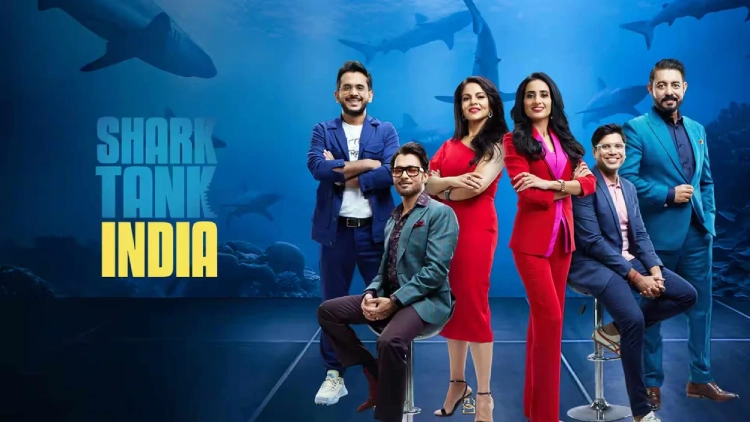
At first glance, Shark Tank India looks like any other version of the global format. Founders pitch, investors negotiate, deals happen. But once you look closely, the differences are hard to miss.
Take the original, Shark Tank in the US. The focus there is sharp and numbers-driven. Conversations revolve around margins, scalability and market size. The storytelling is minimal, the business is everything.
In India, the equation shifts. Here, the story is just as important as the numbers. Sometimes, even more. Founders talk about their journey, struggles, family background and emotional moments. And the audience connects with that instantly. From a digital marketing agency perspective, this changes everything. Because now, the pitch is not just for investors.
It is for millions of viewers watching at home. This is where Shark Tank India behaves very differently from its global counterparts. It operates at the intersection of business and content.
The show is designed not just to evaluate startups, but to make them relatable, memorable and shareable. Every pitch becomes a piece of content that can travel across platforms. For a social media marketing agency, this is a goldmine.
Clips go viral. Founder stories get shared. Memes are created. Conversations continue long after the episode ends. In the US, you pitch to get funded. In India, you pitch to be remembered. And that single shift is what turns Shark Tank India from just a reality show into something much bigger.
Is It an Investment Show or a Marketing Platform?
At face value, Shark Tank India is about funding. Founders pitch. Sharks invest. Deals are made. But if you look at what actually happens after the episode airs, a different story begins.
The moment a brand appears on Shark Tank India, visibility shoots up. Searches increase.
Social media pages gain followers. Website traffic spikes. And in many cases, products sell out within hours. This is where things get interesting.
Because this kind of impact is something brands usually spend months trying to achieve with the help of a digital marketing agency.
Here, it happens overnight.
And not because of a campaign. But because of attention. Even brands that don’t get a deal often benefit. They walk away without funding, but with something just as valuable.
Awareness.
People watching are already curious, already engaged and already evaluating the product. That is a level of attention most ads struggle to achieve.
Which is why many founders openly say this. The real win is not the cheque. It is the exposure.
So the question is no longer whether Shark Tank India is an investment platform. It clearly is. But it is also something else. One of the most powerful marketing platforms a brand can access in India today.
The Reality of Deals: What Happens After the Handshake?

On screen, a deal looks final. A handshake, a number and a moment that feels decisive.
But in reality, that is only the starting point. After Shark Tank India episodes air, every deal goes through detailed due diligence. Financials are verified, claims are reviewed, and terms are often revisited. This is where the gap between television and reality becomes clear.
Not every deal you see actually closes. In some cases, founders step back. In others, investors reassess. Sometimes the numbers simply don’t hold up under deeper scrutiny. So what appears as a confirmed deal on screen is often closer to an intent than a final agreement. And that changes how you look at the show entirely. While funding remains uncertain, visibility does not. Every brand that appears gets attention, whether the deal goes through or not.
This is also why many founders approach the show differently. Because once the episode goes live, the real opportunity begins. A sudden spike in attention, a surge in curiosity, and a very small window to convert that into actual growth. And if that moment is not handled well, it disappears just as quickly as it arrives. So while the handshake makes for great television, the real outcome is decided after the cameras stop rolling.
Success Stories: Brands That Actually Scaled
Not every startup that appears on Shark Tank India becomes a success story. But some clearly used the platform well. What stands out is this. The growth didn’t come just from funding. It came from visibility, timing and being ready to scale when attention peaked.
Here are some of the most talked-about brands that saw strong traction after the show:
| Brand | Industry | Investment | Shark(s) |
|---|---|---|---|
| Skippi Ice Pops | FMCG (Food) | ₹1 Cr for 15% | All Sharks |
| Hammer Lifestyle | Electronics | ₹1 Cr for 40% | Ashneer Grover |
| BluePine Foods | FMCG (Frozen Food) | ₹50 Lakhs for 5% | Aman Gupta, Namita Thapar |
| CosIQ | Skincare | ₹50 Lakhs for 25% | Anupam Mittal |
| Jugaadu Kamlesh | Agriculture | ₹10 Lakhs + support | All Sharks |
| Heart Up My Sleeves | Fashion | ₹25 Lakhs for 30% | Anupam Mittal |
| Beyond Snack | FMCG (Kerala Chips) | ₹50 Lakhs for 2.5% | Aman Gupta, Ashneer Grover |
| AAS Vidyalaya | EdTech | ₹50 Lakhs for 15% | Peyush Bansal |
| Annie | Skincare | ₹30 Lakhs for 10% | Namita Thapar |
| Menstrupedia | Health/Education | ₹50 Lakhs for 10% | Namita Thapar |
What’s common across many of these brands is not just the investment. It’s what they did after.
Some improved distribution. Some strengthened their branding. Some simply capitalised on the sudden surge in demand. And that is where the difference lies. Because appearing on Shark Tank India gives you attention. But scaling after that depends entirely on execution.
The Other Side: Startups That Didn’t Make It
For every success story on Shark Tank India, there are brands that struggled to sustain momentum. Which brings us back to a simple reality.
Shark Tank India can open the door.
But it cannot build the business for you.
A lot of startups underestimate what happens after the attention spike. What looks like overnight success actually demands strong backend execution.
Here’s where most brands struggle:
- Inventory planning → sudden demand leads to stock-outs or delays
- Customer experience → inability to handle order volume or support
- Retention → one-time buyers don’t come back
- Positioning → initial curiosity fades without clear differentiation
Take brands like Sippline, which gained massive viral attention but couldn’t sustain long-term demand.
Or Meatyour, which secured a deal but faced challenges scaling in a niche category.
You can also look at pitches like Nuutjob, which went viral for its quirky concept, but the conversation didn’t fully translate into long-term brand growth.
And if that foundation is not strong, the early momentum fades quickly. This is where hype and sustainability separate.
The show can give you:
- Massive reach
- Instant credibility
- High-intent audience attention
But it cannot give you:
- Product-market fit
- Operational strength
- Long-term brand recall
That part is still earned. Because in the end, visibility gets you noticed. Execution is what keeps you relevant.
Success Ratio: How Many Actually Win?
On the surface, Shark Tank India looks like a win-heavy format. Pitches happen. Deals are announced. Founders walk out with funding. But the actual numbers tell a more nuanced story.
Across seasons, a significant number of pitches do receive offers on screen. However, once you factor in due diligence and post-show negotiations, the number of deals that actually close is much lower.
In reality, less than half of the on-screen deals are fully executed.
Which means two things:
First, getting a deal on the show is already competitive.
Second, converting that deal into actual funding is even more selective.
And then comes the bigger question. Out of the startups that do get funded, how many truly scale? There is no fixed percentage, but the pattern is clear. Some brands see strong, sustained growth. Some experience short-term spikes. Many fade out over time. This is not a flaw in the show. It is the nature of startups.
From a broader lens, Shark Tank India is not designed to guarantee success. It is designed to create opportunity. And that’s an important distinction. Because if you look at it purely as a funding platform, the success ratio may seem uncertain. But if you look at it as a visibility itplatform, the equation changes completely. Almost every brand gets attention. Only a few convert it into long-term success. And that difference is where the real story lies.
The Real Value: Funding vs Visibility
At its core, Shark Tank India promises two things.
Funding and growth.
But if you look closely, the weight of these two is not equal. Funding is limited. Visibility is guaranteed. Only a fraction of startups walk away with an investment that actually closes. But every single brand that appears on the show gets national exposure. And in today’s market, that kind of attention is incredibly hard to buy. Think about it. Brands spend months working with a digital marketing agency, running campaigns, optimising performance, and trying to break through the noise.
Here, one appearance can achieve what multiple campaigns aim for. The difference is intent. People watching Shark Tank India are not passively scrolling. They are actively engaged. They are evaluating the product, discussing it, searching for it. That is high-quality attention. This is also why many founders treat the show as a launchpad rather than just a funding opportunity.
If the product is strong and the backend is ready, this attention can convert into real growth. If not, it fades just as quickly. From a social media marketing agency perspective, this is a rare moment where content, curiosity, and conversion come together in real time.
So while the cheque matters, the real value of Shark Tank India lies in what happens after the episode airs.
What Should Brands Learn From Shark Tank India?
If there’s one thing Shark Tank India makes clear, it’s this. Attention is powerful. But only if you’re ready for it.
1. Visibility is an Opportunity, Not a Guarantee
Getting noticed is easier than ever. Sustaining that attention is the real challenge.
Many brands get a spike after appearing on the show, but only a few manage to convert that into long-term growth.
2. Be Ready Before the Spotlight Hits
The brands that benefit the most are the ones that are prepared.
Strong product, smooth operations, and the ability to handle sudden demand make all the difference when attention peaks.
3. Storytelling Still Wins
What makes Shark Tank India work is not just business, it is relatability.
Founders who connect with the audience often create stronger recall than those who only focus on numbers.
4. Marketing is Not Just Paid Campaigns
One appearance on the show can do what months of effort with a digital marketing agency aim to achieve.
But the outcome depends on how well that attention is used.
5. Attention Has a Short Shelf Life
The spike is real, but it is temporary.
If a brand does not act quickly, optimise its presence, and stay relevant, the momentum fades just as fast as it builds.
Shark Tank India does not build businesses. It accelerates them. And what happens next depends entirely on the brand.
Conclusion
Shark Tank India sits at an interesting intersection. It is a funding platform. It is a content machine. And more than anything, it is a visibility engine. For some brands, it becomes a turning point. For others, it is just a moment of attention. The difference is never the platform.
It is what the brand does with it because attention alone does not build a business.
Execution does. And that’s where most brands need clarity.
If you’re looking to turn visibility into actual growth and build strategies that go beyond just campaigns, we’d love to help. Drop us a mail at hello@florafountain.com and let’s start a conversation.
Frequently Asked Questions

Vasim Samadji is a partner at Flora Fountain, where he leads the Business and Marketing Strategy divisions. In a world where everyone is used to sugarcoating, his directness is often considered rude. But that shouldn't be a problem if you like the no-nonsense approach. Because he is a seasoned professional...