


In 2026, the silence can be deafening. It is the silence of users bouncing from your site, the silence of AI algorithms ignoring your content, and the silence of your phone not ringing with new leads. While many brands are still chasing keywords and backlinks, a more insidious threat is undermining their visibility: Poor User Experience (UX).
In 2026, the boundary between “User Experience” (UX) and “SEO” has effectively vanished. Search engines no longer view technical on-page elements and human satisfaction as separate categories. Instead, they treat a seamless user experience as the ultimate signal of content quality and brand authority
As a leading digital marketing agency, we have witnessed a fundamental shift. If your site is frustrating, slow, or confusing, it is not just losing customers: it is silently killing your brand’s search presence.
Table of Contents
- What is User Experience (UX) in the context of On-Page SEO?
- Why is User Experience so critical for brands in 2026?
- What has changed in UX and On-Page SEO in 2026?
- Key Strategies to Revitalise Your User Experience
- Conclusion
- FAQs
What is User Experience (UX) in the context of On-Page SEO?
User Experience (UX) in the context of On-Page SEO refers to the overall journey a visitor takes on your website and how effectively that journey satisfies their needs. It is the measure of how intuitive, accessible, and enjoyable your site is. In 2026, it encompasses everything from how fast your page loads to the clarity of your content and the ease of navigation.
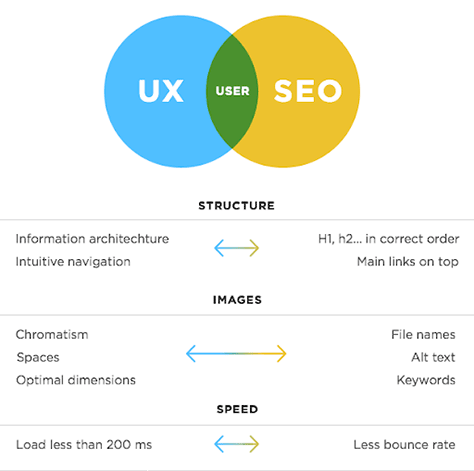
A weak user experience doesn’t just annoy visitors; it impacts revenue. If users can’t easily navigate or find value, your website stops converting. A strong, intuitive UX helps businesses drive engagement, increase conversions, retain customers, and amplify the effectiveness of strategies like search engine optimization
While “On-Page SEO” traditionally focused on keywords and meta tags, modern UX for SEO integrates these technical elements with human psychology. A top SEO company in Ahmedabad understands that a well-optimised page isn’t just readable by bots; it is delightful for humans. Every click, scroll, and interaction either builds or erodes your brand’s authority in the eyes of both users and algorithms.
Why is User Experience so critical for brands in 2026?
In 2026, UX is no longer a luxury; it is a direct ranking factor and a critical component of brand survival. The shift to AI-driven search means that algorithms are now designed to mimic human behaviour, prioritising sites that deliver immediate value and effortless engagement.
- Google’s Algorithm Prioritisation: Core updates now heavily weigh factors like Interaction to Next Paint (INP), Cumulative Layout Shift (CLS), and First Contentful Paint (FCP). These aren’t just technical metrics; they are direct measurements of user frustration or satisfaction.
- Reduced Pogo-Sticking: If users land on your page and immediately bounce back to the search results (pogo-sticking), it signals to Google that your page did not satisfy their intent. This is a severe de-ranking signal.
- Brand Perception: A frustrating website experience erodes trust faster than almost anything else. If your site is slow or hard to use, it casts a shadow on the quality and reliability of your entire brand. In the Attention Economy, impatience is unforgiving.
What has changed in UX and On-Page SEO in 2026?
The rules of engagement have evolved dramatically, demanding a more holistic and predictive approach to UX and On-Page SEO.
View this post on Instagram
- From Metrics to Sentiments: It is no longer just about meeting Core Web Vitals thresholds. Google’s AI can now infer user sentiment. Are users actively engaging or passively scrolling? Are they frustrated, or delighted?
- The Rise of INP (Interaction to Next Paint): This metric now dominates the “responsiveness” conversation. It measures every interaction, not just the first load, demanding a perfectly fluid experience throughout the user journey.
- AI Synthesis & Skimmability: With AI Overviews dominating SERPs, your on-page content must be designed for easy extraction. Modular content blocks, clear subheadings, and direct answers (BLUF: Bottom Line Up Front) are crucial for being cited as a primary source.
- Predictive Personalisation: The next frontier involves AI-driven UX that anticipates user needs before they click. Sites that offer personalised experiences based on past behaviour will be heavily rewarded.
Key Strategies to Revitalise Your User Experience
Bringing your site up to 2026 UX standards requires a blend of technical precision and human-centric design. Here are actionable strategies:
1. Optimise for Speed and Responsiveness (Technical UX)
- Prioritise INP: Audit your JavaScript and third-party scripts. Break up “Long Tasks” that block the main thread and delay interactivity. A fast site is a helpful site.
- Mobile-First Everything: With over 70% of searches now mobile, ensure your site is not just “mobile-friendly,” but genuinely “mobile-first.”
- Image Optimisation: Compress images, use next-gen formats (WebP), and implement lazy loading to reduce initial page weight.
2. Craft Engaging, Answer-First Content (Content UX)
- Modular Content Blocks: Break your content into digestible, scannable sections. Each H2 should answer a specific question.
- “Bottom Line Up Front” (BLUF): Start each section with a direct, concise answer. This satisfies immediate user intent and provides AI with easily extractable snippets.
- Visual Hierarchy: Use clear headings, subheadings, bullet points, and bold text to guide the reader’s eye and highlight key takeaways.
3. Streamline Navigation and Accessibility (Structural UX)
- Intuitive Navigation: Ensure your menu, internal links, and calls-to-action are clear and easy to find. No user should have to “search for the search bar.”
- Accessibility Standards: Implement proper alt-text for images, use descriptive link text, and ensure keyboard navigation. An accessible site is a site for everyone, and Google rewards inclusivity.
- Reduce Clutter: Eliminate pop-ups, intrusive ads, and excessive animations that detract from the user’s primary goal.
4. Leverage AI for User Insights (AI-Powered UX)
- AI-Powered Heatmaps: Use tools that analyse user behaviour to identify areas of frustration or confusion.
- Personalised Experiences: Implement AI to recommend content or products based on a user’s browsing history, creating a more relevant and engaging journey.
- Chatbot Integration: Deploy intelligent chatbots to provide instant answers to common questions, reducing bounce rates and improving satisfaction.
Conclusion
In 2026, poor user experience is not just a nuisance; it is a silent killer of your brand’s online visibility and reputation. Google’s algorithms have evolved to champion user satisfaction, making UX an inseparable component of any successful SEO strategy. By focusing on speed, clarity, engagement, and accessibility, you can transform your website from a digital obstacle course into a valuable asset.
If your brand is struggling to gain traction, it is time to stop chasing algorithms and start delighting users. Partner with an expert digital marketing agency to perform a comprehensive UX audit and build an on-page strategy that prioritises the human element, ensuring your brand thrives in the years to come.
Frequently Asked Questions

The founder and partner of Flora Fountain, Shefali leads the Content and Technology divisions. A one-time engineer who started her career writing front-end code, she took a detour sometime during her 9 years in New York, studied journalism and started writing prose, poetry and sometimes jokes. She now has 15...