

Ahmedabad does not announce itself the way Mumbai or Bengaluru do.
And yet, some of the most recognised brands in India were built right here.
From a chemist selling detergent door to door in the 1960s to a beauty founder taking on established cosmetic giants with a cruelty-free D2C brand, Ahmedabad has a long and quietly impressive history of building brands that last.
This is not a list of the richest companies or the highest-valued startups. It is a list of brands that started in this city, built something genuinely distinctive and earned a place in the national or global conversation. Here is what each of them did and why it mattered.
Table of Contents
- Nirma
- Wagh Bakri
- Havmor
- Rasna
- Adani Group
- Torrent Group
- Zydus Lifesciences
- Arvind Mills
- Vadilal
- Renée Cosmetics
- How Can Flora Fountain Help Ahmedabad-Based Brands
- Conclusion
- FAQs
1. Nirma
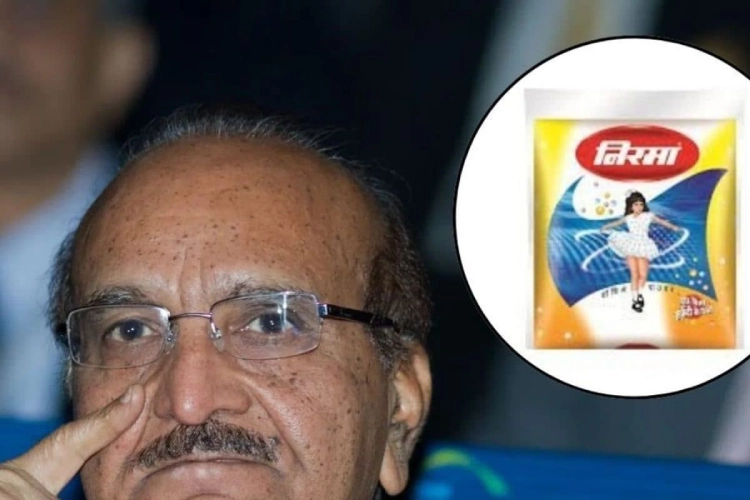
In 1969, Karsanbhai Patel was a chemist working a government job in Ahmedabad. In his spare time, he was making detergent powder at home and selling it door to door at Rs 3.50 per kg, roughly a third of what Surf was charging at the time.
That price point was the strategy. Nirma was not trying to compete on fragrance or packaging. It was competing on access, reaching households that had never been able to afford branded detergent before. The brand grew entirely through word of mouth before the now-legendary jingle took it to television and into every Indian household.
By the 1980s, Nirma had become the largest-selling detergent brand in India, forcing Hindustan Unilever to rethink its entire pricing model and launch Wheel as a direct response. A homemade product from a single room in Ahmedabad had moved a multinational. The Nirma story remains one of the most studied examples of value-based brand positioning in Indian business history.
2. Wagh Bakri
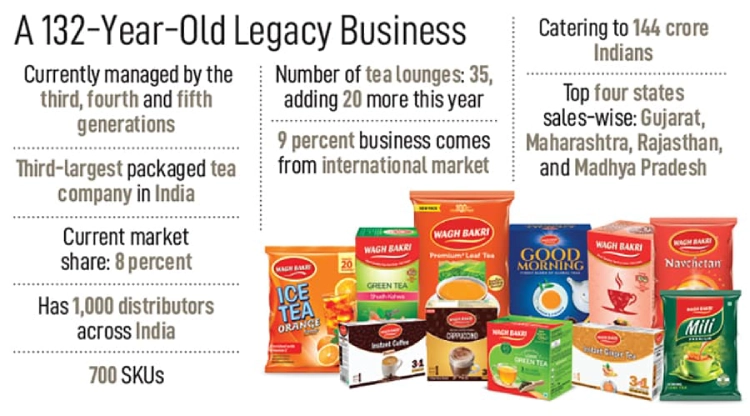
Wagh Bakri’s origins go back to 1892, when Narandas Desai, a devout Gandhian, was running a tea estate in South Africa. Racial discrimination forced him to return to India and he brought his knowledge of tea back to Ahmedabad, where the brand was formally established.
The name itself is a branding decision worth examining. Wagh means tiger and Bakri means goat. The logo shows both animals drinking from the same bowl, symbolising that tea is a great leveller, shared equally by the rich and the poor. In an industry dominated by anglicised names like Lipton and Brooke Bond, the deliberate choice of a Gujarati name was almost contrarian. It worked.
Today, Wagh Bakri is India’s third-largest packaged tea company with a 70 per cent market share in Gujarat and a growing international presence. The brand has held its own against Tata Tea and HUL for over a century by staying true to its regional roots while scaling carefully into new markets.
3. Havmor
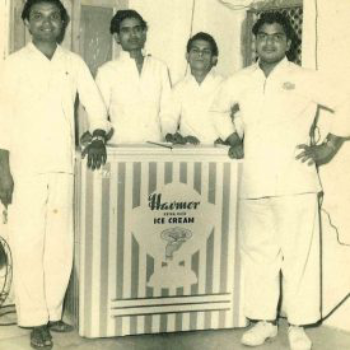
Havmor’s story begins not in Ahmedabad but in Karachi, where Satish Chona started making handmade ice cream in 1944. After Partition, he brought the business to India, eventually settling in Ahmedabad in 1953, where the brand found its footing with the help of industrialist Kasturbhai Lalbhai.
The name Have More was shortened to Havmor in the 1960s and the brand built its reputation almost entirely on one thing: real milk. In an industry where artificial ingredients were standard, Havmor’s commitment to quality became its core brand identity and the reason Ahmedabad grew genuinely attached to it.
That attachment translated into commercial value. In 2017, South Korean giant Lotte Confectionery acquired Havmor for approximately Rs 1,020 crore, one of the more significant FMCG acquisitions in Gujarat’s business history. The brand continues to operate under its original name, which says something about how much the identity was worth preserving.
4. Rasna
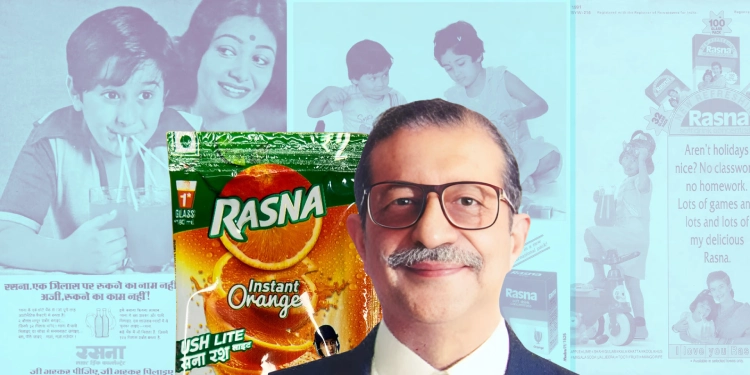
Rasna was launched in 1978 by Areez Khambatta in Ahmedabad at a time when the soft drink market was entirely dominated by carbonated brands. The idea was simple: an affordable fruit-based concentrate that families could make at home. The name itself came from consultations with advertising agency Ogilvy and Mather, chosen because it was short, Indian and easy to remember.
What turned Rasna from a product into a brand was the advertising. The “I love you, Rasna” campaign of the 1980s and 1990s, featuring a little girl looking up at her mother after a glass of the drink, became one of the most recalled ad campaigns in Indian television history. It positioned Rasna not as a cheaper alternative to cola but as a childhood memory. That emotional repositioning was the entire brand strategy.
At its peak, Rasna was present in over 50 countries and held a dominant share of the Indian soft drink concentrate market. The brand is still operating today and is working on diversification and innovation to stay relevant in a considerably more competitive beverage landscape.
5. Adani Group
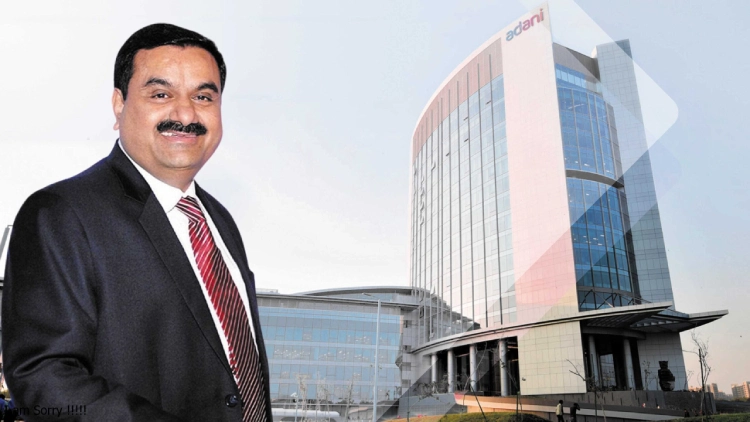
Gautam Adani started in Ahmedabad as a commodity trader in the late 1980s, initially dealing in agricultural exports. The Adani Group was incorporated in 1988 and the business that followed is one of the more dramatic corporate expansions in Indian history.
From that single trading operation, the group grew into ports, power generation, airports, green energy, data centres, media and defence, with Adani Enterprises still headquartered in Ahmedabad. The group today operates the largest private port in India at Mundra in Gujarat and has committed to being the world’s largest renewable energy company by 2030.
The Adani brand is not built on conventional consumer marketing. It is built on infrastructure scale, political navigation and the kind of visibility that comes from being essential to how a country moves energy, goods and people. Whether that is admired or scrutinised depends on who is doing the looking, but the brand’s reach from a single room in Ahmedabad to a global conglomerate is genuinely remarkable.
6. Torrent Group
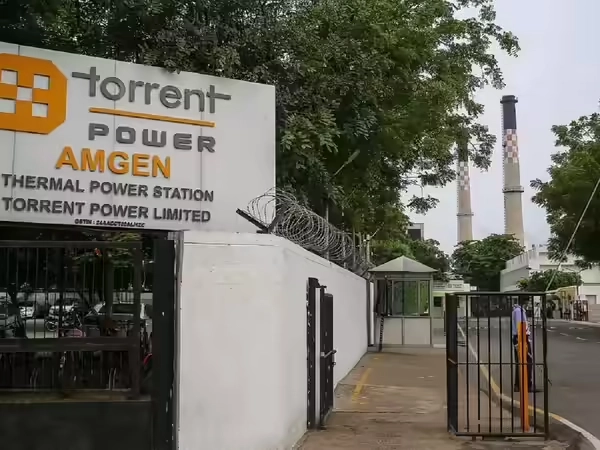
Torrent was founded in Ahmedabad in 1959 by Uttambhai Nathalal Mehta as Trinity Laboratories. It was renamed Torrent Pharmaceuticals and has since grown into a $25 billion conglomerate spanning pharmaceuticals, power and gas under the stewardship of the Mehta family.
Torrent Pharmaceuticals operates in over 40 countries with more than 2,000 product registrations globally. Torrent Power is one of the largest private power distribution companies in India. The group also owns Gujarat Titans, the IPL franchise, which has given the Torrent name its most visible consumer-facing brand moment in years.
What is interesting about the Torrent brand is how quietly it has operated relative to its scale. It is not a household name in the way Nirma or Rasna are, yet it touches the daily lives of millions through the medicines they take and the electricity that powers their homes. That kind of invisible ubiquity is its own form of brand strength.
7. Zydus Lifesciences
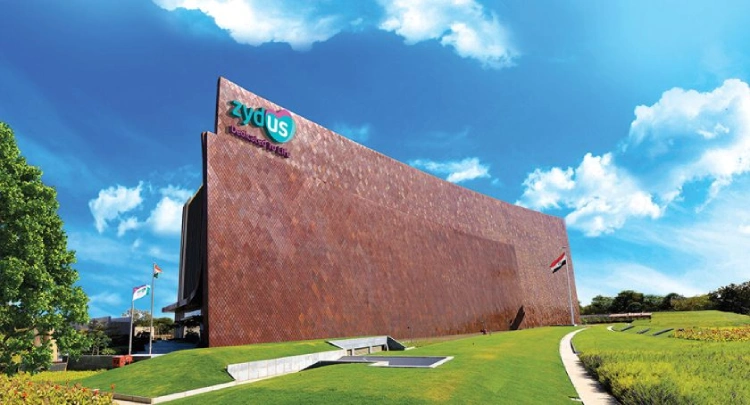
Zydus Lifesciences, formerly known as Cadila Healthcare, was founded in Ahmedabad in 1952 by Ramanbhai Patel. What began as a small domestic pharmaceutical operation has grown into one of India’s largest drug makers with revenue of Rs 23,241 crore and over 25,000 employees.
The company gained significant public attention during the COVID-19 pandemic when it developed ZyCoV-D, the world’s first DNA-based vaccine approved for human use. That single achievement repositioned Zydus in the public mind from a well-regarded pharma company to a genuine contributor to global health infrastructure.
Through its consumer subsidiary Zydus Wellness, the group also owns brands including Glucon-D, Sugar Free, EverYuth and Complan, giving it a surprisingly strong presence in everyday Indian kitchens and bathrooms alongside its pharmaceutical operations. Ahmedabad is home to both its registered office and research headquarters.
8. Arvind Mills
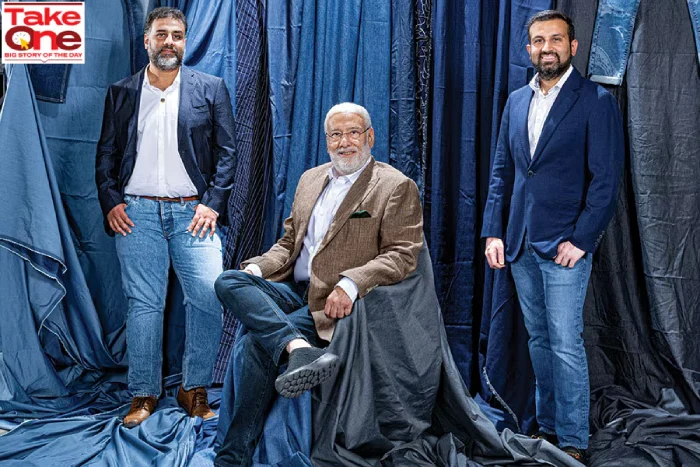
Arvind Mills was founded in Ahmedabad in 1931 by Kasturbhai Lalbhai and is one of the oldest industrial enterprises in the city. For decades, it was primarily known as a textile manufacturer, but the decision that truly defined the brand came in the 1980s when Arvind made a bet on denim.
The company invested heavily in denim manufacturing at a time when it was an almost entirely imported fabric in India and went on to become one of the three largest denim manufacturers in the world. That positioning gave Arvind the platform to bring international fashion brands including Arrow, Lee and Wrangler into the Indian market through licensed partnerships.
Today the company, now called Arvind Limited, operates across denim, advanced materials, retail and real estate with revenue of approximately Rs 8,329 crore. The Lalbhai family’s century-long stewardship of the brand through textile booms and retail disruption is one of Ahmedabad’s longer business stories.
9. Vadilal
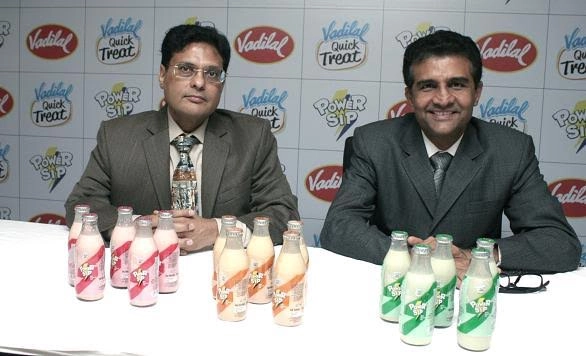
Vadilal’s origins go back to 1907 when Vadilal Gandhi opened a small soda fountain in Ahmedabad. The ice cream business followed and across four generations the family built it into one of India’s largest ice cream companies with over 500 flavours and distribution across more than 25 countries.
The brand’s strength has always been regional loyalty first. Vadilal is genuinely beloved in Gujarat in a way that nationally advertised brands often are not, because it grew up alongside the city and earned its place through consistency rather than campaigns. That local trust became the foundation for national and then international expansion.
Vadilal also operates a processed foods division and a forex business, making it one of the more diversified family brands on this list. The ice cream, however, remains the identity. Asking someone from Ahmedabad about Vadilal and asking them about their childhood are often the same question.
10. Renée Cosmetics
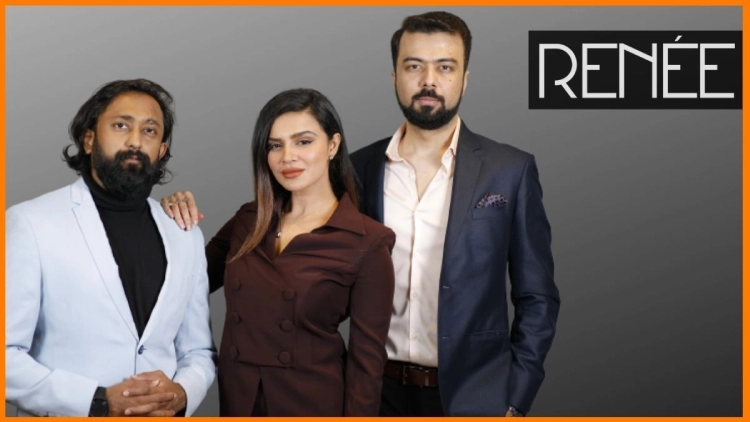
Renée Cosmetics was founded in Ahmedabad in 2020 by actress Aashka Goradia and is the most recent brand on this list by a significant margin. In the five years since its launch it has built a national presence as a cruelty-free, 100 per cent vegan makeup brand targeting the modern Indian woman.
The brand’s growth has been driven primarily through digital channels, influencer partnerships and a product strategy built around innovation rather than just following established category formats. Renée has targeted Rs 500 crore in revenue and a network of 2,500 stores by 2026, which would make it one of the fastest-scaling homegrown beauty brands in India.
What Renée represents in the context of this list is a new chapter for Ahmedabad as a brand-building city. The legacy names here grew through distribution, manufacturing scale and mass media. Renée is growing through Instagram, D2C commerce and community. The city, it seems, has not stopped producing brands worth watching.
How Can Flora Fountain Help Ahmedabad-Based Brands
Every brand on this list started with a product and a clear point of view. Nirma knew exactly who it was selling to. Wagh Bakri knew exactly what it stood for. Rasna knew exactly what feeling it wanted to own. That clarity is not accidental and it does not stay sharp on its own.
For businesses in Ahmedabad building their brand today, the channels have changed but the fundamentals have not. You still need a clear identity, a consistent visual language, a content strategy that reflects who you actually are and a distribution approach that puts the right message in front of the right audience.
That is exactly what Flora Fountain does. As a leading branding agency in Ahmedabad, we work with businesses across categories to build brand identities that hold up across every touchpoint, from your logo and packaging to your Instagram grid and your Google presence.
We build the strategies that turn that identity into actual business growth through SEO, paid media, social content and influencer partnerships.
Whether you are an established business looking to sharpen how you show up online or a newer brand trying to find your footing in a competitive market, we should talk.
Conclusion
Ahmedabad has been building famous brands for well over a century. The industries have changed. The channels have changed. The scale of ambition has changed considerably. What has not changed is the city’s instinct for identifying a gap, building something real to fill it and staying committed to that thing long enough for it to matter.
Nirma found an affordability gap. Wagh Bakri found a gap in regional identity. Rasna found a gap in emotional connection. Renée is finding a gap in modern Indian beauty. Every generation of Ahmedabad entrepreneurs has done a version of the same thing and done it well. If you are looking for a digital marketing agency in Ahmedabad that can help shape that story with clarity, creativity and long-term thinking, this is where the next chapter begins.
The brands on this list did not become famous because they had the biggest budgets or the most sophisticated marketing machinery. They became famous because they understood their audience, built something worth talking about and showed up consistently over time. That is still the whole game.
Frequently Asked Questions
Vasim Samadji is a partner at Flora Fountain, where he leads the Business and Marketing Strategy divisions. In a world where everyone is used to sugarcoating, his directness is often considered rude. But that shouldn't be a problem if you like the no-nonsense approach. Because he is a seasoned professional...