


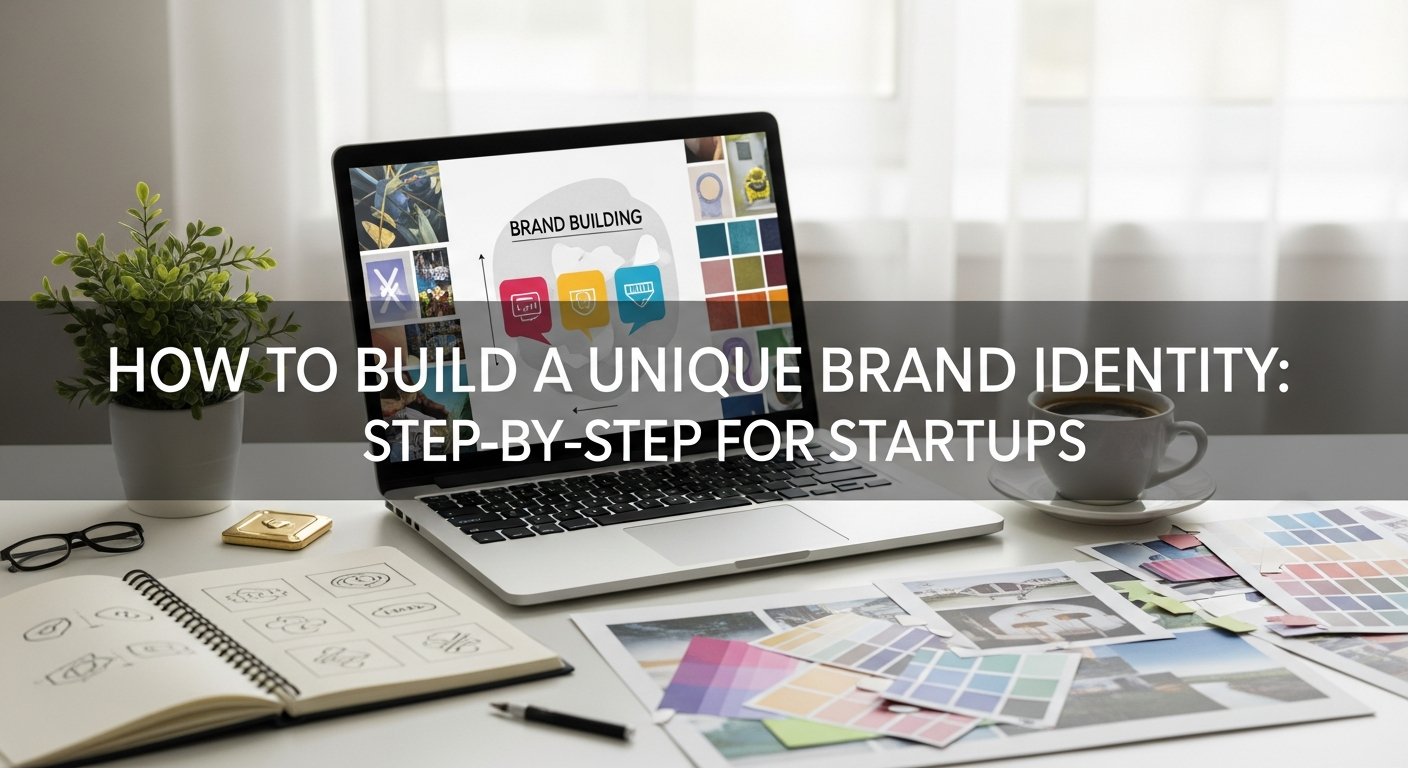
In today’s crowded marketplace, a strong brand identity isn’t just nice to have — it’s essential. Whether you’re launching a new fintech startup or a boutique coffee brand, your identity is what makes people stop, look, and remember you. Before we dive in, know this: building a brand isn’t about having the flashiest logo or the loudest slogan. It’s about clarity, consistency, and connection.
Many founders start with visual elements like color palettes, typography, or an AI logo generator — and while those are valuable tools, they’re just one piece of the puzzle. A truly unique brand identity begins with understanding your audience and defining what makes you different. In this article, we’ll walk you through a practical, step-by-step process that startup teams can apply right now — with real examples, actionable frameworks, and data-backed insights.
What Is Brand Identity — Really?
Before building, we need to define. A brand identity is the combination of visual elements, messaging, values, and experiences that represent your business. It’s how your brand looks, sounds, and feels across every interaction.
According to Lucidpress’ Brand Consistency Report, consistent brand presentation across all platforms can increase revenue by up to 33%. That’s huge for startups trying to establish trust early. Brand identity drives perception, which drives customer loyalty — and loyal customers are far more valuable than one-time buyers.
Step 1: Define Your Brand’s Core Purpose
Start with your why.
Ask the Big Questions
Before anything else, ask:
- What problem are we solving?
- Who are we solving it for?
- Why does our solution matter?
These aren’t marketing fluff questions — they shape every decision you make after.
For example:
“We help remote teams stay productive by making asynchronous collaboration simple, fast, and human.”
This kind of purpose statement becomes the backbone of your communication.
Positioning Statement (Framework)
Try this simple formula:
For [target audience]
Who [need or problem]
Our Brand is a [category/solution]
That [key benefit or differentiator]
Example:
For indie coffee lovers who want quality at home,
BeanWave is a specialty coffee delivery service
That brings curated single-origin roasts to your doorstep weekly.
This isn’t just strategic — it sets the tone for your visual and verbal identity.
Step 2: Know Your Target Audience Deeply
You may think you know your audience — but do you really know them?
It’s not enough to say “millennials” or “tech enthusiasts.” The sharper your understanding, the better your brand identity will resonate.
Create Buyer Personas
Use research, surveys, and feedback to build personas like:
- Demographics: Age, location, income
- Psychographics: Goals, fears, values
- Behaviors: Shopping patterns, social media habits
A simple persona might look like:
Name: Freelance Fiona
Age: 29
Goals: Wants reliable tools that save time
Challenges: Overwhelmed by options
Values: Simplicity, authenticity
These details inform everything — from tone of voice to color choices to where you advertise.
Step 3: Craft Your Brand Messaging
Messaging is how you speak to your audience. And consistency is key: roughly 90% of consumers expect a consistent brand across all platforms.
Develop a Brand Voice
Your voice should reflect your personality and audience:
- Professional? Precise, polished language
- Fun and Friendly? Conversational and witty
- Bold and Edgy? Short, declarative statements
For example:
“We make project management simple — no hype, no noise.”
Tagline Formulas That Work
A good tagline is short, memorable, and benefit-driven. Try these:
- Verb-based: “Create Better Days”
- Outcome-based: “Boost Productivity, Effortlessly”
- Purpose-driven: “For People Who Make Things Happen”
Once you have this foundation, you’re ready to build visually.
Step 4: Design Your Visual Identity
Now comes the look and feel — logo, colors, typography — the visual language your audience sees first.
Logo
Your logo should be:
- Simple
- Scalable (works small and large)
- Representative of your brand personality
Many startups use tools like AI logo generator platforms to quickly prototype logo concepts, test variations, and refine ideas before investing in custom designs.
Color Psychology
Colors evoke emotion. Here’s a quick guide:
- Blue: Trust, stability
- Red: Energy, urgency
- Green: Growth, wellness
- Yellow: Optimism, creativity
Choose a primary palette and 2–3 complementary colors.
Typography
Fonts have personality.
- Serif conveys tradition and trust
- Sans-serif feels modern and clean
- Display fonts are great for headlines, less so for body text
Consistency across headers, body text, and UI elements improves readability and brand cohesion.
Step 5: Apply Your Identity Everywhere
A brand identity isn’t only a logo on a website — it’s how you show up everywhere.
Website
Your homepage is often the first impression. Use:
- Clear value statements
- Consistent visuals
- Helpful navigation
Bonus: Add your brand voice to microcopy (e.g., buttons, form text, error messages).
Social Media
Tailor content to platform strengths:
- Instagram: Visual storytelling, lifestyle imagery
- LinkedIn: Thought leadership, company culture
- TikTok: Short, engaging video content
Emails and Packaging
Even transactional messages (order confirmations, shipping emails) reinforce brand voice and personality.
Step 6: Measure and Evolve
Brand building doesn’t stop once you launch. Track performance with data:
- Brand awareness surveys
- Engagement metrics (social shares, comments)
- Customer feedback and reviews
Set KPIs like:
- Brand recall (% of customers who remember your brand unprompted)
- Net Promoter Score (NPS)
Monitoring these helps you refine messaging and visual elements over time.
Final Thoughts
Building a unique brand identity is one of the most impactful investments a startup can make. It defines how people perceive you, how they remember you, and ultimately, how they choose you over competitors.
Start with purpose. Know your audience. Stay consistent. And don’t be afraid to iterate. With a strong identity, your startup won’t just enter the market — it will stand out in it.

Vasim Samadji is a partner at Flora Fountain, where he leads the Business and Marketing Strategy divisions. In a world where everyone is used to sugarcoating, his directness is often considered rude. But that shouldn't be a problem if you like the no-nonsense approach. Because he is a seasoned professional...