


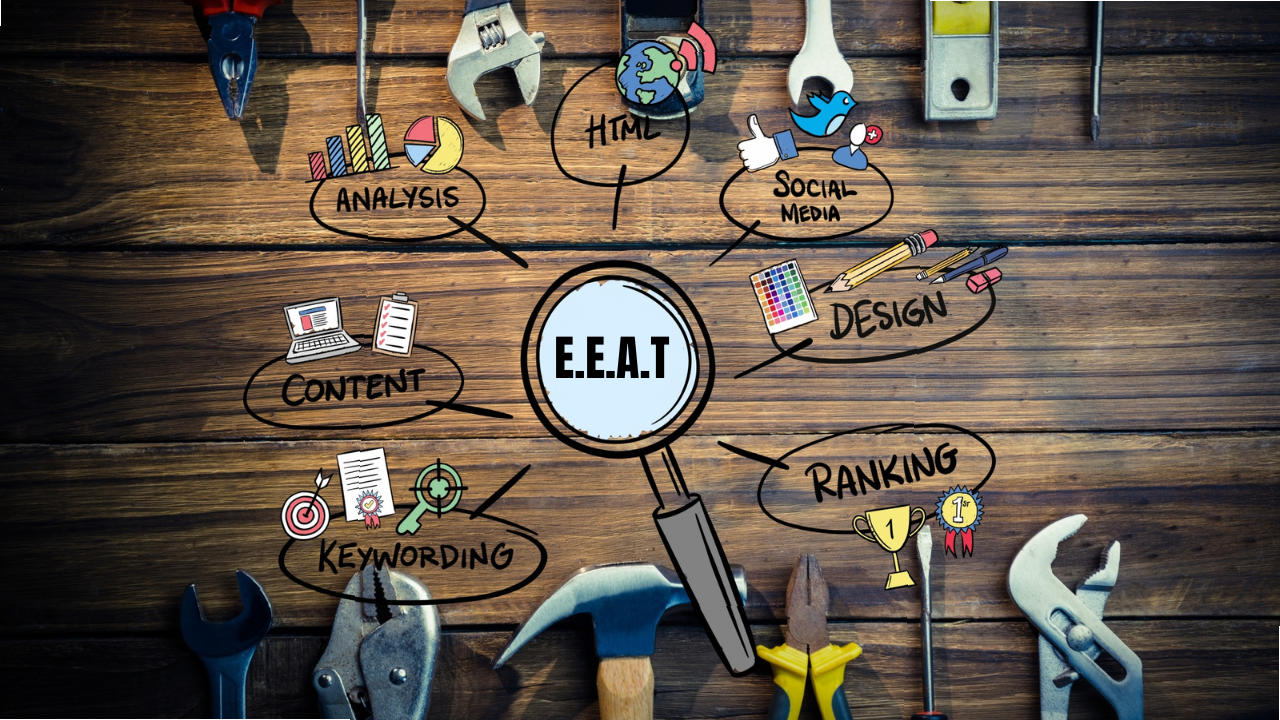
Most businesses still approach SEO as if algorithms haven't evolved past 2015. They publish content without author attribution, cite no sources, hide contact details, and wonder why their rankings decline whilst competitors with similar content climb.
The issue isn't content volume. It's a credibility verification. Search engines no longer just evaluate what you say. They evaluate whether you should be trusted to say it. Google employs EEAT concepts to determine which pages should appear when a user searches for important information.
As a leading SEO agency, we know Google employs EEAT concepts to determine which pages should appear when a user searches for important information. This framework of Experience, Expertise, Authoritativeness and Trustworthiness represents the most significant shift in search evaluation since backlinks. From our perspective, we've witnessed algorithms evolve from counting keywords to assessing human credibility.
Google's Search Quality Rater Guidelines explicitly state that "Trust is the most important member of the EEAT family". If your content isn't built on verifiable experience and demonstrable expertise, you're asking search engines to guess your value, a risk no brand can afford in 2026.
If your content isn't built on verifiable experience and demonstrable expertise, you're asking search engines to guess your value, a risk no brand can afford in 2026.
Table of Contents:
- Understanding EEAT: The Four Pillars
- Why EEAT Matters More in 2026
- Building EEAT Into Your Content Strategy
- Schema Markup for EEAT Verification
- Measuring EEAT Success
- Common EEAT Mistakes
- Conclusion
- FAQs
Understanding EEAT: The Four Pillars
What EEAT Actually Measures
EEAT isn’t a ranking factor you can directly optimise. It’s a quality framework that guides how algorithms evaluate content credibility. It refers to content that displays Experience, Expertise, Authoritativeness and Trustworthiness. These aren’t abstract concepts. They’re measurable signals that search systems use to determine whether your content deserves visibility.
Experience: The Newest Differentiator
Experience represents the most significant evolution in search quality evaluation. Google is aggressively favouring content that demonstrates real-world, firsthand knowledge. A product review from someone who actually purchased and used the item outranks one written from specification sheets, regardless of research quality.
This addition separates theoretical knowledge from practical application. Anyone can research surgery techniques. Only surgeons have performed operations. A travel blog written by someone who actually visited the destinations will significantly outrank one written by someone who just researched online
Expertise: Demonstrable Knowledge
Expertise proves deep understanding through credentials, education, professional experience or sustained track record. Content demonstrating expertise often involves professional qualifications, certifications or years of experience.
This doesn’t require formal degrees for every topic. Expertise in home repair can come from years of renovation projects. Expertise in software can come from building applications. The key is demonstrable depth that search systems can verify through your content and external validation.
Authoritativeness: External Recognition
Authoritativeness originates from sources other than your own website. It is a measurement of your credibility with the rest of the online community. When other sites reference your insights, link to your guides or quote your analysis, authority increases.
This recognition can’t be claimed. It must be earned. As your brand gets mentioned in reputable publications, communities and podcasts, you’ll naturally earn high-quality backlinks that improve your EEAT signals.
Trustworthiness: The Foundation
Without trust, experience and expertise become less relevant in AI citation decisions. Trust encompasses accuracy, transparency, security and reliability. Sites lacking clear contact information, transparent policies or secure infrastructure signal untrustworthiness regardless of content quality.
| EEAT Component | What It Measures | How to Demonstrate |
|---|---|---|
| Experience | First-hand involvement with the topic | Original photography, personal case studies, behind-the-scenes content |
| Expertise | Deep knowledge and skill in the subject | Credentials, certifications, consistent, accurate content, cited sources |
| Authoritativeness | External recognition and credibility | Industry mentions, quality backlinks, media features, speaking engagements |
| Trustworthiness | Accuracy, transparency, and reliability | Clear policies, secure site, author attribution, fact-checking, corrections policy |
Why EEAT Matters More in 2026
The AI Search Transformation
With 62% of web traffic coming from mobile devices in 2025, and AI Overviews dominating search results, EEAT separates the winners from the 96.55% that get zero traffic. When ChatGPT, Perplexity or Google’s AI generates responses, they prioritise content from recognised entities and authoritative sources.
The critical difference: whilst Google assesses cumulative trust signals through backlinks and long-term reputation, LLMs can weigh recent sentiment and user-generated content more immediately. A brand mentioned positively across Reddit threads, review sites and recent articles can gain AI visibility faster than it climbs traditional rankings.
The Content Quality Threshold
AI can help with research and structure, but content must be enhanced with personal experience, expert insights, careful editing, credible references and original data. Generic AI output without human enhancement fails the EEAT evaluation comprehensively.
Research confirms this shift. Content that simply rewrites existing articles or rehashes the same information everyone else is sharing faces steeper ranking penalties. The algorithm distinguishes between synthesis and genuine insight.
Building EEAT Into Your Content Strategy
Start With Transparent Attribution
Every piece of content needs clear author identification. Include author boxes under your blog posts with a photo, name, short bio and links to profiles like LinkedIn. Anonymous content signals either a lack of expertise or an unwillingness to be accountable.
Author bios should establish credentials relevant to the topic. A finance article authored by a certified financial advisor with links to professional registration carries weight. The same article by an unattributed writer doesn’t, regardless of content quality.
Demonstrate Experience Through Specificity
Generic advice reads like AI output. Specific insight reads like experience. Instead of “social media marketing requires consistency,” write “in three years managing social accounts for B2B tech companies, I’ve found posting frequency matters less than response time to comments, with accounts responding within two hours seeing 40% higher engagement.”
The specificity proves you’ve done the work. Include:
- Original data from your projects
- Screenshots showing actual results
- Photos from real implementations
- Specific numbers with context
- Challenges encountered and solutions found
Build Expertise Signals Systematically
One study found prominent media mentions accounted for 27% of citations used by large language models SEO.com. This external validation matters more than self-promotion. Any credible SEO agency focuses on earning recognition rather than claiming it.
Tactics for building expertise signals:
- Guest contributions to industry publications
- Speaking engagements at relevant events
- Podcast interviews discussing your specialty
- Original research publications
- Industry certification acquisition
- Comprehensive resource development
Each signal independently carries modest weight. Collectively, they create verification patterns that algorithms recognise.
Establish Authority Through Recognition
Getting featured by major industry blogs or news sites signals that others value your expertise. This recognition can’t be manufactured quickly. It requires sustained quality and strategic relationship building.
Focus on:
- Contributing expert commentary to journalists via platforms like HARO
- Creating research worth citing by other publications
- Building relationships with industry publications
- Developing unique data or methodologies
- Publishing comprehensive resources that others reference
Authority compounds. Initial recognition makes subsequent features easier. The pattern accelerates over time.
Implement Technical Trust Signals
A secure HTTPS connection, fast page load times and a smooth user experience show both users and Google that your site is safe and reliable. These technical foundations matter more in EEAT evaluation than many realise.
Essential technical trust signals:
- HTTPS encryption site-wide
- Clear, accessible contact information
- Comprehensive privacy policy
- Terms of service
- Editorial standards and correction policy
- About page detailing the company history and team
- Physical address for local businesses
- Professional email addresses, not free providers
Schema Markup for EEAT Verification
Making Credentials Machine-Readable
Structured data transforms human-readable credentials into machine-verifiable facts. Agencies must ensure every piece of content published demonstrates verifiable depth and reliability. Schema markup provides the technical mechanism for this verification.
Implement:
- Author Schema with links to professional profiles
- Organisation Schema with comprehensive company details
- ReviewRating Schema for products and services
- FAQ Schema for common questions
- Article Schema with publication details
- Breadcrumb Schema for site structure clarity
The Same As Property
This schema property connects your site identity to external profiles. Link your organisation entity to LinkedIn, Crunchbase, Wikipedia (if applicable), industry directories and social profiles. This web of verification helps search systems confirm your legitimacy.
Measuring EEAT Success
Beyond Traditional Metrics
Performance monitoring utilises new metrics that track brand sentiment, citation frequency and entity recognition alongside traditional keywords. These semantic relevance indicators often predict algorithm update impact before it materialises.
Track:
- Brand Search Volume: Indicates users seeking you specifically as a trusted source
- Citation Rate: The Frequency your content is referenced by industry publications
- AI Overview Mentions: How often AI systems cite your content in responses
- Author Recognition: External mentions of your team members as experts
- Ranking Stability: EEAT often manifests as reduced volatility rather than immediate spikes
- Direct Traffic Growth: Users bookmarking and returning signals trust
The Long-Term Perspective
EEAT success often manifests as reduced ranking volatility and increased citation rates rather than immediate traffic spikes. This isn’t quick-win optimisation. It’s infrastructure building that creates compounding advantages.
Sites with strong EEAT signals weather algorithm updates better. They maintain rankings; competitors lose. They capture AI citations that competitors can’t access. The investment pays returns over years, not weeks.
Common EEAT Mistakes
Anonymous Content
Publishing without clear authorship undermines credibility immediately. Even if content quality is high, a lack of attribution signals that you either don’t have qualified authors or don’t want to be accountable.
Outdated Information
Weak signals, such as outdated statistics or poor site security, negate expertise signals elsewhere on the site. Regular audits and updates are essential maintenance, not optional enhancements.
Lack of External Validation
Claiming expertise without external recognition creates credibility gaps. If no one outside your organisation acknowledges your authority, search systems won’t either.
Poor Technical Trust
Missing privacy policies, lack of HTTPS, slow load times, and unclear contact information. These technical failures undermine content quality completely. Users and algorithms both interpret them as red flags.
Conclusion
The era of anonymous, unattributed, unsourced content has definitively ended. To thrive in 2026’s search landscape, your website must evolve from a content repository to a credibility system.
EEAT SEO isn’t optional infrastructure for brands serious about organic visibility. EEAT is your competitive edge for 2026. Google’s shift toward content quality over technical tricks makes these signals the primary differentiator between sites that rank and sites that don’t.
From the perspective of any credible SEO agency, this shift favours quality over manipulation. The brands dominating search aren’t necessarily the largest or best-funded. They’re the ones whose content architecture demonstrates genuine expertise, real experience, earned authority and systematic trustworthiness. That foundation, once built, creates advantages that compound over time into market positions competitors struggle to displace.
Frequently Asked Questions

The founder and partner of Flora Fountain, Shefali leads the Content and Technology divisions. A one-time engineer who started her career writing front-end code, she took a detour sometime during her 9 years in New York, studied journalism and started writing prose, poetry and sometimes jokes. She now has 15...