


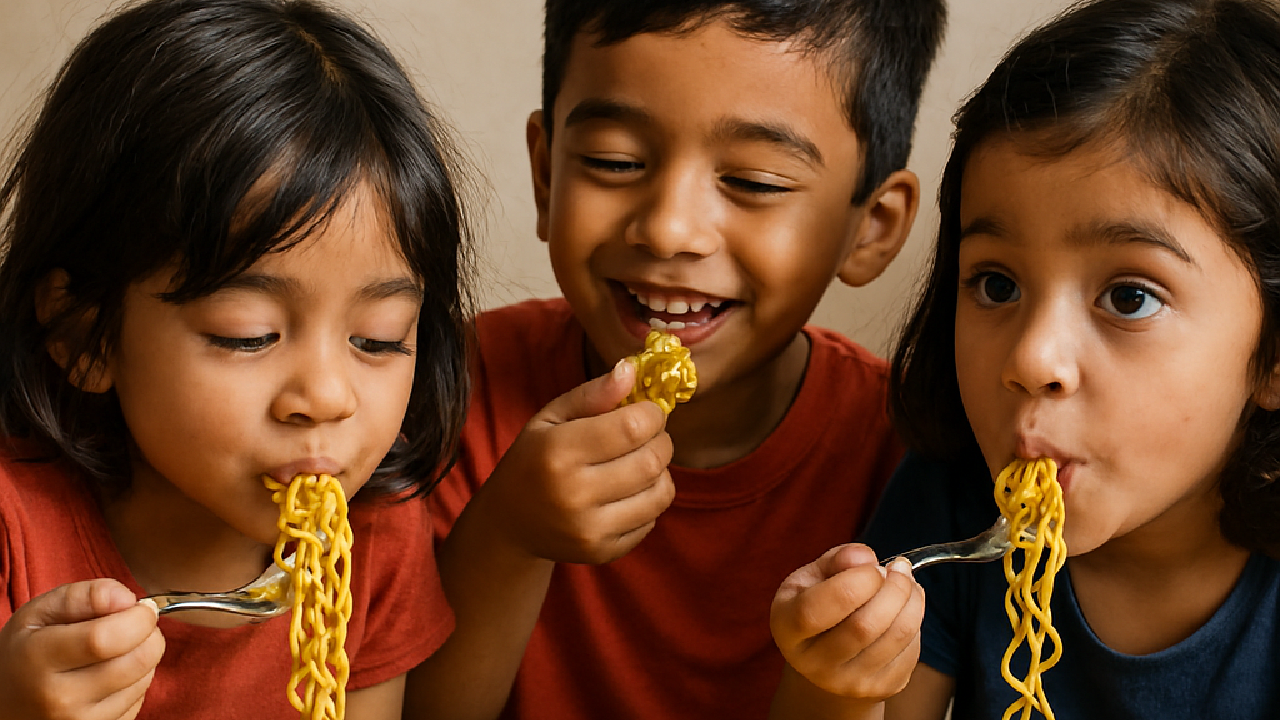
If you grew up in India, chances are your childhood memories smell faintly of turmeric, masala, and a suspiciously addictive yellow noodle block. Maggi is not just a snack; it is a rite of passage. Whether you were a broke student, a midnight snacker, or a parent trying to whip up something “quick-quick,” Maggi was your mate.
But behind that two-minute promise lies a marketing saga worthy of a Bollywood biopic. From becoming a household name to facing a nationwide ban and then rising like a phoenix (with extra tastemaker). For every branding agency looking to build a resilient brand, Maggi’s story is the ultimate case study. It’s proof that strong branding can survive even the toughest storms. And let’s be honest, no hashtag can trend harder than our collective craving for “just one more bite.”
Table of Contents:
- The Rise of Maggi in India
- The Emotional Connection (aka, the “Me and Meri Maggi” years)
- The Fall of Maggi
- The Comeback
- Beyond Noodles: Maggi’s Pantry Takeover
- What Other Brands Can Learn From Maggi’s Marketing Strategy
- Final Thoughts: Stirring Up Nostalgia
- Frequently Asked Questions
The Rise of Maggi in India
Maggi entered India in 1983, when instant noodles were as alien as avocado toast. It was brought in by Nestlé India, the Indian subsidiary of the Swiss food giant Nestlé, which had already been selling the brand in Europe. Their big idea? Don’t just sell noodles, sell convenience to a country where “snacks” usually meant hours of frying, chopping or rolling dough.
Positioning: “2-minute noodles” wasn’t just a tagline, it was a lifestyle. This idea was planted so that food could be quick, tasty and fun, something unheard of in the early ’80s.
Emotional Hook: Ads showed mums whipping up Maggi for hungry kids, making it the unofficial food of love and laziness.
Cultural Fit: Maggi smartly adapted its flavours to Indian palates starting with the now-iconic Masala variant. Over time, they rolled out atta, oats, chicken, schezwan and more, proving they knew how to speak “India’s stomach language.
But here’s the real kicker, Maggi didn’t stop at kitchens. It crept into college canteens, roadside dhabas, hill station stalls and even 5-star hotels (yes, chefs sneak it onto midnight menus too). With every slurp, it went from snack to social glue.
Maggi also aced community branding before the term even trended, because sharing a steaming bowl with friends during exams or trips wasn’t just food, it was memory-making. It’s the kind of organic connection every branding agency dreams of creating today, built not on campaigns, but on comfort.
Soon, Maggi wasn’t just a brand. It was the noodles. Like how “Xerox” became synonymous with photocopying, Maggi became the verb for boiling water and pretending to cook.
The Emotional Connection (aka, the “Me and Meri Maggi” years)
Maggi emphasised emotional storytelling. The “Me and Meri Maggi” campaign was a masterstroke. For its 25th anniversary in India, Maggi invited consumers to share their personal Maggi stories. And boy, did the memories pour in!
The responses were soaked in nostalgia:
- Students connecting in hostels over a late-night Maggi marathon before exams.
- Couples sharing a bowl on a rainy day, turning a simple snack into a romantic ritual.
- Kids and teens making Maggi as their first “dish,” proudly serving something that wasn’t a complete disaster.
- Travellers warming up with a hot plate of Maggi at a chilly hill station dhaba, where nothing else on the menu felt quite as comforting.
This wasn’t just advertising; it was interaction. Maggi didn’t just market noodles; it built a community-driven brand where customers became storytellers. By letting people write their own Maggi moments, Nestlé turned the brand into a living scrapbook of India’s collective memory.
It became more than food, it became a symbol of comfort, nostalgia and companionship. Every bowl was a reminder that Maggi wasn’t just something you ate; it was something you felt. That’s the magic of emotional branding, where customers don’t just buy, they belong.
The Fall of Maggi
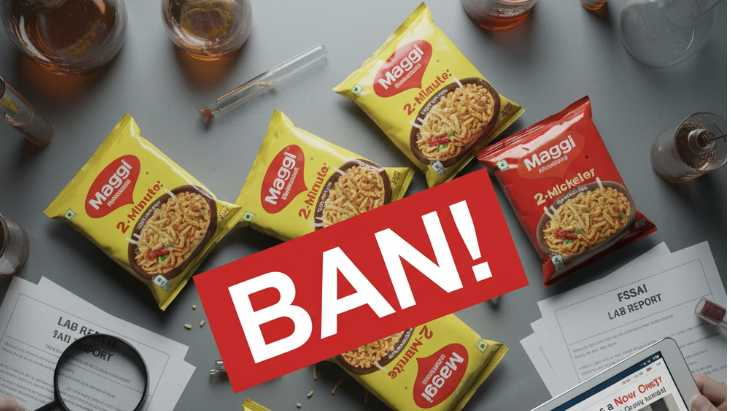
In mid-2015, India’s beloved two-minute noodle brand, Maggi, found itself in the eye of a massive food-safety storm. It went from pantry staple to national headline in days. Here’s how it unfolded:
The Spark: Lead & MSG Allegations
- In May 2015, food inspectors in Barabanki (UP) discovered lead concentrations as high as 17 ppm in Maggi packets, far exceeding the permissible 2.5 ppm. They also detected MSG despite “No Added MSG” claims on the packaging.
- Subsequent lab tests across states echoed these alarming results.
Domino Effect: State-Level Bans & Nationwide Recall
Early June 2015:
- Delhi imposed a 15-day ban.
- States like Gujarat, Tamil Nadu, Assam and Andhra Pradesh joined in, banning Maggi temporarily.
- The FSSAI escalated it: ordering a recall of all nine Maggi variants, halting production and labelling them unsafe for human consumption. voluntarily withdrawing Maggi nationwide, citing consumer confusion and maintaining the product’s safety.
Crisis & Costs: What Went Wrong
- The ban triggered an uproar: consumer trust crashed, media coverage intensified and Maggi’s sales plummeted.
- Nestlé suffered major financial losses:
- Recalled about 38,000 tonnes of noodles, incinerated across cement plants.
- Estimated loss: around ₹320 crore.
- The Indian government filed a $100 million damages claim, accusing Nestlé of misleading advertising and compromising public health.
Judiciary to the Rescue
- August 13, 2015: The Bombay High Court lifted the ban, ruling that FSSAI had bypassed due procedure.
- The Court mandated retesting at three accredited labs, all of which cleared Maggi by October 2015.
- By November 2015, Maggi was back on the shelves with the “Welcome Back Maggi” campaign, pledging safety and rebuilding trust.
Aftermath: Rebuilding Trust (Slowly)
- Consumer loyalty endured, but not fully. Market share recovered to around 50%, down from a pre-crisis 75–80%
- For Suresh Narayanan, Nestlé India’s MD, the Maggi crisis was “one of the greatest challenges” of his career.
Why It Mattered
- Food safety standards and regulatory rigour came under the spotlight. The crisis sparked systemic reviews of testing, labelling and crisis response mechanisms.
- It proved that in an age of social media and declining brand trust, even giants must act swiftly, transparently and responsibly or risk permanent damage.
The Comeback
Initial Missteps and Re-strategising:
Nestlé’s initial response was defensive and focused on technicalities, which only amplified public anger. Recognising the blunder, a new leadership team, headed by Suresh Narayanan, shifted the strategy to prioritise transparency and emotional appeal.
Scientific Reassurance:
Nestlé focused on proving the product’s safety. They conducted over 3,500 tests in accredited laboratories and publicised the results to demonstrate that Maggi was safe. This reassurance was the foundation for regaining trust.
The Emotional Reconnection:
With safety established, Maggi turned to its emotional connection with its audience. The #WeMissYouToo campaign ran on social media, featuring monologues from fans who missed the product. These videos empathised and showed the brand was listening.
A Strategic Relaunch:
The comeback was strategic. Instead of a blanket launch, Maggi first returned to the market through a partnership with Snapdeal, selling out 60,000 “Welcome Kits” quickly. The Masala variant was relaunched first, reinforcing familiarity before other products returned.
Sustained Communication:
Campaigns like “#NothingLikeMaggi” and videos showcasing the manufacturing process followed, maintaining a balance between emotional storytelling and factual reassurance. Within six months, Maggi had clawed back over 50% of its market share.
Beyond Noodles: Maggi’s Pantry Takeover
Maggi didn’t stop at noodles. It pulled a full-on pantry invasion.
Maggi Sauces:From classic tomato to hot & sweet
Maggi Masala-ae-Magic:A seasoning blend that made even karela tolerable
Maggi Pasta & Soups: For the days when you want to pretend you’re fancy
Maggi Oats & Atta Noodles:Healthier variants for the calorie-conscious
Each product was backed by relatable, snackable content, often crafted by digital marketing agencies that understood Indian youth culture like the back of their masala-stained hands.
What Other Brands Can Learn From Maggi’s Marketing Strategy
View this post on Instagram
- Emotional Storytelling Wins: Maggi didn’t just sell food; it sold feelings.
- Crisis Can Be a Catalyst: The ban forced Maggi to rethink, rebrand and reconnect.
- Cultural Relevance is Key: From Hinglish copy to festival tie-ins, Maggi stayed rooted in Indian life.
- Digital First, Always: Maggi’s comeback was powered by memes, reels and hashtag campaigns, not billboards.
- Consistency with Flexibility: Maggi kept its core identity while adapting to new formats and audiences.
Final Thoughts: Stirring Up Nostalgia
Maggi’s marketing playbook is proof that great brands aren’t built in boardrooms, they’re built in kitchens, hostels and hearts. It’s a story of resilience, reinvention and really good noodles.
Let us ask the tough question now. Is your brand prepared for a crisis? Dont worry, let our digital marketing agency help you build a resilient, emotionally connected brand story that withstands any storm. Contact us today to learn more
FAQs

Vasim Samadji is a partner at Flora Fountain, where he leads the Business and Marketing Strategy divisions. In a world where everyone is used to sugarcoating, his directness is often considered rude. But that shouldn't be a problem if you like the no-nonsense approach. Because he is a seasoned professional...