


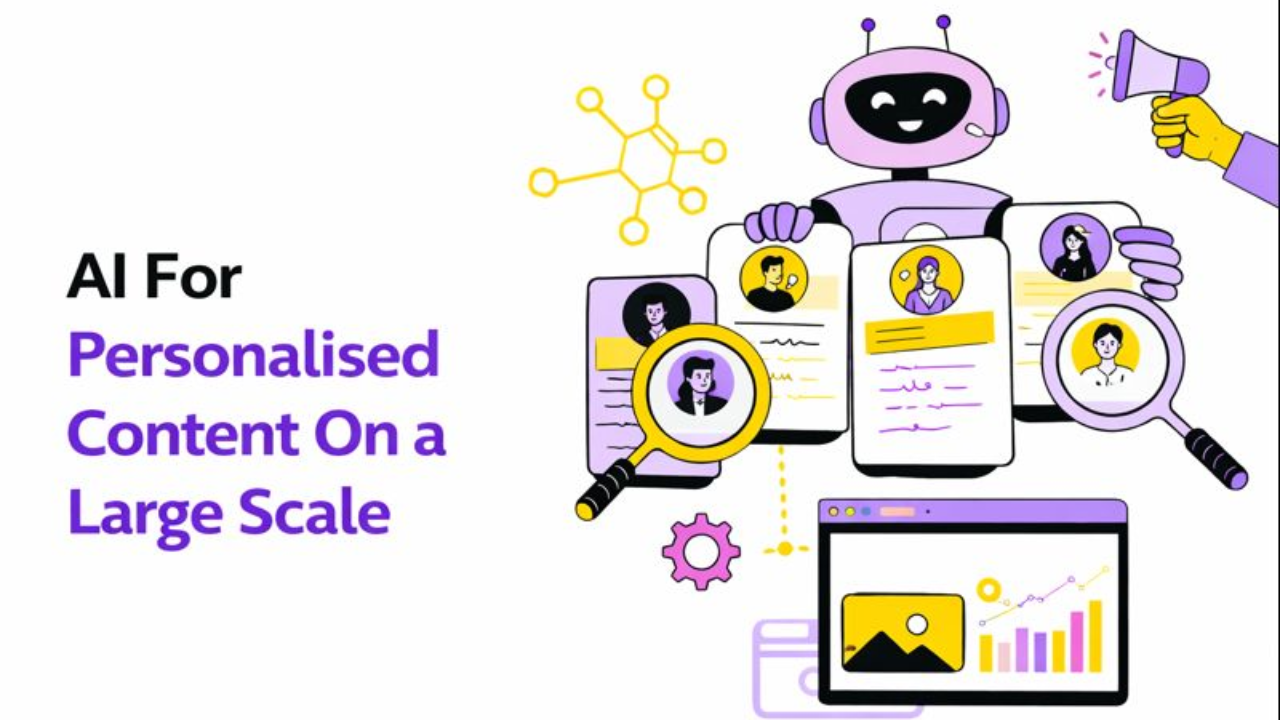
For decades, social media was treated as a digital megaphone. Brands would craft a single, high-production message and broadcast it to their entire following, hoping it would resonate with enough people to justify the spend. In 2026, this “spray and pray” methodology is not only obsolete. It is actively damaging to brand sentiment.
Today, the digital landscape is defined by hyper-relevance. Consumers no longer just follow brands. They expect brands to follow their individual rhythms, understand their specific contexts and speak to their particular needs at precise moments. The challenge for a relatively new digital marketing agency is no longer just reaching an audience but resonating with every individual within that audience simultaneously.
This is the promise of AI social media marketing: the ability to deliver one-to-one personalisation at a scale of millions. But the reality is more nuanced than simply deploying technology. The brands succeeding aren’t those using the most sophisticated AI tools. They are those understandings when personalisation enhances connection versus when it crosses into intrusion.
Table of Contents:
- The Shift to 1-to-1 Marketing
- Which AI Technologies Are Actually Driving Individualised Content?
- How Do You Power an Infinite Content Engine?
- Can AI Anticipate a Customer’s Micro-Moment Before It Happens?
- Why Do Content AI Tools Still Require Human Intuition?
- How Do You Stay Relevant Without Being Creepy?
- Conclusion
- FAQs
The Shift to 1-to-1 Marketing
The Fatigue of the Generic Feed
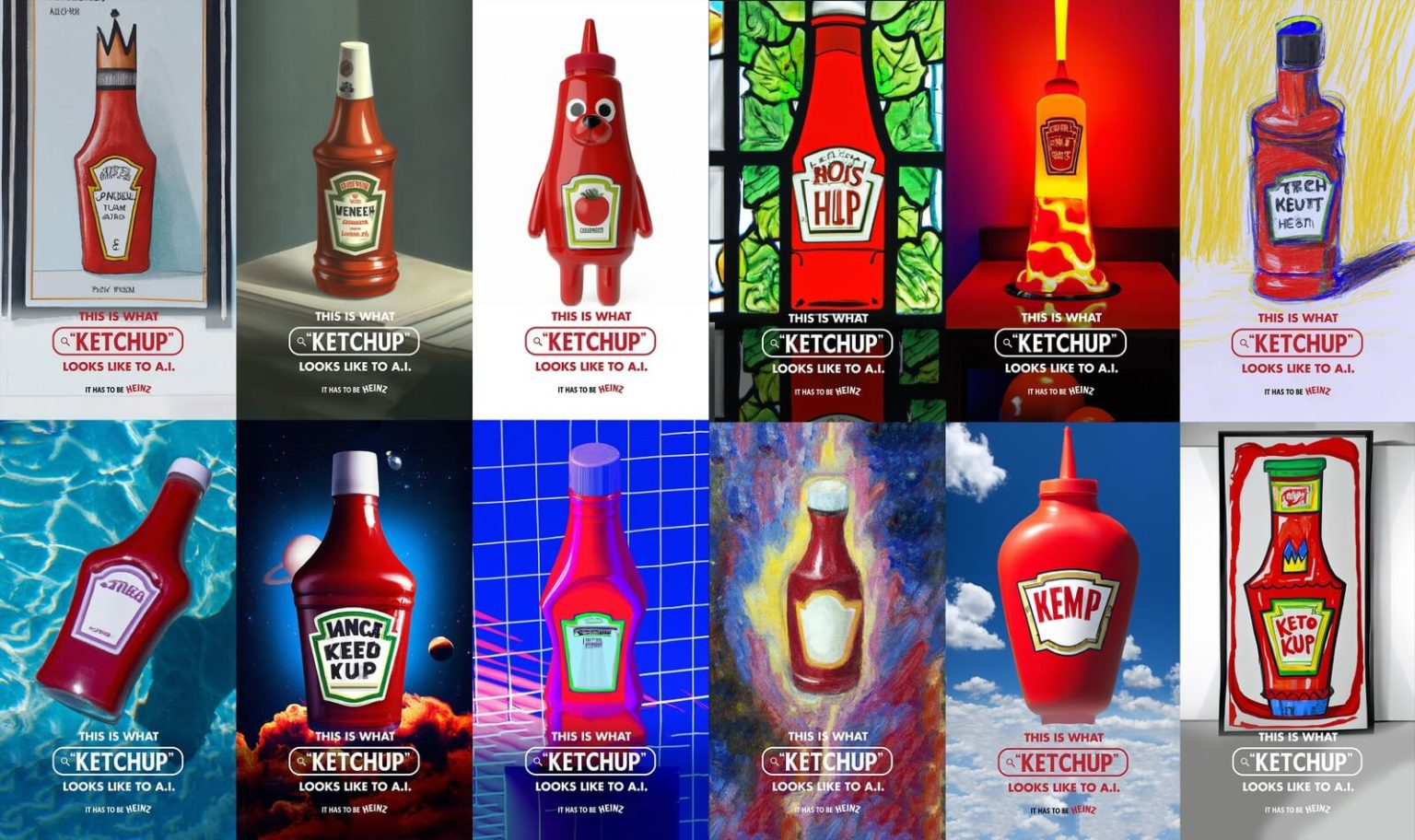
The broadcast model failed because it optimised for the brand’s convenience rather than the customer’s experience. Creating one piece of content is easier than creating thousands. But ease of production doesn’t correlate with the effectiveness of communication.
Source: AINEWS
AI social media marketing solves this by inverting the focus from “what the brand wants to say” to “what the user needs to hear.” By using machine learning to analyse micro-behaviours (scroll speed, story skip patterns, dwell time on specific post types, sentiment in comments), AI allows a social media marketing agency to adjust the narrative for every single user in real-time.
The sophistication extends beyond demographic targeting. Traditional social advertising segmented by age, location and interests. AI personalisation segments by psychological state, current life context and predicted receptivity. Someone might fall into your target demographic but be completely unreceptive to your message at a particular moment. AI identifies those moments and adjusts delivery accordingly.
Consider how the same product message might be personalised across contexts. A fitness brand isn’t just targeting “women aged 25 to 35 interested in wellness.” They’re identifying:
- The new mother struggling with post-pregnancy fitness goals needs encouragement and realistic expectations rather than aggressive transformation messaging.
- The corporate professional seeking stress relief who responds better to mental health framing than physical appearance outcomes.
- The competitive athlete looking for performance metrics who wants data-driven content rather than inspirational quotes.
These aren’t different products or even different campaigns. They’re the same core offering communicated through different emotional and contextual lenses based on where each individual is in their journey.
Which AI Technologies Are Actually Driving Individualised Content?
To achieve personalisation at scale, a professional digital marketing agency utilises a sophisticated “stack” of artificial intelligence. These aren’t just tools. They are the fundamental architecture of modern social strategy, working in concert to create experiences that feel individually crafted whilst being systematically generated.
Computer Vision and Visual Analysis
AI now understands the content of an image as comprehensively as a human does. It can identify that a user engages more with lifestyle photography than product shots and automatically prioritise those visuals in their feed. But the sophistication extends further.
Computer vision analyses the aesthetic preferences embedded in engagement patterns. Does this user respond better to warm colour palettes or cool tones? Minimalist compositions or busy, detailed images? Faces looking directly at the camera or candid, environmental portraits? These micro-preferences, invisible to human analysis across millions of users, become targeting parameters that improve creative performance.
The technology also enables real-time visual adaptation. The same product might be photographed against different backgrounds, in different lighting conditions, with different lifestyle contexts. AI selects which visual treatment to serve based on the specific user’s demonstrated preferences.
Natural Language Generation
NLG allows brands to generate thousands of variations of messaging without thousands of copywriters. A single campaign for a fitness app might have 5,000 unique captions: one focusing on mental health benefits for the morning scroller scrolling during their commute, another emphasising high-intensity performance for the gym enthusiast browsing post-workout.
Truthfully, a premier social media marketing agency will understand that effective NLG isn’t just synonym swapping. It’s tonal adaptation. The technology understands that some audiences respond to aspirational language, whilst others find it alienating and prefer practical, straightforward communication. Some appreciate humour whilst others want seriousness. Some engage with longer, narrative captions, whilst others scroll past anything exceeding two sentences.
The sophisticated implementations also maintain brand voice consistency across variations. This is the challenge most brands struggle with: how do you create 5,000 different messages that all still sound unmistakably like your brand? The answer lies in defining brand voice as a set of linguistic parameters (vocabulary choices, sentence structure patterns, tonal ranges) that AI applies consistently while varying the specific content.
Sentiment Analysis
By monitoring the emotional temperature of comment sections and wider social conversations, AI adjusts content tone appropriately. If market sentiment is currently anxious due to economic conditions or current events, the AI suggests more supportive, empathetic tones for posts. If sentiment is celebratory, content shifts to match that energy.
This goes beyond crude positive/negative sentiment detection. Modern sentiment analysis understands emotional nuance: distinguishing between excitement and anxiety (both high-arousal emotions), or contentment and sadness (both low-arousal emotions). It detects sarcasm, cultural references and contextual meaning that earlier sentiment tools missed entirely.
How Do You Power an Infinite Content Engine?
The greatest barrier to personalisation used to be production capacity. Humans cannot manually design 10,000 different creative variations. Dynamic Creative Optimisation removes this bottleneck entirely.
A social media marketing agency now feeds the “DNA” of a campaign (the logo, core message, product assets, brand guidelines) into an AI engine. The engine then assembles unique posts for each user based on their specific profile, combining elements in configurations that maximise predicted relevance.
- For the student: A TikTok creative featuring upbeat music, study-focused messaging and student-life imagery.
- For the executive: The same product on LinkedIn with professional photography, data-driven narrative and industry-specific language.
- For the commuter: A mobile-optimised Story with quick-read format, minimal text and immediate value proposition.
This isn’t just changing a headline. It’s changing the entire aesthetic and emotional appeal of the creative to match the individual’s digital persona.
DCO also enables continuous optimisation that human teams cannot match. Traditional A/B testing compares two or three variations to identify a winner. DCO tests hundreds of variations simultaneously, identifying winning combinations across different audience segments whilst automatically deprioritising underperforming creative elements.
Can AI Anticipate a Customer’s Micro-Moment Before It Happens?
Anticipating the Micro-Moment
In 2026, the most successful brands don’t just respond to trends. They predict them. AI-driven social media marketing uses predictive analytics to identify which content themes will peak next week, allowing brands to position themselves ahead of conversations rather than reacting to them.
By analysing early adopter sentiment and cross-platform search patterns, a digital marketing agency can identify emerging topics whilst they’re still niche. This allows for “just-in-time” content: posts that arrive in a user’s feed at the exact moment they are most receptive to that specific information.
The predictive capability extends to individual user behaviour. AI identifies patterns indicating someone is entering a life stage or facing a decision where your product becomes relevant. Someone researching universities might soon need student banking services. Someone viewing property listings might need furniture, insurance or removal services. Someone engaging with parenting content whilst following fitness accounts might be postpartum and receptive to appropriate wellness messaging.
These predictions aren’t certainties. They’re probability assessments that allow brands to present relevant offerings at opportune moments without requiring explicit user signals. The messaging can be positioned as a helpful suggestion rather than targeted advertising because it genuinely addresses probable current needs.
The predictive intelligence also identifies optimal posting times at the individual level. Aggregate “best time to post” recommendations assume your entire audience behaves identically. Personalised scheduling recognises that some followers engage during morning commutes, whilst others browse during lunch breaks or evening downtime. AI ensures content reaches each user when they’re most likely to be receptive.
Why Do Content AI Tools Still Require Human Intuition?
If AI is the engine, then an AI-driven social media marketing agency is the navigator. The fear that AI would replace agencies has proven false. Instead, the role has evolved into something simultaneously more strategic and more creative.
- Strategic oversight ensures the AI’s choices align with long-term brand equity rather than just short-term engagement metrics. An algorithm might identify that controversial content drives higher engagement, but strategic oversight prevents brand damage from pursuing engagement at any cost.
- Prompt engineering has become a core agency competency. Crafting sophisticated instructions that guide AI’s creative output requires understanding both the technology’s capabilities and the brand’s nuanced positioning. Poor prompts generate generic output. Sophisticated prompts generate distinctive content that feels authentically branded.
- Creative guardrails protect the brand soul from becoming too robotic or generic. Whilst AI handles variation generation, humans define the boundaries within which variation occurs. What tonal ranges are acceptable? Which visual styles align with brand identity? What topics should be avoided? These guardrails ensure personalisation enhances rather than dilutes brand distinctiveness.
- Ethical auditing regularly checks AI models for bias or intrusive targeting. Left unsupervised, machine learning can perpetuate biases present in training data or optimise for metrics in ways that contradict brand values. Agency oversight ensures technology serves strategy rather than determining it.
The partnership is simple: the agency provides the why (strategic objectives), the who (brand personality) and the where (ethical boundaries), whilst AI handles the how (execution at scale). Neither can succeed without the other. AI without strategic direction generates volume without value. A strategy without AI cannot execute personalisation at a competitive scale.
How Do You Stay Relevant Without Being Creepy?
The Creepiness Threshold
There is a fine line between a brand feeling intuitive and feeling intrusive. In 2026, consumers are hyper-aware of data privacy. If a brand knows too much (referencing private conversations in public advertising, targeting based on sensitive health information, demonstrating knowledge they shouldn’t possess), trust is instantly destroyed.
A responsible digital marketing agency implements privacy-first personalisation. This means using anonymised behavioural data rather than personal identifiers. The goal is being relevant without being voyeuristic. You can understand that someone engages with fitness content without knowing their specific weight or health conditions. You can identify someone interested in career development without accessing their employment records.
The ethical framework also addresses psychological manipulation concerns. Personalisation can identify psychological vulnerabilities and exploit them for commercial gain. Ethical implementation means recognising when personalisation crosses from helpful to exploitative. Targeting gambling content to users showing addictive behaviour patterns isn’t personalisation. It’s predation.
The regulatory environment is tightening globally. Privacy-first personalisation isn’t just an ethical imperative. It’s a compliance requirement. Brands building personalisation strategies on foundations that violate emerging privacy regulations face expensive rebuilds when enforcement intensifies.
Conclusion
Using AI to personalise social media content at scale is no longer a futuristic concept. It is the operational standard for any brand wanting to survive the attention economy of 2026. By moving from a broadcast model to a 1-to-1 conversation, brands build deeper, more authentic relationships with customers.
The winners of the next decade will be brands mastering this balance: leveraging the incredible processing power of AI social media marketing to drive efficiency, whilst relying on the creative empathy of a social media marketing agency to drive connection. When technology and humanity work in harmony, the result isn’t just a sale. It’s a community.
The broadcast era treated audiences as masses to be reached. The personalisation era treats them as individuals to be understood. That fundamental shift in perspective, enabled by AI but guided by human strategy, represents the future of brand communication.
Frequently Asked Questions

Vasim Samadji is a partner at Flora Fountain, where he leads the Business and Marketing Strategy divisions. In a world where everyone is used to sugarcoating, his directness is often considered rude. But that shouldn't be a problem if you like the no-nonsense approach. Because he is a seasoned professional...