


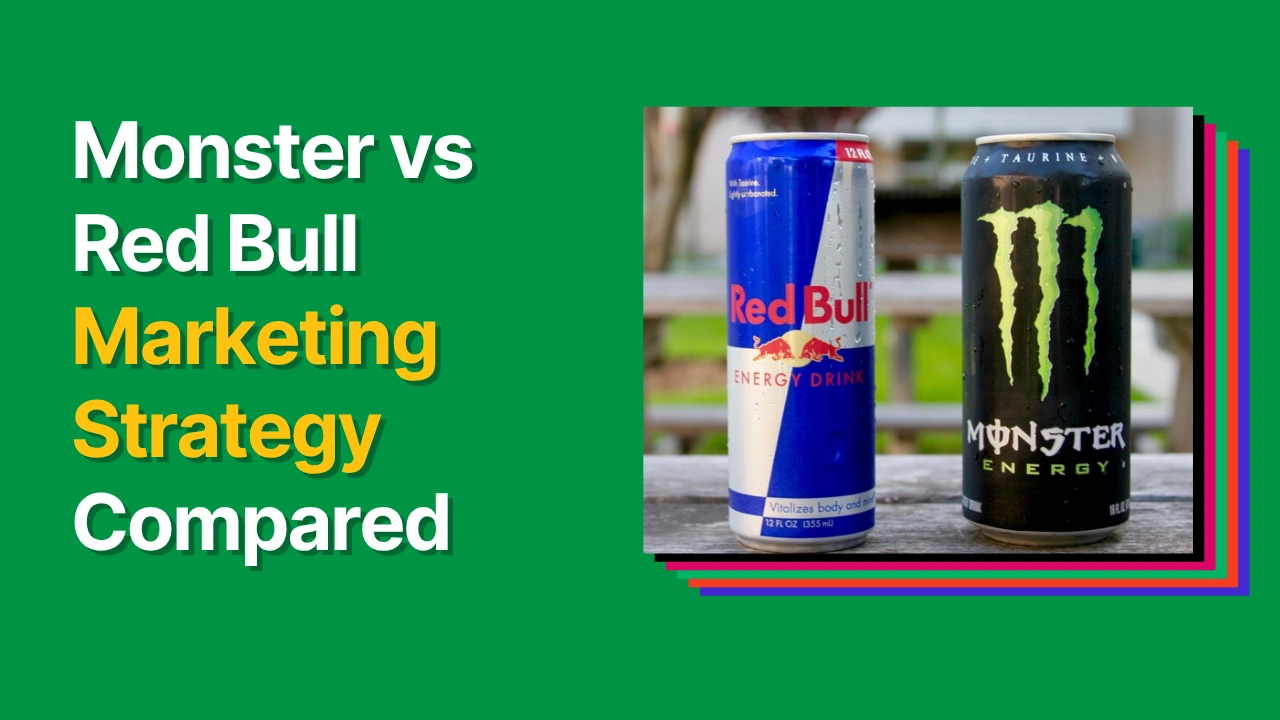
You have seen both cans at the checkout counter a hundred times. One 5is slim, blue and silver with a charging bull. The other is big, black and green with claws raked across it.
But the real difference between Monster and Red Bull has nothing to do with what is inside the can. It has everything to do with what is inside the brand.
This is a breakdown of two of the most-studied marketing rivalries in the world, how each brand thinks, what they have built, and which one is winning the battle for cultural relevance in 2026.
Table of Contents
- Brand Origins
- Core Philosophy
- Sponsorship Strategy
- Red Bull Media House
- Social Media and Digital
- Pricing and Distribution
- Visual Identity
- Head-to-Head Scorecard
- What Brands Can Learn
- In Conclusion
- FAQs
Brand Origins
Red Bull
Red Bull was founded in 1987 by Austrian entrepreneur Dietrich Mateschitz, inspired by a Thai energy drink called Krating Daeng. He licensed the formula, tweaked it for Western tastes and launched it in Austria with a price point deliberately set higher than soft drinks to signal premium positioning.
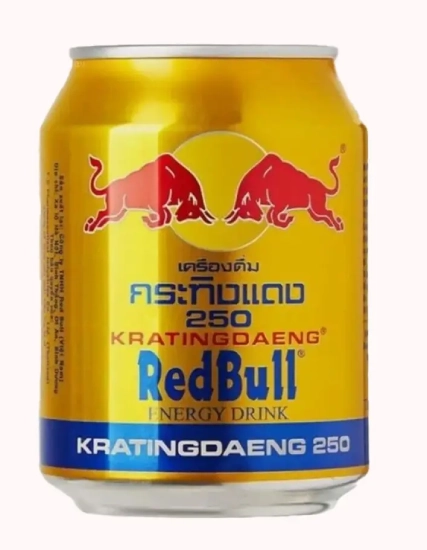
The early marketing was unconventional from day one. Rather than running television spots, Red Bull seeded the product in university bars and clubs, had brand ambassadors drive branded Mini Coopers around cities and let word of mouth do the heavy lifting. By the time Red Bull became widely available, it already felt like something you had to discover rather than something that was sold to you.
Monster
Monster launched in 2002 under Hansen Natural Corporation, now Monster Beverage Corporation. Where Red Bull entered with one SKU and one price, Monster came in swinging with a 16oz can at roughly the same price as Red Bull’s 8.4-oz can. The value proposition was immediately obvious: more drink, same money.
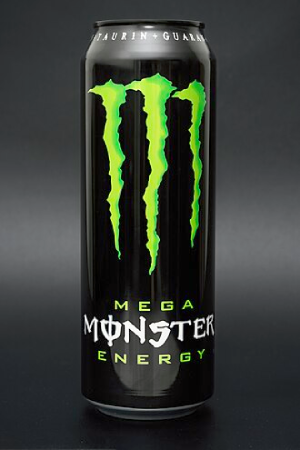
Monster’s early growth was quieter than Red Bull’s but equally deliberate. While Red Bull was chasing athletes and nightclubs, Monster was building deep roots in motocross tracks, skateparks and NASCAR pits, the grittier, louder corners of extreme sports culture that Red Bull had not fully claimed.
Verdict: Red Bull built mystique from the top down. Monster built loyalty from the ground up.
Core Philosophy
This is the most important difference between the two brands and the one that most competitor blogs completely miss.
Red Bull: Selling a lifestyle
View this post on Instagram
Red Bull’s entire brand is built around one idea: human achievement. Every piece of content, every sponsorship and every campaign connects back to the question of what human beings are capable of when they push their limits.
The product is almost incidental. Red Bull does not show you the can and tell you it tastes great. It shows you Felix Baumgartner jumping from the edge of space and lets you connect the dots yourself. The lifestyle branding is so complete that Red Bull events, films and athletes exist entirely independently of the drink. You can be a Red Bull fan without ever having tasted it.
Monster: Selling an identity
View this post on Instagram
Monster’s philosophy is the opposite. It does not want to inspire you to be something. It wants to reflect who you already are.
The Monster consumer is loud, unapologetic and loyal to a subculture — motorsport, metal music, gaming, UFC. Monster’s brand identity is a badge for people who feel like mainstream brands are not built for them. The claw mark logo is not aspirational. It is tribal.
Where Red Bull says, “look what humans can achieve,” Monster says, “we are built for people like you.”
| Red Bull | Monster | |
|---|---|---|
| Brand Promise | Human achievement | Tribal belonging |
| Emotional Trigger | Inspiration | Identity |
| Audience Relationship | Aspirational | Peer-level |
| Content Tone | Epic | Raw |
Verdict: Two completely different emotional territories. Red Bull owns aspiration. Monster owns belongings.
Sponsorship Strategy
Red Bull: Building ecosystems
Red Bull does not sponsor events. It builds them. It does not sponsor teams. It owns them.
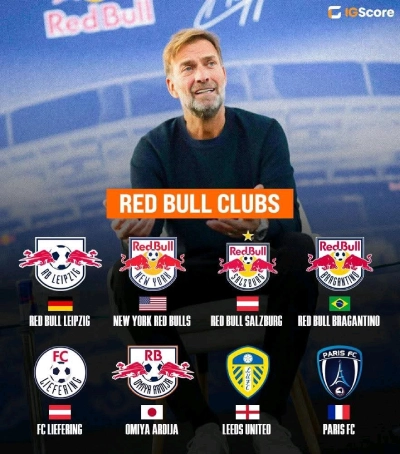
Red Bull Racing and Scuderia AlphaTauri in Formula 1. Red Bull Salzburg and RB Leipzig in football. Red Bull Batalla is the world’s largest freestyle rap competition. Red Bull Flugtag. Red Bull Rampage. Red Bull Crashed Ice.
Every single property Red Bull is attached to was either created by Red Bull or acquired and rebuilt under Red Bull’s creative direction. This is not sports sponsorship in the traditional sense. It is vertical integration of cultural capital.
The result: when you see Red Bull at an event, you cannot tell where the event ends and the brand begins. That is entirely intentional.
Monster: Surfing existing culture
Monster takes a completely different approach. Rather than building properties, it embeds itself in cultures that already have passionate audiences.
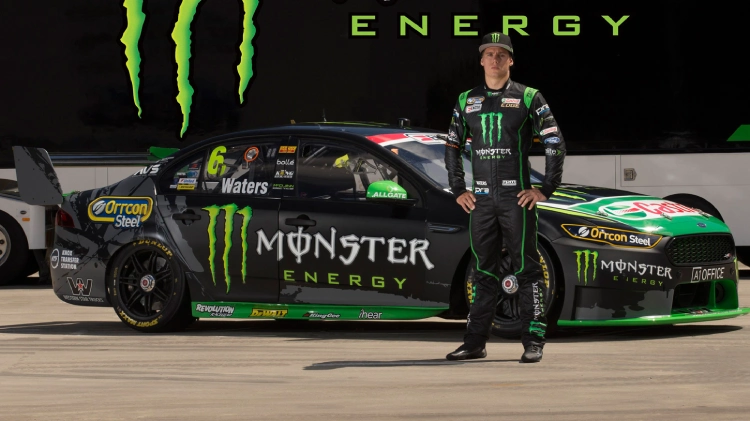
Monster sponsors NASCAR drivers, MotoGP teams, UFC fighters, esports organisations and metal music festivals. It puts its logo where its audience already is, rather than creating new destinations for them.
This approach costs significantly less than Red Bull’s model and reaches audiences with extreme precision. A Monster sticker on a NASCAR bonnet reaches exactly the kind of person Monster wants to reach, without the overhead of running a racing team.
Verdict: Red Bull’s model is harder to copy and builds deeper brand equity over time. Monster’s model is more efficient and more targeted. Both work — they just operate on completely different investment philosophies.
Red Bull Media House
This module deserves its own section because what Red Bull has built here is arguably the most remarkable brand content strategy in modern marketing history.
Red Bull Media House, launched in 2007, is a fully operational media company. It produces films, television programmes, music and digital content that is distributed globally, some of it on major streaming platforms, with no Red Bull branding in sight beyond the production credit.
Consider what this means. Red Bull created a media company so good that people consume its content without being sold to, and every piece of that content reinforces the brand’s association with human achievement and extreme performance.
The numbers bear this out. Red Bull’s YouTube channel has over 14 million subscribers. The Red Bull TV app is available on smart TVs globally. Films like “The Athlete Machine” and documentaries on their sponsored athletes have won independent awards.
Monster has no equivalent. Its content strategy is largely reactive, supporting athletes and events with social media coverage rather than producing original editorial content.
This is the single biggest strategic gap between the two brands in 2026. Red Bull has built a content moat that no amount of sponsorship spending can replicate quickly.
Verdict: Red Bull wins this round by a distance. Media House is not a marketing tactic. It is a structural competitive advantage.
Social Media and Digital
Red Bull
Red Bull’s social media is an extension of Red Bull Media House. Every post is a piece of content first and a brand message second. The Instagram grid looks like an extreme sports magazine. The YouTube channel runs long-form documentaries alongside short clips. Twitter is used for live event coverage and athlete moments.
The digital marketing strategy is consistent with the offline brand: show extraordinary things and let the association do the work. Red Bull rarely runs conventional product ads on social media. The product appears as a natural part of the athlete content rather than the hero of it.
Monster
Monster’s social presence is louder and more direct. Heavy use of athlete and creator content, event highlight reels and product shots with high-energy visual language. Its gaming vertical, Monster Gaming, has built a strong presence on Twitch and YouTube by sponsoring streamers and esports teams.
Monster has also been faster to adapt to short-form video. Its TikTok presence is more aggressive than Red Bull’s, and its creator partnerships skew younger, tapping into gaming and Gen Z subcultures that Red Bull has been slower to fully claim.
| Red Bull | Monster | |
|---|---|---|
| Instagram Feel | Editorial magazine | Energy-packed highlights |
| YouTube Strategy | Long-form documentaries | Event and athlete clips |
| TikTok Presence | Moderate | Aggressive |
| Gaming Content | Moderate | Strong |
| Tone | Cinematic | Loud and direct |
Verdict: Red Bull wins on brand depth. Monster wins on agility and Gen Z penetration. The gap is narrowing on social.
Pricing and Distribution
View this post on Instagram
Red Bull
Red Bull has always held a premium price point. A standard 250ml can costs more per ml than almost any competitor in the category. This is not an accident. From day one, Mateschitz priced Red Bull high deliberately to signal that it was not a soft drink.
Distribution follows a similar logic: selective in the early years, now broadly available but always maintaining shelf positioning that keeps it visually premium.
Monster: The Coca-Cola factor
In 2015, Monster struck one of the most significant distribution deals in FMCG marketing history. Coca-Cola acquired a 16.7% stake in Monster and handed over its entire energy drink portfolio in exchange for Monster’s juice business. In return, Monster gained access to Coca-Cola’s global distribution network across 200 countries.
This single deal is arguably the biggest strategic event in the energy drink category since Red Bull launched. Overnight, Monster went from a brand with strong US penetration to a product available in virtually every market Red Bull competes in, with Coca-Cola’s shelf relationships and logistics infrastructure behind it.
The result in 2026: Monster is genuinely competitive with Red Bull on distribution in most major markets for the first time in its history.
Verdict: Red Bull wins on pricing power and brand premium. Monster wins on distribution reach post the Coca-Cola deal. On pure commercial access, the gap has closed dramatically since 2015.
Visual Identity
Red Bull
The Red Bull can is one of the most recognised pieces of packaging design in the world. Slim. Silver. The two charging bulls in yellow and red on a blue circle. It has barely changed since 1987.
That consistency is a deliberate brand decision. In a category full of aggressive visual noise, Red Bull’s restraint makes it stand out. The brand’s visual identity across all touchpoints: events, content, and merchandise, is equally controlled. Clean typefaces. Bold photography. A colour palette that stays disciplined even when everything around it is chaotic.
Monster
Monster’s visual identity is the opposite philosophy. The black can with the green claw mark is instantly recognisable but the brand has expanded aggressively into sub-brands and flavour lines, each with its own visual identity: Reign, Ultra, Juice Monster, Monster Dragon Tea. The range now covers dozens of SKUs with packaging that ranges from matte black to neon pink.
This variety has commercial benefits — it allows Monster to occupy multiple shelf positions and appeal to different consumer preferences. But it also fragments the brand’s visual coherence. Walking down an energy drink aisle, Monster occupies a lot of shelf but does not have a single unified visual story the way Red Bull does.
Verdict: Red Bull wins on visual discipline. Monster wins on shelf presence and variety. Which matters more depends on whether you are building a brand or filling a fixture.
Head-to-Head Scorecard
| Category | Red Bull | Monster | Winner |
|---|---|---|---|
| Brand Philosophy | Lifestyle and achievement | Tribal identity | Draw |
| Sponsorship Model | Ecosystem builder | Culture surfer | Red Bull |
| Content Strategy | Media House | Social-first | Red Bull |
| Social Media Agility | Moderate | High | Monster |
| Distribution Reach | Strong | Very strong (post Coca-Cola deal) | Monster |
| Visual Identity | Highly disciplined | Varied and fragmented | Red Bull |
| Pricing Power | Premium | Mid-premium | Red Bull |
| Gen Z Relevance | Growing | Strong | Monster |
| Global Market Share | ~43% (Source) | ~39% (Source) | Red Bull |
Overall: Red Bull leads in brand equity. Monster leads on commercial agility.
What Brands Can Learn
Both Red Bull and Monster have built billion-dollar businesses using entirely different marketing philosophies. The lessons they offer are not about the energy drink category. They are about brand building in general.
Pick one emotional territory and own it completely
Red Bull owns achievement. Monster owns belongings. Neither brand tries to do both. The clarity of that choice is what makes both brands instantly recognisable even without a logo in sight. Most brands try to appeal to everyone and end up meaning nothing to anyone.
Your distribution deal is part of your brand strategy
Monster’s Coca-Cola partnership is not just a logistics decision. It is a strategic positioning move that changed how the brand is perceived globally. For growing brands, who distribute you and where you are stocked sends a signal about what kind of brand you are.
Content is not a campaign. It is infrastructure.
Red Bull Media House was not built to support a product launch. It was built to permanently associate the brand with a specific territory of human experience. The best content marketing is not seasonal. It compounds over time.
You do not need to outspend the market leader. You need to out-focus them.
Monster did not beat Red Bull by copying Red Bull. It found the audience’s Red Bull was undeserving and went all in. That focus — on motocross fans, gamers and UFC loyalists — built a loyalty that broader brands struggle to replicate.
In Conclusion
Red Bull and Monster are not really competing with each other. They are competing for two different versions of the same consumer — one who wants to be inspired and one who wants to be seen.
Red Bull wins on brand depth, content infrastructure and long-term equity. Monster wins on commercial efficiency, distribution muscle and Gen Z agility. In 2026, Red Bull still leads on market share, but Monster is closing the gap faster than at any point in the category’s history.
The real answer to who wins depends on what you are measuring. On brand prestige, Red Bull. On commercial momentum, Monster.
For brands watching from the sidelines, the more important question is not who wins. It is what you are willing to commit to — a philosophy or a community. Because the brands that endure are always the ones that knew the answer to that question before they ran a single ad.
If you are working on building that kind of strategic clarity for your own brand, that is
help brands find their corner and own it. Write to us at hello@florafountain.com.
Frequently Asked Questions

The founder and partner of Flora Fountain, Shefali leads the Content and Technology divisions. A one-time engineer who started her career writing front-end code, she took a detour sometime during her 9 years in New York, studied journalism and started writing prose, poetry and sometimes jokes. She now has 15...