


Walk into a FabIndia store and it does not feel like a regular clothing shop.
It feels like stepping into a familiar version of India, with earthy colours, handwoven fabrics, craft-led details and a quiet pride in everything Indian.
That is FabIndia’s real secret: cultural identity-led marketing.
Instead of selling only clothes, FabIndia sells a sense of belonging. It connects its products to Indian heritage, local craftsmanship, conscious living and the emotional pride people feel in their roots.
This was not just a design choice. It became a powerful brand strategy.
In this blog, we break down why FabIndia’s cultural identity-led marketing worked, what brands can learn from it and how you can apply similar thinking to your own business.
Table of Contents
- Who is Fabindia and Why Does Their Marketing Matter
- What is Cultural Identity-Led Marketing
- How Fabindia Built Its Cultural Identity (the Early Positioning)
- The Strategy Breakdown — Why It Worked
- The Diwali 2021 Controversy — What It Teaches About Identity-Led Branding
- Can Smaller Brands Replicate This Strategy?
- Practical Takeaways for Your Brand
- In Conclusion
- FAQs
Who is Fabindia and Why Does Their Marketing Matter
View this post on Instagram
FabIndia was founded in 1960 by an American Businessman, John Bissel, originally as an export business selling Indian handicrafts and home furnishings abroad. Over the decades, it transformed into one of India’s most recognised lifestyle brands, with apparel, home decor, organic food and personal care products all under one roof.
What makes FabIndia worth studying is not just what they sell. It is how they sell it.
While most fashion brands chase trends or borrow from Western aesthetics, FabIndia built its entire identity around Indian craftsmanship and culture. And it worked at scale, crossing ₹1,500 crore in annual sales while staying true to that core idea. (Source: CRISIL India)
What is Cultural Identity-Led Marketing
Cultural identity-led marketing is a strategy where a brand builds its entire personality, products and communication around a specific cultural identity, heritage or set of values, rather than around product features or pricing.
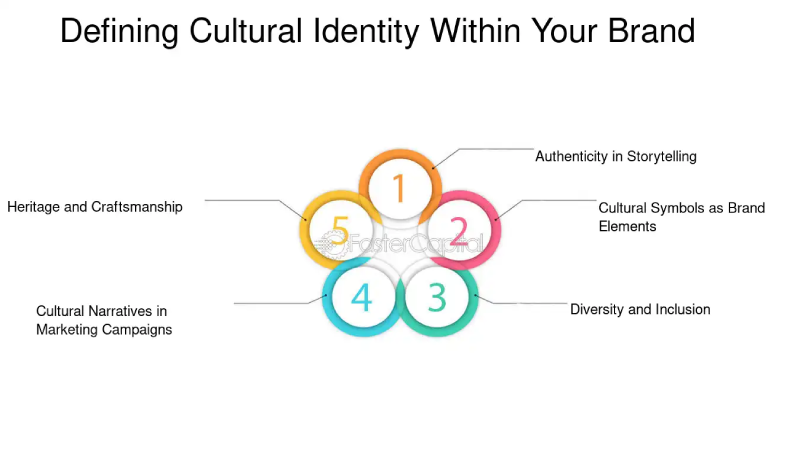
Source :Faster Capital
Instead of saying “buy this because it’s cheap” or “buy this because it’s trendy,” the brand says “buy this because it represents who you are.”
A few things separate this from regular branding:
- It taps into something the customer already believes in (pride, heritage, identity)
- It is harder for competitors to copy because it is built on years of consistency, not just a tagline
- It creates loyalty that goes beyond the product itself
FabIndia is one of the clearest examples of this in Indian retail.
How Fabindia Built Its Cultural Identity (the Early Positioning)
FabIndia did not become a cultural brand overnight. It built this identity in layers, over decades.
It entered the market at the right cultural moment
In the 1990s, India was opening up economically. A new urban middle class was forming and along with it came a quiet shift in mindset. Indian identity was becoming aspirational again, not something people wanted to move away from.
FabIndia entered domestic retail right at this turning point, when people were proud to wear and use things that felt distinctly Indian.
It refused to treat Indian craft as “ceremonial only”
Most ethnic wear brands in India position their products around weddings and festivals. FabIndia did something different. It made Indian textiles, kurtas and handcrafted home products part of everyday life, not just special occasions.
This single decision expanded their market massively. Instead of competing only during the wedding season, they became a brand people thought of all year round.
It built an ecosystem, not just a product line
FabIndia did not stop at clothing. Over time, they expanded into:
| Category | What It Reinforced |
|---|---|
| Apparel | Everyday Indian identity |
| Home furnishings | Indian aesthetic in daily living |
| Organic food | Natural, conscious lifestyle |
| Personal care | Holistic, values-driven living |
Each new category was not a random business expansion. It reinforced the same core belief: living with Indian roots is a complete lifestyle, not just a clothing choice.
The Strategy Breakdown — Why It Worked
Made “Indian” feel aspirational, not regressive
FabIndia’s leadership consistently communicated one belief: Indian consumers do not need Western validation for cultural expression. This was not just a tagline. It shaped every product decision they made.
By modernising silhouettes while keeping traditional techniques, they made heritage feel relevant to modern, urban life rather than old-fashioned.
Premium pricing without celebrity persuasion
FabIndia avoided two common shortcuts most fashion brands rely on:
- Discount-led pricing to drive volume
- Celebrity endorsements to drive desirability
Instead, they followed a value-premium pricing strategy. Priced above mass-market ethnic wear but below luxury labels, the price was justified by craftsmanship and ethical sourcing, not a film star’s face on a billboard.
This is a strategy that an experienced digital marketing agency in Ahmedabad would tell you is harder to execute but far more sustainable long-term.
Retail as a cultural experience, not just a store
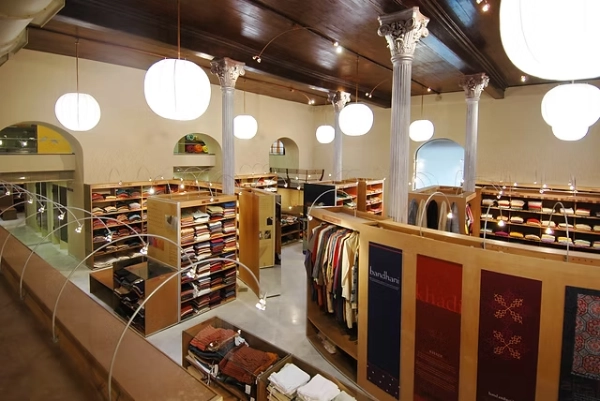
Walking into a FabIndia store is an intentional experience. Calm aesthetics, earthy materials and craft-led visual merchandising are not decoration. They are deliberate storytelling.
The stores were designed to feel like cultural spaces, not high-pressure sales environments. This builds trust and association in a way no advertisement can replicate.
Word of mouth over mass advertising
Unlike most fashion brands, FabIndia kept advertising minimal. Their growth relied far more on:
- In-store storytelling
- Word of mouth
- Subtle, values-driven communication
This is a strong example of how brand identity marketing can outperform aggressive ad spending when the underlying story is strong enough to spread on its own.
The Diwali 2021 Controversy — What It Teaches About Identity-Led Branding
In 2021, FabIndia ran a festive campaign using the phrase “Jashn-e-Riwaaz.” It received public criticism and the campaign was eventually withdrawn.
This moment is important to understand, not to criticise FabIndia, but to learn from it.
When a brand builds its entire identity around culture, it takes on a responsibility. Every word, image and campaign gets read symbolically, not just literally. What might feel like a small creative choice for one brand becomes a major cultural conversation for a brand positioned the way FabIndia is.
The lesson for any brand pursuing cultural identity marketing:
- The deeper your brand is tied to culture, the more scrutiny your messaging will face
- Cultural sensitivity needs to be reviewed as carefully as legal or financial risk
- One misstep does not erase years of brand equity, but it does demand quick, thoughtful response
Can Smaller Brands Replicate This Strategy?
Not every business has 60 years to build a brand like FabIndia. But the underlying principles are absolutely replicable at a smaller scale.
Here is what smaller and regional brands can take away:
- Pick one cultural or value-based identity and commit to it, instead of trying to appeal to everyone
- Let your product range expand around that identity, not around what is trending
- Invest in how your space looks and feels, whether that is a physical store or your website and social media
- Build trust through consistency, not through one-time viral moments
- Treat your community as participants in the story, not just customers buying a product
This kind of thinking is exactly what a good branding agency in Ahmedabad would build into a brand strategy for a regional or India-rooted business looking for long-term recall, not just a quick sales spike.
Practical Takeaways for Your Brand
If you are building or growing a brand and want to borrow from FabIndia’s playbook, here is a simple checklist:
- Define what cultural or value-based identity your brand genuinely represents
- Make sure every product or service decision reinforces that identity
- Avoid discount-led positioning if you want to be seen as premium
- Design your physical or digital space to reflect your brand’s story, not just your product catalogue
- Prioritise consistency over short-term viral campaigns
- Build a review process for culturally sensitive messaging before it goes live
These principles apply whether you are a fashion label, a food brand or a service business trying to build a distinct identity in your category.
In Conclusion
FabIndia’s success was never just about selling ethnic wear. It was about building an entire belief system around Indian identity and staying true to it for decades, even as the market around them changed constantly.
For any business owner or marketer, the real lesson is this: culture and identity, when used honestly and consistently, can build a brand that is far harder for competitors to copy than any product feature ever could.
If you are looking to build this kind of long-term brand strategy for your own business, working with the right digital marketing agency in Ahmedabad can help you translate your brand’s identity into a strategy that actually sticks. At Flora Fountain, we help brands find their story and build marketing around it that lasts. Write to us at hello@florafountain.com.
Frequently Asked Questions

The founder and partner of Flora Fountain, Shefali leads the Content and Technology divisions. A one-time engineer who started her career writing front-end code, she took a detour sometime during her 9 years in New York, studied journalism and started writing prose, poetry and sometimes jokes. She now has 15...