

The FIFA World Cup is advertising’s biggest stage. Every four years, brands spend months, sometimes years, building campaigns that need to land in a matter of weeks. Some get it right. Most don’t.
We’ve ranked the 10 greatest World Cup marketing campaigns of all time, from 10 to 1. This isn’t a nostalgia trip. Each entry comes with a quick breakdown of why it worked and what brands today can learn from it.
Whether you’re planning your own World Cup tie-in or just love a good campaign breakdown, this one’s for you.
Table of Contents
- 10. Coca-Cola — The World’s Cup (2014)
- 9. Samsung — Galaxy 11
- 8. Mastercard — Priceless World Cup Activations
- 7. Paddy Power — Ambush Marketing Stunts
- 6. LEGO — Everyone Wants a Piece (2026)
- 5. Nike — The Last Game
- 4. Beats by Dre — The Game Before the Game (2014)
- 3. Adidas — Backyard Legends (2026)
- 2. Nike — Rip the Script (2026)
- 1. Nike — Write the Future (2010)
- Conclusion
- FAQs
10. Coca-Cola — The World’s Cup (2014)
Coca-Cola built its 2014 campaign around one global anthem, “The World is Ours,” and dozens of localised films for different countries. Each version showed everyday people telling their own football story.
Why it worked: Coca-Cola took one global theme and made it feel personal in every market. The song became the soundtrack of the tournament, while the local films gave each country its own version of the story.
Most brands either go global and feel generic or go local and lose scale. Coca-Cola did both at once, and that balance is what made it work.
The impact: It made Coca-Cola feel like the “people’s sponsor” of the World Cup by focusing on inclusivity, real fans, and football as a global connector. The campaign was rolled out across 175+ markets with local music versions, giving it massive cultural scale.
9. Samsung — Galaxy 11
Samsung’s Galaxy 11 turned the World Cup into a sci-fi football spectacle, where Messi, Ronaldo, Rooney, Casillas and other global stars joined forces to save Earth from aliens. Built around the Galaxy S5, Gear 2 and Fit, the campaign blended celebrity, entertainment, gaming, product demos and fan activations into one massive football universe.
Why it worked: Samsung didn’t just make a football ad; it created a full fictional world. The brand used the universal appeal of football and the scale of its superstar cast to make technology feel exciting, futuristic and part of the game itself. Instead of showing product features in isolation, Samsung embedded them into training, performance and fan participation. It was less of a commercial and more of a branded entertainment franchise.
The impact: The campaign helped Samsung own a huge share of World Cup conversation without being the official football brand. Its videos crossed 110 million views during the campaign, while mobile games, World Tour activations and Galaxy device integrations turned the idea into a multi-platform fan experience.
8. Mastercard — Priceless World Cup Activations
View this post on Instagram
As a long-time FIFA sponsor, Mastercard built its presence around the “Priceless” platform, giving fans access to experiences money typically can’t buy: meet and greets, stadium tours and behind-the-scenes moments with players.
Why it worked: Mastercard understood something most sponsors miss. Nobody cares about a logo on a billboard. They care about what a brand can get them. By turning sponsorship into access, Mastercard made itself part of the fan experience instead of background noise. That’s the difference between visibility and value. A logo gets seen and forgotten. An experience gets remembered and talked about. For any brand sponsoring a big event, that’s the real lesson.
The impact: Mastercard’s World Cup work strengthened “Priceless” by turning sponsorship into memorable experiences, not just logo visibility. Activations around football, fan access, and social-good projects helped the brand own emotional value over transactional value.
7. Paddy Power — Ambush Marketing Stunts
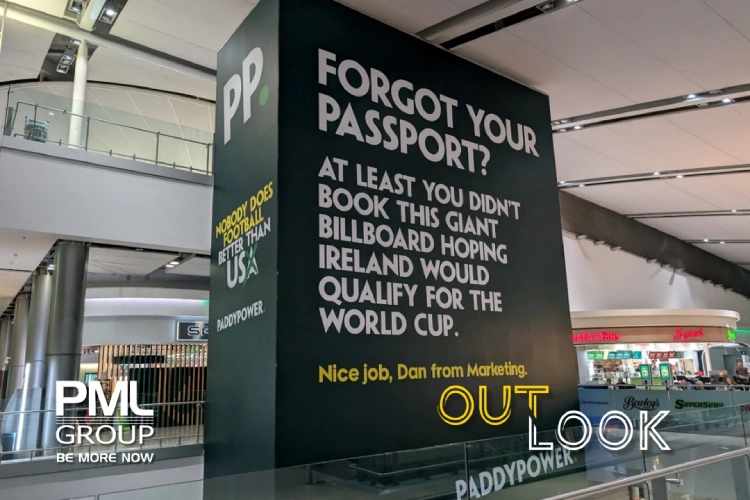
Paddy Power isn’t an official World Cup sponsor and that’s exactly the point. The betting brand has built a reputation for cheeky, headline-grabbing stunts timed around major tournaments, from fake sponsorships to banner planes.
Why it worked: Paddy Power proved you don’t need an official badge to dominate the conversation. While official sponsors play it safe, Paddy Power plays it loud. Every stunt is built for one thing: media pickup. It works because journalists and fans both love a brand that doesn’t take itself too seriously. For challenger brands without sponsorship budgets, this is the playbook. Be bold, be funny and be impossible to ignore. Just keep your legal team on speed dial.
The impact: Paddy Power’s impact came from controversy and earned media; its stunts often generated attention far beyond the actual media spend. The brand became known for hijacking major sporting moments with cheeky, legally risky visibility.
6. LEGO — Everyone Wants a Piece (2026)
View this post on Instagram
For the 2026 World Cup, LEGO brought together Messi, Ronaldo, Mbappé and Vinícius Jr to build a LEGO version of the World Cup trophy, ending with a child completing it.
Why it worked: LEGO didn’t just borrow star power; it used it the right way. The biggest names in football came together for something low-stakes and joyful, and the ending brought it back to LEGO’s actual audience: kids. The campaign crossed 300 million views in 24 hours, mostly because the players posted it themselves. When your campaign is good enough that the talent wants to share it, you’ve cracked the code. That’s earned distribution, and it’s worth more than any media buy.
The impact: LEGO smartly turned World Cup fandom into collectability, using Messi, Ronaldo, Mbappé, and Vini Jr. to promote buildable FIFA World Cup sets. The impact is strong product-world fit: fans don’t just watch the tournament; they can literally own and build a piece of it.
5. Nike — The Last Game
Ahead of the 2014 World Cup, Nike released an animated short film where clones of football’s biggest stars, Ronaldo, Neymar, Rooney, Iniesta and more, try to take over the sport by playing it safe. The real players have to bring unpredictability back to the game.
Why it worked: Nike took a risk most brands wouldn’t, ditching live action entirely for animation, and it paid off. The story worked as a metaphor for Nike’s “Risk Everything” message: predictable football is boring football. By exaggerating the idea with clones and cartoonish villains, the film made its point without ever feeling like a lecture. It also stood out instantly in a sea of live-action World Cup ads. Sometimes the boldest creative choice isn’t the message; it’s the medium you choose to tell it in.
The impact: It turned Nike’s “Risk Everything” idea into a cinematic, animated football story about creativity beating safe, robotic perfection. The film helped Nike dominate World Cup conversation, with the wider campaign crossing 400 million digital video views and becoming Nike’s strongest social campaign at the time.
4. Beats by Dre — The Game Before the Game (2014)
This five-minute film showed footballers’ pre-match rituals, headphones on, in their own world, before the 2014 World Cup. It became so culturally dominant that FIFA banned non-sponsor headphones in stadium tunnels afterwards.
Why it worked: Beats by Dre wasn’t even an official sponsor, yet it became part of the pre-match ritual in the public imagination. The film tapped into something real: the quiet, personal moment before a huge public event. It made a product feel like part of an athlete’s identity, not an accessory. The fact that FIFA had to step in with a rule is the ultimate proof of impact. When your ad changes how an organisation regulates its own event, you’ve won the room.
The impact: Beats owned the emotional pre-match ritual space, showing how athletes and fans mentally prepare before the game. It made headphones feel like part of football culture and gave the brand huge credibility without being an official FIFA sponsor.
3. Adidas — Backyard Legends (2026)
Adidas’s 2026 World Cup film put Messi, Bellingham, Yamal and Timothée Chalamet on a neighbourhood pitch, playing the kind of street football match every fan grew up with, with AI versions of legends like Beckham and Zidane woven in.
Why it worked: While other brands went big and glossy, Adidas went small and personal. A backyard pitch is something everyone can relate to, whether or not they’ve ever played professionally. By placing global superstars in that setting, Adidas closed the gap between the fan and the icon. The story did the heavy lifting, not the spectacle. This is proof that storytelling still wins, even in a year full of meta-ads and AI-driven campaigns.
The impact: Adidas created early standout buzz with a star-heavy, cinematic football story that mixed nostalgia, celebrity, and grassroots energy. It helped Adidas defend its World Cup authority as official sponsor while making the campaign feel entertaining, not corporate.
2. Nike — Rip the Script (2026)
Nike’s six-minute film for the 2026 World Cup breaks the fourth wall, with over 30 players and cultural figures taking over a Hollywood-style set and tearing apart the script the brand had written for them.
View this post on Instagram
Why it worked: Nike turned the making of the ad into the ad itself. In a year where audiences are tired of polished, AI-perfect content, Nike showed the seams on purpose. It felt rebellious, self-aware and shareable. The campaign sparked conversations not just about football but about advertising itself, which is rare. When your ad becomes the topic of conversation in marketing circles and football circles at the same time, you’ve made something genuinely culture-shifting.
The impact: Nike used the campaign as a major brand-revival play, bringing back its bold World Cup storytelling style with athletes, celebrities, and a meta ad-film format. Early impact is strong visibility and cultural conversation, though analysts say it may not be enough alone to fix Nike’s wider sales challenges.
1. Nike — Write the Future (2010)
Released for the 2010 World Cup, this short film followed Wayne Rooney’s missed penalty spiralling into alternate futures across the globe, before the timeline rewound and he scored instead.
Why it worked: This is the campaign that proved a World Cup ad could be cinema. It had the scale of a movie, the tension of real sport and an emotional structure that mirrored how fans actually feel watching a match, one moment deciding everything. Over a decade later, brands are still chasing the bar this ad set. Every meta-ad, every emotional World Cup film, every “moment that changes everything” campaign owes something to this one. That’s what makes it the GOAT.
The impact: It became one of the most iconic football ads ever by dramatising how one World Cup moment can change a player’s legacy. The campaign gave Nike massive cultural dominance around the tournament despite Adidas being the official FIFA sponsor.
Conclusion
Every campaign on this list did one thing well: it understood its audience before it understood the World Cup. The football was just the stage. The real story was always about people, their rituals, their nostalgia, their humour and their hopes.
If you’re a brand looking to build a campaign with that kind of impact, whether tied to the World Cup or any other big cultural moment, that’s exactly the kind of thinking a good branding agency brings to the table.
As a prominent digital marketing agency in Ahmedabad, Flora Fountain helps brands build campaigns rooted in real insight, not just trends. Want to talk through your next big idea? Write to us at hello@florafountain.com.
Frequently Asked Questions

Vasim Samadji is a partner at Flora Fountain, where he leads the Business and Marketing Strategy divisions. In a world where everyone is used to sugarcoating, his directness is often considered rude. But that shouldn't be a problem if you like the no-nonsense approach. Because he is a seasoned professional...