


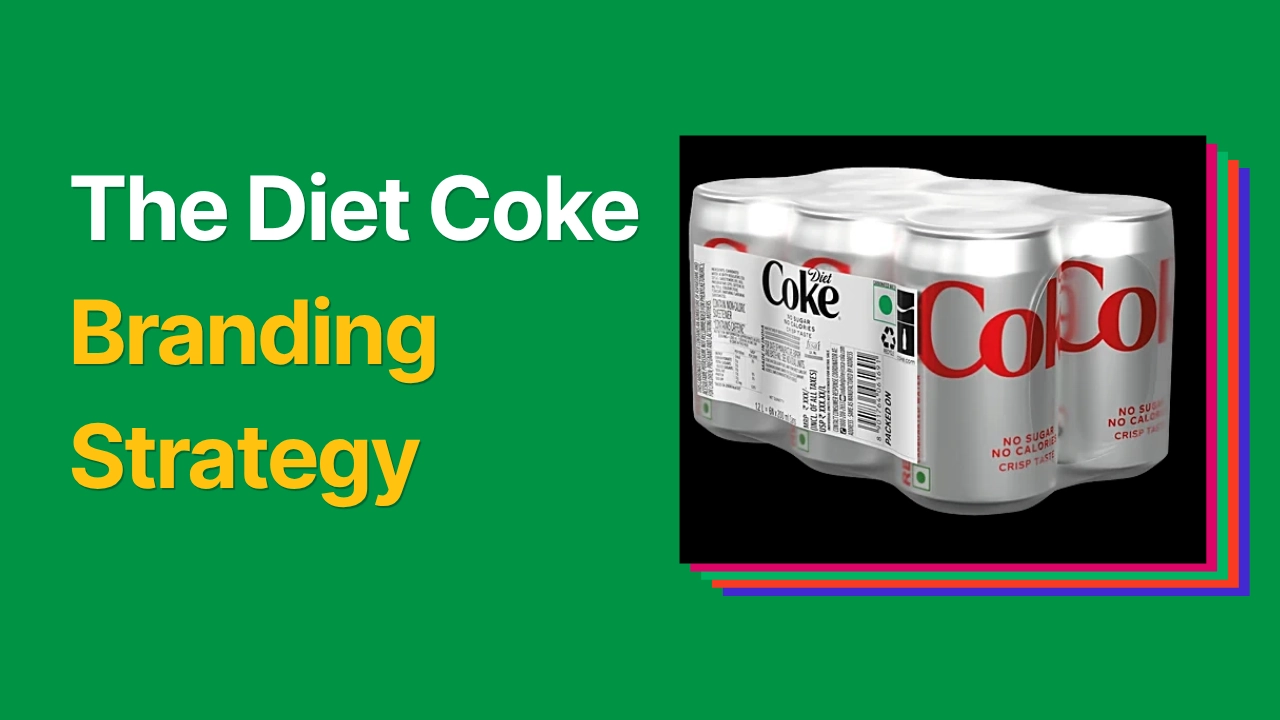
Open Blinkit. Search Diet Coke. Zero results.
Open Zepto. Same story.
Since mid-April 2026, a massive aluminium supply chain failure has wiped Diet Coke off Indian shelves. Empty cart screenshots flooded Instagram. “Found one can” posts were treated like treasure discoveries.
But here is the detail that matters: When a mass-market product runs out, consumer psychology dictates that people should simply buy the closest alternative. That is how FMCG works, right?
But the Diet Coke “paglus” did not replace the drink. They mourned it.
And that, right there, is the most interesting marketing story of the year. And as an experienced digital marketing agency, we think it is our responsibility to propagate this story to everyone.
Table of Contents
- What Actually Happened?
- How the Internet reacted to the Diet Coke Crisis
- What Makes Diet Coke Irreplaceable?
- How Diet Coke Became a Personality
- The Packaging Strategy of Diet Coke
- Coca-Cola’s Genius Strategy to Tackle the Crisis
- What Brands Must Learn From Diet Coke
- Conclusion
- FAQs
What Actually Happened?
The shortage was not manufactured. It was not a Heinz-style fake scarcity stunt. It was a genuine, messy, multi-layered supply chain failure.
View this post on Instagram
The 2026 Aluminium Shortage
- The Regulation Bottleneck: In 2025, the Indian government made new quality certifications (BIS) mandatory for aluminium cans. This heavily slowed down both domestic production and overseas imports.
- The Global Price Hike: By early 2026, international shipping disruptions caused the global price of aluminium to surge by nearly 20%.
- The Packaging Trap: Why did this hurt Diet Coke more than regular colas? In India, Diet Coke relies almost entirely on the iconic silver can. Other brands could easily pivot to plastic bottles or glass. Diet Coke had no backup plan. When the cans ran out, the product ceased to exist.
That is the factual, supply-chain explanation. But as an experienced digital marketing agency, the supply chain math is honestly the least interesting part of this story.
How the Internet reacted to the Diet Coke Crisis
Normal consumer behaviour when a product is unavailable: shrug, pick something else, move on.
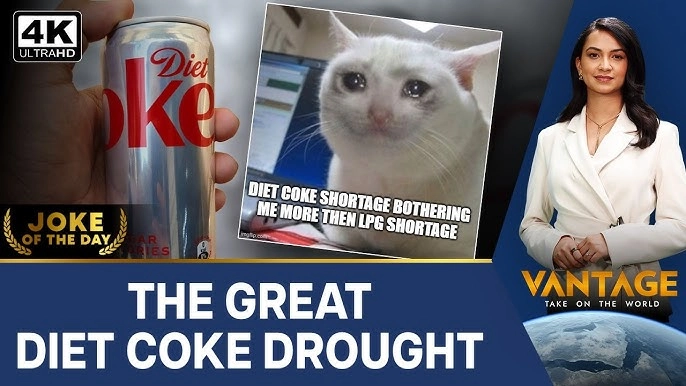
Credits: Firstpost
Diet Coke consumer behaviour when it was unavailable: post about it, meme about it, search for it across five apps, film the empty shelf, upload the empty shelf, get thousands of likes on the empty shelf.
Instagram Reels documenting empty fridge slots, multiple failed app searches, and city-wise availability checks gained traction across feeds.
View this post on Instagram
Creators such as Viraj Ghelani and several lifestyle and wellness-focused accounts reframed the issue as an everyday urban inconvenience rather than a brand failure. The tone remained observational and humorous, allowing the content to travel across Gen-Z dominated feeds without triggering complaint fatigue
Nobody was angry at Diet Coke. They were just… sad. And then funny about being sad. This is a very specific kind of emotional response that only happens when a brand has genuinely earned a place in someone’s daily life.
The shortage did not damage Diet Coke’s reputation. It advertised it. For free. To millions of people. That is not luck. That is the result of decades of very deliberate brand building, finally showing its return.
What Makes Diet Coke Irreplaceable?
This is the real question.
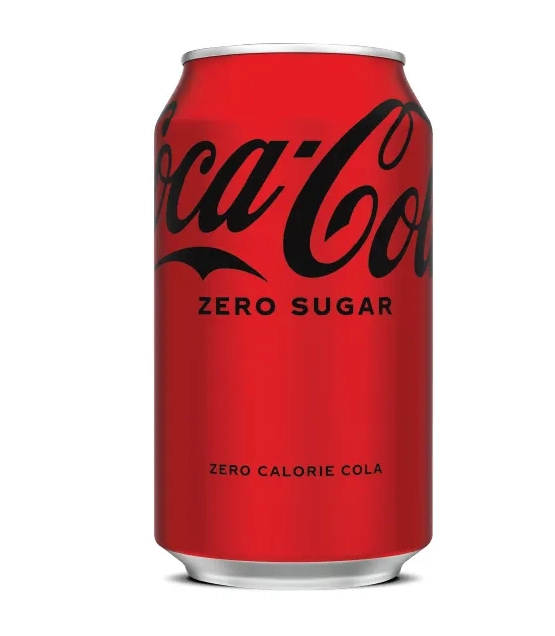
Think about it practically. There are plenty of zero-sugar fizzy drinks available in India. Coke Zero is made by the same company. Pepsi Black exists (Although it should not). There are a growing number of healthier alternatives on the market.
If Diet Coke were just a functional beverage, people would have switched without a second thought.
But they did not switch. They instead posted about missing it. But why?
The cultural relevance
For many consumers, Diet Coke was not just a beverage. It had become a personality signal.
Something you hold, post, and associate with your lifestyle. When such products disappear, the reaction becomes emotional. People were not just missing a drink. They were missing a ritual.
That is the line that matters. Missing a ritual.
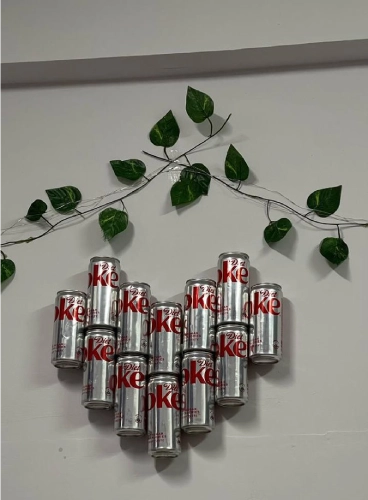
Diet Coke vs other diet sodas
Rerouting to the same question we asked earlier, why not just drink any other diet soda?
View this post on Instagram
Because Diet Coke and other diet sodas are competing in entirely different psychological categories.
- Coke Zero is Functional: Its entire marketing proposition is “Zero Sugar, Same Great Taste.” It was created to mimic the exact taste of original Coca-Cola, originally targeting a demographic that wanted regular Coke without the guilt.
- Pepsi Black is Edgy: It leans heavily into a bold, Gen-Z, gaming-centric, and highly energetic visual identity.
Red Bull is…Red Bull: Red Bull does not compete on taste; most people would agree it’s an acquired one. It competes on efficacy. It is positioned for “grind culture” for the student, the gamer, or the corporate executive.
How Diet Coke Became a Personality
God graced humanity with Diet Coke in 1982.
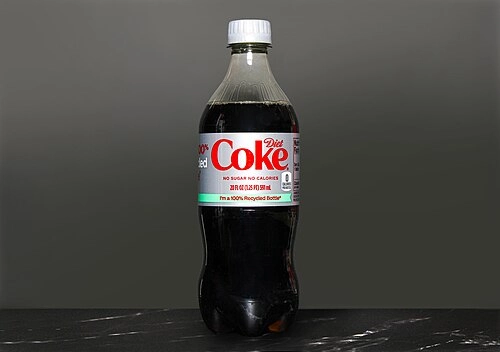
It was originally marketed almost entirely to women who were concerned with their weight. The ads were glamorous, the messaging was aspirational, and the product was positioned as the smart, sophisticated choice for women who wanted the pleasure of a Coke without the calories.
One of the most iconic campaigns was the “Diet Coke Break” series, which began in 1994. It featured women pausing their workday to watch an attractive man through an office window, with a Diet Coke in hand. The campaign made Diet Coke synonymous with a certain kind of feminine confidence and pleasure.
That was the first version of the brand identity. Bold. Self-assured. A little cheeky.
Now, Diet Coke has become emblematic of modern office culture.
Then came the Gen Z moment. Coca-Cola’s Diet Coke ad “Drink What Your Mama Gave Ya” told a story of how young consumers are copying everything their mums did and wore in the past. The hook was simple: your mum did it all first, and she did it with a Diet Coke in her hand.
It made the brand feel like a handover rather than a hard sell.
A good branding agency will tell you the same thing: the strongest brands do not reinvent themselves for every new generation. They find the thread that connects generations and pull on it.
The Packaging Strategy of Diet Coke
Here is something most people have not consciously noticed but have absolutely felt.
The Diet Coke can is one of the most photographed consumer products on the internet.
Think about it. It sits beautifully in flat lays. It looks good next to a MacBook. It photographs well in natural light. It has a specific aesthetic that other beverage cans simply do not have.
This is not an accident. This is branding 101.
View this post on Instagram
The Diet Coke packaging, particularly its iconic silver can, is designed to feel like a “lifestyle accessory” rather than just a soda container. Its sleek, minimalist aesthetic has transformed the drink into a cultural badge associated with sophistication and modern style
The can works because of everything else built around it.
View this post on Instagram
The colour. The typography. The attitude of the campaigns. The kinds of people who have been photographed holding it over the years.
Coca-Cola’s Genius Strategy to Tackle the Crisis
The genius lies in the details. The details: Coca-Cola did not do anything. They remained silent.
And silence, used correctly, is one of the most powerful brand tools available.
When the shortage began trending across social media, Coca-Cola India did not issue a press release. They did not post a reassuring message on Instagram. They did not send a sorry email to their subscribers. They did not put a banner on their website explaining the situation.
They said nothing. And the internet kept talking.
Coca-Cola did not release statements or explanations. Instead of reducing attention, this silence increased it. Consumers started creating their own narratives. Every meme, reel, and tweet kept the brand in conversation. When a brand has emotional equity, consumers become the PR team.
Why this worked?
Silence only reads as confidence when the audience already trusts you. If a smaller, less established brand had gone quiet during a product shortage, it would have looked like negligence or incompetence. Customers would have filled the silence with suspicion and frustration.
Diet Coke could go quiet because the brand’s history did the talking for them. Forty years of consistent identity, strong emotional associations, and genuine cultural relevance meant that the silence felt calm rather than careless.
This is the kind of long-game thinking that most brands do not invest in until they need it. And by then, it is too late to build it. The trust that allowed Coca-Cola to stay silent in April 2026 was built across four decades of showing up consistently.
For a digital marketing agency that has advised clients on crisis communication in the past, the Diet Coke playbook offers a lesson that feels counterintuitive but is actually very logical: the brands that have earned the most trust have the most freedom to stay quiet when things go wrong.
What Brands Must Learn From Diet Coke
Ask yourself these questions:
- If your product disappeared tomorrow, would your customers post about it?
- Would they search for it across multiple platforms before giving up?
- Would they make memes about missing it?
- Or would they just quietly switch to the next option?
The answer to those questions is the truest measure of your brand equity. Not your follower count. Not your engagement rate. Not your NPS score.
If people did not care about Diet Coke before the shortage, empty shelves would have simply sent them to the next option.
This is the principle that every brand should think about honestly.
Conclusion
The Diet Coke shortage of April 2026 was a supply chain problem. Not a PR strategy. How do we know? PR strategies are used by culturally irrelevant brands to get some limelight.
Diet Coke, itself, is the limelight.
But what the shortage revealed had nothing to do with supply chains.
It revealed that Diet Coke has built something that most brands spend their entire existence chasing and never quite reaching: a product that people feel something for. Not just use. Not just consume. Actually feel something for.
That is not a product. That is a phenomenon.
Frequently Asked Questions

The founder and partner of Flora Fountain, Shefali leads the Content and Technology divisions. A one-time engineer who started her career writing front-end code, she took a detour sometime during her 9 years in New York, studied journalism and started writing prose, poetry and sometimes jokes. She now has 15...