



“Indranagar ka gunda hu mai!”
Most fintech companies spend their time talking about interest rates, secure transactions, and financial planning.
Cred decided to do something completely different. Instead of acting like a bank, they started acting like a production house. From making legendary cricketers scream in Bengaluru traffic to turning 90s boy bands into a viral sensation, Cred has become a cultural phenomenon.
However, there is a massive paradox at the heart of their success. While almost every internet user in India has seen and shared a Cred advert, a significant portion of them still cannot explain exactly what the app does. This creates a fascinating case study for a branding agency that has been in the business for a long time now.
How do you build a brand that everyone loves, even if the product integration remains a mystery? Let’s see how nostalgia marketing works, and what happens when a brand prioritises “the vibe” over the value proposition.
Table of Contents
- What is Cred?
- The Velvet Rope Strategy
- Cred’s Advertising Strategy
- The Power of Nostalgia Marketing
- The Product Integration Issue
- Financial Reality of Cred’s Marketing Strategy
- What Should Brands Learn From Cred?
- Conclusion: Is the Strategy Sustainable?
- Frequently Asked Questions (FAQs)
What is Cred?
Launched in 2018 by Kunal Shah, Cred is a high-end fintech platform designed specifically for credit card users. Unlike most financial apps that focus on the “masses,” Cred focuses on the “classes.”
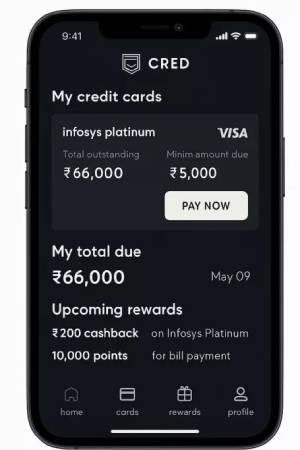
The app serves as a central dashboard where users can manage multiple credit cards, track their spending, and pay their bills. To keep users engaged with what is typically a mundane task, Cred uses a reward-based system. Every time you pay a bill, you earn “Cred Coins” which can be redeemed for exclusive deals, luxury products, and travel experiences.
However, there is a catch. You cannot simply download the app and start using it. This brings us to the core of their brand identity: the strict barrier to entry that defines their entire user experience.
The Velvet Rope Strategy
Most apps want as many users as possible. Cred took the opposite approach. By restricting access to users with a credit score of 750 or higher, they created an immediate sense of exclusivity. This is known as the “Velvet Rope” strategy.
View this post on Instagram
When you tell someone they cannot have something, they want it more. By positioning the app as a club for the “trustworthy” and “successful,” Cred turned a boring financial utility into a status symbol. People began sharing their successful sign-up screens on social media, providing the brand with massive amounts of free, organic marketing.
Cred’s Advertising Strategy
View this post on Instagram
In the age of ad blockers and “Skip Ad” buttons, Cred managed to make people actually search for their commercials. They achieved this by leaning into total absurdity.
Their adverts do not look like adverts. They do not have a voiceover telling you to “Download now.” Instead, they use “Persona Subversion.
Seeing the famously calm Rahul Dravid have a mental breakdown in a car or seeing Olympic champions acting like toddlers is a pattern interrupt.
It stops the scroll because it is unexpected and genuinely funny. Cred understood that to reach an audience that hates being sold to, you must first entertain them.
Sponsoring IPL
CRED invests heavily in massive visibility events, particularly the Indian Premier League (IPL), to achieve “brand saturation”.
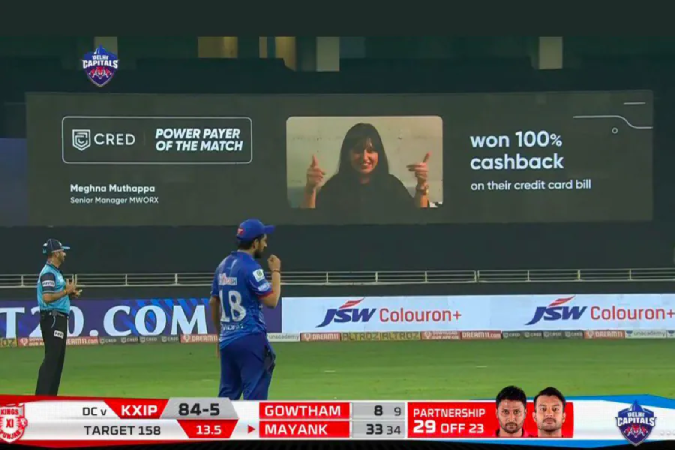
Targeted Placement: By leveraging HD feeds and high-viewership moments like Powerplay overs, CRED filters for its affluent, tech-savvy audience who are more likely to own credit cards.
Gamified Rewards: During these events, they launch high-value contests like the Mega Jackpot, offering prizes such as Bitcoin, Harley-Davidsons, or iPhones for a decade to drive immediate app engagement
The Power of Nostalgia Marketing
Cred is a master of the “90s throwback.” Their “Great for the Good” campaign specifically targeted millennials by featuring icons from their childhood.
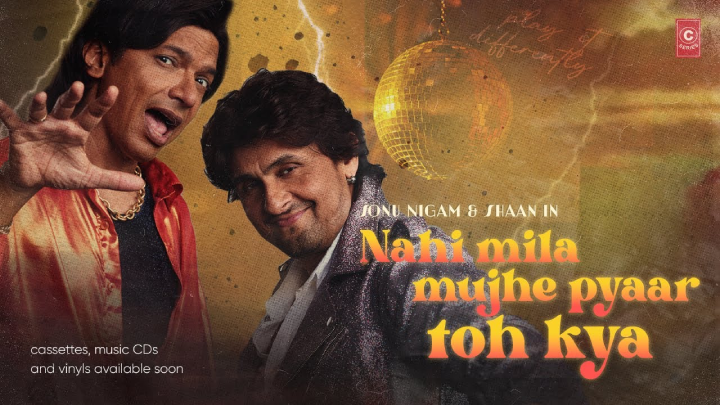
By bringing back 90s cricketers, actors, and even singers in self-deprecating roles, Cred triggered a powerful emotional response.
Nostalgia is a potent marketing tool because it creates an instant bond of trust. When a brand reminds you of a simpler, happier time in your life, you subconsciously transfer those positive feelings to the brand itself. It is not about credit card bills; it is about the feeling of being a kid again.
The Product Integration Issue
This is where the strategy becomes controversial. In a traditional marketing funnel, the advert is supposed to lead the user to the product. With Cred, the link is often incredibly thin.
The viral “Indiranagar ka Gunda” ad was brilliant, but did it explain why I should pay my credit card bill through Cred? Not really.
Many Critics and industry experts highlight several downsides to CRED’s cryptic advertising:
- Poor Product Clarity: Many viewers are entertained by the ads, but remain unclear on what the app actually does beyond paying credit card bills.
- Disconnect Between Buzz and Growth: Despite viral success, user growth has plateaued for periods, suggesting that “virality” isn’t always converting into a “need” for the product.
- User Confusion in-App: The “glossy” and minimalist design that matches the ads can make the actual app hard to navigate. Users often find it difficult to locate specific features after a redesign.
- Failed Early Attempts: CRED actually tried “explainer” videos (like the one with Jim Sarbh in 2019) to simplify the concept, but they received a lukewarm response compared to the viral, absurdist ads
When the ad is so much better than the product, the user can feel a sense of “all sizzle and no steak.” A professional digital marketing agency ensures that the creative “hook” eventually leads to a functional “habit.”
Financial Reality of Cred’s Marketing Strategy
While Cred wins advertising awards and dominates social media, its financial realities tell a very different story. The disconnect between their viral fame and actual profitability is becoming impossible to ignore.
Here is why investors are starting to worry:
- The Valuation Crash: Cred recently saw its valuation slashed dramatically, plummeting from its peak of $6.4 billion down to roughly $3.5 billion. This massive markdown is a glaring signal of market scepticism. (Source: Forbes India)
- The Cost of “Cool”: Those star-studded, nostalgic adverts cost a fortune. Cred built an undeniably cool brand, but they acquired those users at an astronomically high cost.
- The Monetisation Struggle: The velvet rope strategy brought in highly affluent users. However, this privileged group is notoriously hard to extract profit from. They pay their bills on time and rarely need the high-interest personal loans that Cred is desperately trying to cross-sell.
The Bottom Line: This serves as a cautionary tale for brands. You can dominate social media trends and hire the biggest celebrities in the country. However, clever marketing can only buy you attention. It cannot replace a profitable business model indefinitely.
What Should Brands Learn From Cred?
Any D2C brand that works with a prominent digital marketing agency, looking at Cred, will notice their mastery of “Moment Marketing.”
Cred does not just release an ad; they own the conversation. They release behind-the-scenes clips, they interact with other brands on social media, and they create Twitter threads that keep the momentum going for weeks after the initial launch.
They understand that a 30-second film is just the beginning of a digital campaign, not the end.
Conclusion: Is the Strategy Sustainable?
Cred has successfully built one of the most recognisable brands in modern India. They have proven that you can win the attention of an ad-fatigued audience by being bold, funny, and exclusive. However, as the brand matures, the focus will eventually have to shift from “the vibe” to “the value.”
For now, Cred remains a brilliant example of how to build a brand that people talk about at dinner parties, which is the ultimate dream for any marketer.
Frequently Asked Questions

Vasim Samadji is a partner at Flora Fountain, where he leads the Business and Marketing Strategy divisions. In a world where everyone is used to sugarcoating, his directness is often considered rude. But that shouldn't be a problem if you like the no-nonsense approach. Because he is a seasoned professional...