


“This new Sandwich shop is totally worth a try, man!”
Imagine launching a product and having your customers do all the selling for you. In a world where consumers are constantly bombarded with sponsored posts, pop-ups, and unskippable videos, traditional advertising is slowly losing its impact. People are actively installing ad blockers and skipping commercials.
However, there is one marketing channel that completely bypasses these barriers: Word of Mouth.
When a trusted friend recommends a product, the conversion rate skyrockets.
While it might seem like pure luck when a brand goes viral through customer chatter, the reality is that the smartest companies actively engineer this phenomenon in collaboration with an experienced social media marketing agency.
In this guide, we will explore exactly how word-of-mouth marketing works today. We will analyse six global brands that built empires purely through customer conversations, and we will show you how to apply these same growth engines to your own business.
Table of Contents
- What is Word of Mouth Marketing?
- Why Do People Trust People More Than Adverts?
- Brands That Grew Purely Through People Talking
- How Can You Engineer Word of Mouth for Your Brand?
- Why You Need an Agency to Spark the Conversation
- Conclusion
- Frequently Asked Questions (FAQs)
What is Word of Mouth Marketing?
Historically, Word of Mouth Marketing (WOMM) was exactly what it sounds like. It was a conversation over the garden fence or a recommendation given at a dinner party.
Key Aspects of Word of Mouth Marketing:
- Trust & Authenticity: Over 88% of consumers trust recommendations from friends and family over branded advertising.
- Organic vs. Amplified: It can occur naturally (organic) when customers are thrilled with a product, or be amplified by brand strategies
- Digital Reach: Social media, online reviews, and user-generated content (UGC) allow positive word of mouth to spread rapidly beyond immediate social circles.
- Impact: It drives higher sales and builds stronger brand loyalty by leveraging existing customer enthusiasm
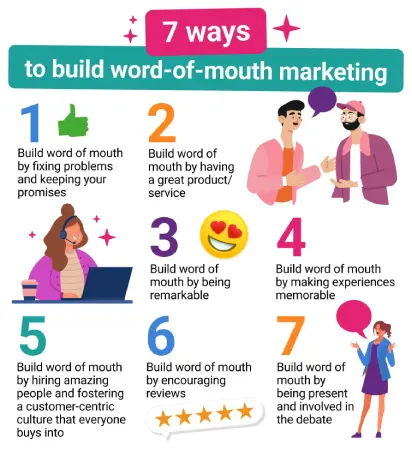
Today, the concept has evolved. Digital word of mouth happens in public comment sections, via Instagram and YouTube review videos, and most importantly, in “Dark Social“.
Dark Social refers to the private sharing of links and recommendations through direct messages, WhatsApp group chats, and private emails. It is highly untrackable, incredibly fast, and exponentially more powerful than a physical conversation.
Why Do People Trust People More Than Adverts?
The psychology behind this is simple. An advert has a clear financial motive. When a brand says they are the best, consumers naturally raise their guard.
However, when a friend or a trusted creator recommends a product, that financial bias is removed.
According to various global trust barometers, over 88% of consumers trust recommendations from people they know above any other form of brand messaging. Social proof provides a safety net. If someone else has already spent their money and had a great experience, the risk of purchasing is drastically reduced for the next buyer.
Brands That Grew Purely Through People Talking
1. Dropbox: The Ultimate Referral Loop
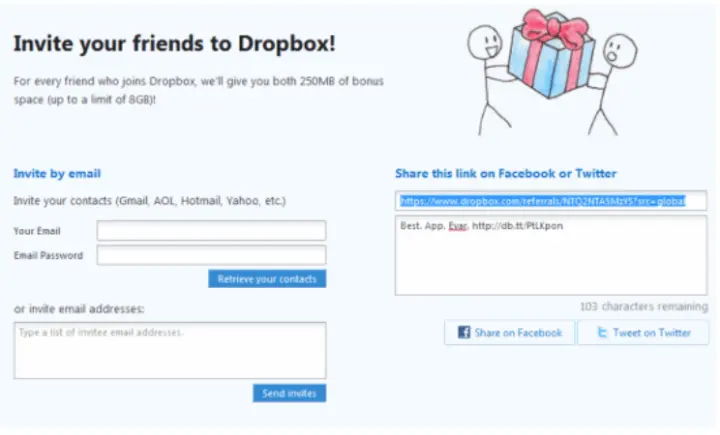
In its early days, Dropbox faced a massive problem. Advertising for cloud storage was incredibly expensive, and their customer acquisition cost exceeded the price of their product. They scrapped their advertising budget and built a referral engine instead.
The Strategy: They gamified the process.
Dropbox offered existing users 500MB of free extra storage for every friend they invited who successfully signed up.
This simple “give space to get space” incentive permanently changed their trajectory. Dropbox grew from 100,000 registered users to over 4 million users in just 15 months, driven entirely by users sending invite links to their colleagues and friends. (Source)
2. Tesla: Selling a Vision and a Community
For years, Tesla famously boasted a $0 marketing budget. They did not run television commercials or buy magazine spreads like traditional automotive giants. Instead, they built a product so revolutionary that the media and the public could not stop talking about it.
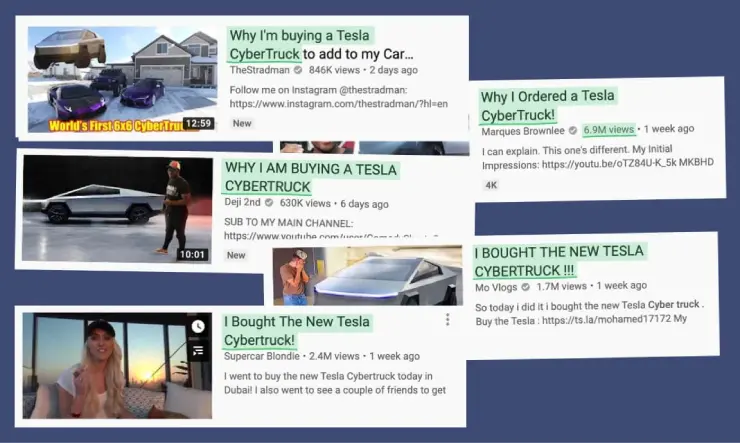
The Strategy: Tesla focused on extreme innovation and a highly lucrative referral programme. At one point, referring multiple friends could win you a completely free Tesla Roadster. Furthermore, CEO Elon Musk used his personal social media presence to talk directly to consumers, bypassing traditional public relations channels.
By turning their early adopters into a cult-like community of brand evangelists, Tesla generated billions of dollars in pre-orders for new models based purely on hype and word of mouth.
3. Zara: Prime Locations Over Billboards
Fast-fashion giant Zara operates completely differently from its competitors. While other fashion brands spend roughly 3% to 4% of their massive revenues on advertising, Zara spends a microscopic 0.3%.
The Strategy: Zara relies on location and scarcity. Instead of buying billboards, they spend their money opening massive, beautiful stores right next to luxury brands like Gucci and Prada. They also change their inventory twice a week.
Because the stock changes so rapidly, shoppers know they have to buy an item immediately before it disappears. This creates extreme urgency. Shoppers then tell their friends about the new drops, turning their customer base into a walking marketing channel.
4. Gymshark: The Power of Micro-Communities
Before “influencer marketing” was a standard industry term, a small UK fitness brand called Gymshark was busy redefining how to sell apparel. They did not have the budget to compete with Nike or Adidas on television.
View this post on Instagram
The Strategy: The founder sent free workout gear to highly respected fitness YouTubers and Instagrammers. He did not ask for a scripted review. He just wanted them to wear it.
Because the product was genuinely great, the athletes wore it in their videos. Their loyal followers asked where the clothes were from, sparking organic conversations in the comments section. Gymshark grew into a billion-dollar company entirely by sponsoring individuals and letting those micro-communities spread the word.
5. Airbnb: Turning Users into Advocates
Breaking into the hospitality industry was incredibly difficult for Airbnb. Convincing people to sleep in a stranger’s spare bedroom required a massive amount of trust.
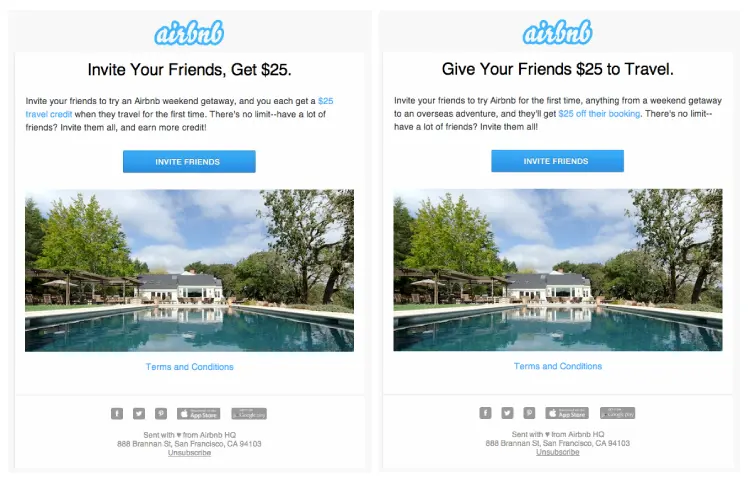
The Strategy: Airbnb focused on user-generated content and dual-sided incentives. They hired professional photographers to make the early listings look stunning, which encouraged people to share the unique homes on social media. They also offered travel credits. If you invited a friend, your friend got a discount on their first stay, and you received credit for your next holiday.
The Data: This created a viral loop. People wanted the travel credits, so they actively pushed the Airbnb platform to their entire social network, driving massive global adoption.
6. Sriracha: Letting the Product Speak
Huy Fong Foods, the maker of the famous Sriracha hot sauce, is the ultimate anomaly in the food industry. They have never employed a single salesperson and they have never spent a penny on consumer advertising.
The Strategy: The founder focused 100% of his effort on product quality and distinct packaging. The iconic green cap and rooster logo stood out on restaurant tables.
The sauce was so good that restaurant patrons would ask the chefs what it was. Word spread from local Asian restaurants in California to global supermarkets purely through taste-testing and fan obsession. Today, it is a multi-million dollar empire built entirely on flavour and conversation.
How Can You Engineer Word of Mouth for Your Brand?
You do not need to be a billion-dollar tech company to get people talking. You just need a systematic approach to customer satisfaction.
- Exceed Expectations: People do not talk about average experiences. They only talk about the terrible ones or the exceptional ones. Over-deliver on your packaging, your customer service, or your delivery speed.
- Create a Referral Incentive: Give your current customers a selfish reason to talk about you. Offer a discount code that benefits both the referrer and the new customer.
- Build Shareable Moments: Create physical or digital experiences that look great on camera. If your cafe has a unique interior design, people will naturally take photos and share them online.
Why You Need an Agency to Spark the Conversation
While word of mouth happens organically, the initial spark usually requires highly strategic planning. If you want people to talk about your brand on the internet, you have to give them something interesting to talk about.
This is why a dedicated social media marketing agency actively manages these conversations. We reply to comments, foster brand communities, and amplify positive reviews so that a single customer’s recommendation reaches thousands of potential buyers. At Flora Fountain, we help you transform quiet customers into loud, proud brand ambassadors.
Conclusion
Word of mouth is not a happy accident. It is the result of exceptional products, brilliant incentives, and a deep understanding of human psychology.
Brands like Dropbox and Gymshark proved that you do not need the biggest advertising budget in the world to win. You just need to build a brand that people genuinely want to share with their friends
By working with a skilled digital marketing agency, you can build the referral systems and highly shareable campaigns that turn quiet customers into loud brand advocates. Focus on your customer experience, incentivise loyalty, and watch your community grow.
Frequently Asked Questions

Vasim Samadji is a partner at Flora Fountain, where he leads the Business and Marketing Strategy divisions. In a world where everyone is used to sugarcoating, his directness is often considered rude. But that shouldn't be a problem if you like the no-nonsense approach. Because he is a seasoned professional...