

For the past decade, walking down a digital high street felt like looking at clones.
Almost every major company stripped away its unique characteristics in favour of uniform, flat, sans-serif logos. Today, that era of safe design is fracturing. As we navigate through 2026, the creative world is split into two fiercely opposing camps.
On one side, we have the refinement of minimalism. On the other side, we have the explosive, rebellious energy of maximalism.
As a leading branding agency, we know that choosing between these two aesthetics is no longer just a matter of visual preference. It is a strategic business decision. The design you choose dictates how your audience feels, how your website performs, and whether you fade into the background or stand out in a saturated market.
Here is everything you need to know about the defining design battle of 2026 and how to position your brand for success.
Table of Contents
- What is “Blanding” and Is It Good For Your Brand?
- What Exactly Is Minimalist Branding?
- Why Are Brands Suddenly Embracing Maximalism?
- How are Indian Branding Agencies Adapting to These Trends?
- Minimalist vs Maximalist: Which One Should Your Brand Choose?
- Can You Do Both? The Rise of the Hybrid Brand
- Conclusion
- Frequently Asked Questions
What is “Blanding” and Is It Good For Your Brand?
To understand 2026, we must look at the fatigue of the early 2020s.
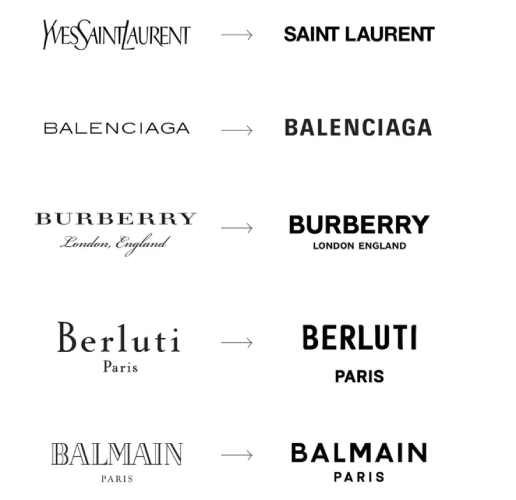
For years, global brands adopted minimalism to appear modern, premium, and mobile-friendly. However, this led to a phenomenon heavily criticised as “Blanding.”
Coined by Thierry Brunfaut along with Tom Greenwood Companies in 2018, it refers to the trend of brands adopting minimalist, uniform, and often characterless sans-serif logos.
Brands lost their distinct voices, resulting in a landscape saturated by noise where everything looked the same.
After years of seeing similar clean layouts everywhere, audiences began craving personality and cultural depth.
Is it something you should look out for in your brand? Well, Blanding can be effective for established giants like Uber that already have massive market presence and need a functional “utility” look. However, for startups or small businesses, it is often detrimental because it makes it much harder to stand out and earn consumer attention in a crowded market
What Exactly Is Minimalist Branding?
If you think minimalism is going out of style, think again.
View this post on Instagram
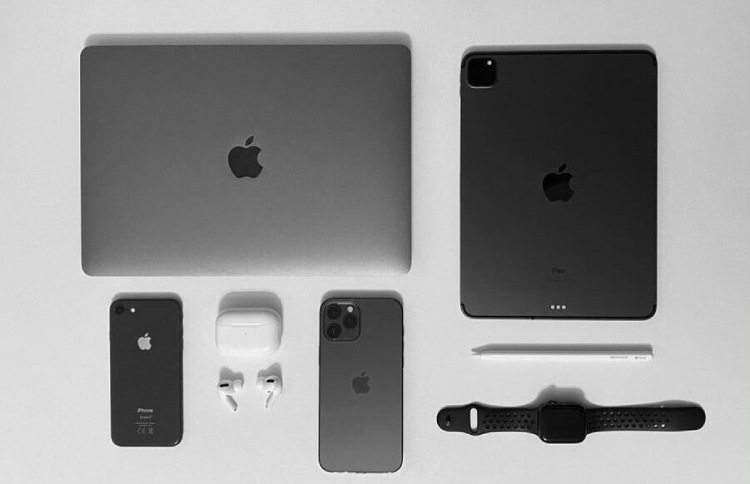
In 2026, minimalism is less about the absence of design and more about considered restraint and reducing friction.
The Shift to “Warm” and Functional Minimalism
- Earlier, minimalism was often tied to an elite, aspirational emptiness, but today it has shifted toward practicality and honesty.
- We are seeing the rise of “warm minimalism,” which keeps clean lines but introduces natural textures and softer tones.
- It relies on clean logo aesthetics and simple base colours to create predictable, calm experiences in an unpredictable world.
The Technical Advantage
- Minimalist design is a strategic necessity for mobile-first branding, as smaller screens demand clarity, speed, and simplicity.
- Websites built on minimalist principles load much faster due to smaller file sizes.
- From an SEO perspective, clean layouts help users navigate easily, reducing cognitive load and improving user experience.
Typography as the Hero
- With fewer decorative graphics on the screen, typography becomes the primary visual storyteller.
- Clean and readable fonts, paired with strong contrast, allow brands to communicate authority without excess.
Why Are Brands Suddenly Embracing Maximalism?
On the exact opposite end of the spectrum, maximalism is making a massive comeback
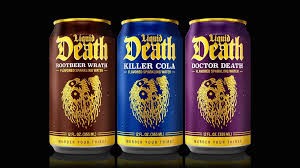
Maximalist branding is bold, layered, and unapologetically expressive. It embraces colour, texture, personality, and detail to create impact.
View this post on Instagram
While minimalism seeks to impress, maximalism seeks to dominate.
It embraces rich colours, layered visuals, strong typography, and unapologetic creative freedom.
The Antidote to Digital Numbness
- While minimalism reduces anxiety by limiting stimuli, maximalism reduces numbness by increasing sensation and engagement.
- Maximalist brands use bold, vibrant colours and clashing patterns to start conversations and take up space in the consumer’s mind.
- This style thrives on surrealist imagery, exaggerated scales, and tactile textures that mimic touch and motion in a digital format.
View this post on Instagram
The Power of Gen Z Branding Preferences
- Gen Z is actively rewriting the visual rules, pushing industries into bolder territories where minimalism simply does not make the cut.
- For younger audiences, maximalism is a language used to say “this is me” without requiring any further explanation.
- Brands targeting Gen Z use bold typography, maximalist design, layered visuals, and high-energy styles to feel energetic, relatable, and human.
Storytelling and Social Media Dominance
- On platforms like TikTok, Instagram, and Pinterest, bold maximalist visuals are winning scroll-stopping attention.
- It serves as a powerful storytelling tool that helps brands convey culture, emotion, and deep narratives in highly crowded digital environments.
How are Indian Branding Agencies Adapting to These Trends?
View this post on Instagram
When we look at 2026 branding agency trends in India, we see a unique cultural intersection.
The Indian market does not exist in a vacuum. It is heavily influenced by global digital shifts while remaining deeply rooted in local traditions.
In our increasingly global world, localised experiences and cultures grab consumer attention because they stand out from standard corporate norms. Gujarat branding design trends, for example, naturally lend themselves to a maximalist approach.
The region is famous for its vibrant festivals, intricate textile patterns, and high-energy culture.
However, local corporate entities are demanding a balance.
We are seeing businesses incorporate patterns and symbols rooted in their regional heritage, paired with typography inspired by local traditions, all structured within a modern, highly usable digital framework.
Minimalist vs Maximalist: Which One Should Your Brand Choose?
Choosing between these two forces is about alignment, not just aesthetics. As a strategic branding agency, we urge clients to assess their goals before picking a visual lane.
| Feature | Minimalist Branding | Maximalist Branding |
|---|---|---|
| Core Philosophy | Restraint with purpose; doing more by doing less. | Bold, expressive, and emotionally loaded storytelling. |
| Visual Elements | Muted colour palettes, generous white space, clear hierarchy. | Mixed patterns, vibrant gradients, decorative typography. |
| Best Suited For | Tech, finance, corporate, and luxury sectors seeking trust. | Entertainment, fashion, youth-focused, and lifestyle brands. |
| Digital Performance | Excellent for website speed, mobile UX, and SEO. | Excellent for social media virality, PR coverage, and engagement. |
| Brand Perception | Signals maturity, professionalism, and premium value. | Signals creativity, unique personality, and unapologetic energy. |
Can You Do Both? The Rise of the Hybrid Brand
The most successful brands in 2026 are realising that they do not have to pledge blind allegiance to just one style.
The debate is no longer about choosing one over the other, but about understanding intent.
Enter the hybrid design (aka Bold Minimalism) approach. Many modern brands are adopting intentional maximalism branding over minimal foundations.
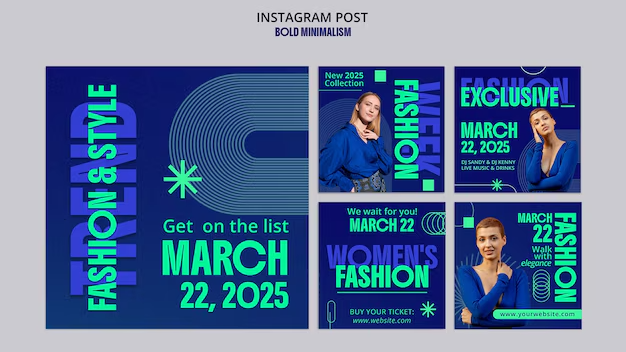
- How it works: A brand might use a clean, minimalist layout for its website to ensure fast loading times and clear user navigation.
- The twist: That same brand will inject maximalist elements (like expressive typography or vibrant illustrations) into its social media campaigns or packaging to generate emotional buzz.
- The result: This blended approach provides the clarity and trust of minimalism alongside the character and energy of maximalism.
In 2026, identity is modular. Brands that understand when to be beautifully simple and when to be fiercely bold will dominate both search engine results and consumer hearts.
Conclusion
Trends will always come and go, but strategic design is permanent. Whether your brand aligns with sustainable design trends driven by minimalism or the chaotic joy of maximalism, the execution must be intentional. At Flora Fountain, we build brands that don’t just look relevant today but remain impactful for years to come.
If you are ready to stop blending in and start connecting with your ideal audience, partner with a branding agency that understands the science behind the style.
Frequently Asked Questions
The founder and partner of Flora Fountain, Shefali leads the Content and Technology divisions. A one-time engineer who started her career writing front-end code, she took a detour sometime during her 9 years in New York, studied journalism and started writing prose, poetry and sometimes jokes. She now has 15...