


Every time Google announces a new core update, the digital world holds its breath. For many, it feels like a game of chance: will your traffic survive, or will your rankings vanish overnight? But in 2026, the most successful brands are not playing a game of luck. They are using Algorithm-Proof SEO to build a foundation that thrives regardless of what the machines decide next.
The goal is no longer to "solve" the latest update, but to outgrow the need to worry about them. By shifting from a reactive posture to a proactive long-term SEO strategy, you move your brand out of the line of fire.
As an experienced digital marketing agency, we have seen that the "churn and burn" tactics of the past. Keyword stuffing, thin content, and low-quality links are no longer just ineffective; they are a liability. Algorithm-proofing is about moving away from "gaming the system" and moving toward "becoming the system." It is about establishing your brand as a primary source of truth that the AI must cite.
Table of Contents:
- What is a search algorithm, and how does it affect your brand?
- Why is Algorithm-Proofing critical for your brand in 2026?
- Master Guide: The 4 Pillars of an Algorithm-Proof SEO Strategy
- Pillar 1: Building Strong Topical Authority
- Pillar 2: Understanding Entity Recognition and Semantic Search
- Pillar 3: How to Establish Off-SERP Authority
- Pillar 4: How to Build Technical Excellence and AI-Ready Infrastructure
- What is the "Human-in-the-Loop" Framework?
- Conclusion
- FAQs
What is a search algorithm, and how does it affect your brand?
At its simplest, a search algorithm is a complex set of rules and calculations that a search engine uses to sort through billions of web pages and deliver the most relevant results to a user. Think of it as a digital librarian: it scans the entire internet library, evaluates the quality and relevance of every “book” (website), and decides which ones deserve to be on the front display.
The Ever-Changing Algorithms
Today, Google’s artificial intelligence (AI)-infused algorithm changes constantly, responding every moment to its users’ preferences. The use of AI means there are algorithms teaching algorithms, and we’ll never have a clear view of particular ranking factors again. So, an SEO strategy that’s still tied to how Google’s algorithm operates is like a house built on sand; shifting, unstable, and unpredictable.
As a leading SEO Agency, we believe that these shifts directly impact your revenue: a sudden drop in rankings often leads to a massive loss in leads and sales. Understanding that the algorithm’s goal is to serve the user, not the marketer, is the first step in building a strategy that stays visible.
Why is Algorithm-Proofing critical for your brand in 2026?
In 2026, the search landscape is more volatile than ever. We have moved from a list of “10 blue links” to an integrated Discovery Engine where AI synthesises answers in real-time. Relying on a single ranking factor or a specific “trick” is the biggest risk to your business’s health. If your traffic relies on a specific algorithm quirk, you are building your house on sand.
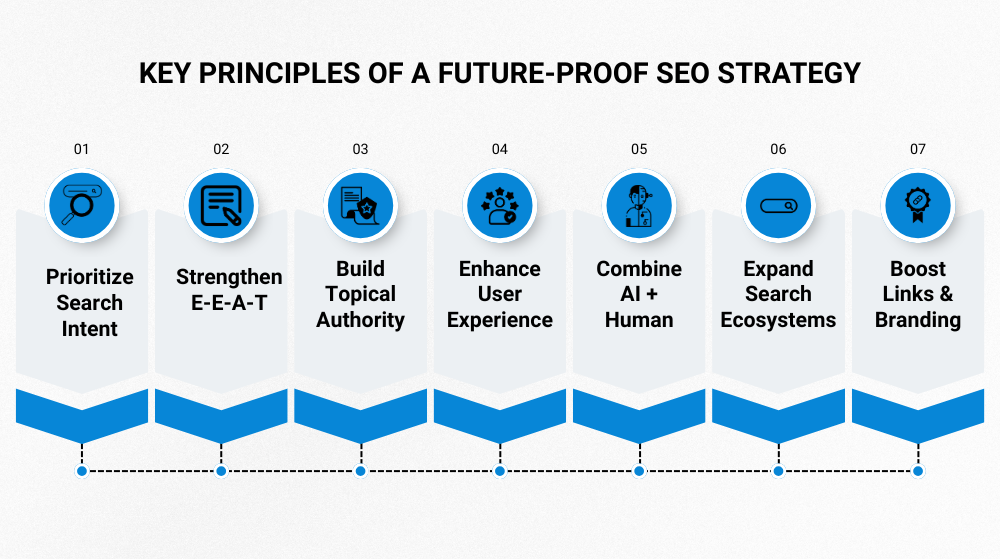
Algorithm-proofing is critical because it shifts your focus from “chasing clicks” to “building equity.” By creating a resilient digital ecosystem, you ensure that even when Google changes its “recipe,” your brand remains an essential ingredient. As a strategic digital marketing agency, we focus on building a brand presence that search engines cannot ignore. When you are the definitive source for a topic, the algorithm is forced to include you, regardless of the latest technical tweaks.
Master Guide: The 4 Pillars of an Algorithm-Proof SEO Strategy
Pillar 1: Building Strong Topical Authority
In 2026, topical authority is the primary currency of SEO. Search engines no longer value one-off pages; they reward brands that own an entire subject. You build this by creating an interconnected library of content that covers every possible sub-topic and user question within your niche.
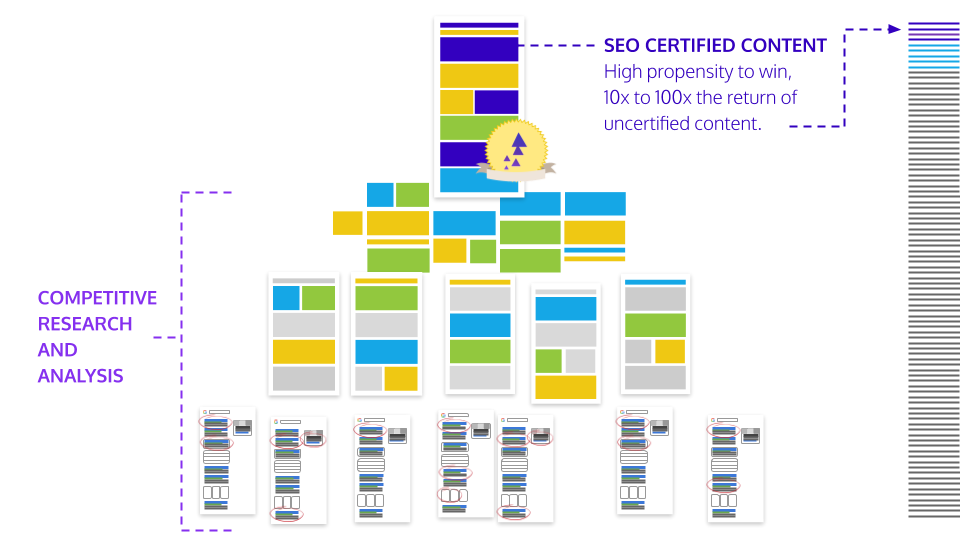
- Hub and Spoke Models: Create central pillar pages for broad topics, supported by clusters of in-depth articles that explore every nuance.
- Internal Linking: Your links are the roads connecting your “city of knowledge,” helping both users and bots understand the relationship between concepts.
- Comprehensive Depth: If a user searches for a problem, your site should provide a clear, expert solution that prevents them from needing to search again.
Pillar 2: Understanding Entity Recognition and Semantic Search
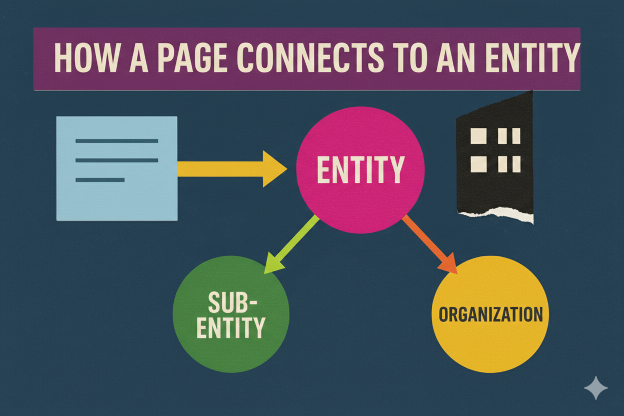
Modern algorithms do not just think in keywords; they think in Entities (real-world concepts like people, places, and brands). Your content must be structured to clearly define who you are and what you specialise in.
- Advanced Schema Markup: Use Structured Data to tell the machine exactly what your data represents (e.g., an author’s credentials or a product’s price).
- Semantic SEO: Optimise for the meaning of a query, not just the words. Use natural language and related terms that AI models use to verify expertise.
- Consistent Identity: Ensure your brand facts are identical across your website, social media, and third-party directories to build a high “Confidence Score.”
Pillar 3: How to Establish Off-SERP Authority
Algorithm-proof SEO requires an “Off-SERP” strategy. Google is no longer just crawling your site; it is listening to the entire digital conversation to understand who holds genuine influence. You cannot “game” these signals; you have to earn them.
- Digital Brand Echo: Are experts in your field mentioning your research in their podcasts? Are people recommending your tools on Reddit or Quora?
- Branded Searches: When people search for your brand name directly, it is a powerful signal to the algorithm that you are a trusted entity.
- Unlinked Mentions: Even without a backlink, a mention of your brand on a high-authority news site acts as social proof in the eyes of the algorithm.
Pillar 4: How to Build Technical Excellence and AI-Ready Infrastructure
A site that is technically broken is a site that the algorithm will eventually discard. Your infrastructure must be fast, mobile-first, and easy for AI agents to retrieve.
- The llms.txt Standard: Provide a machine-readable summary of your site specifically for AI training and retrieval agents.
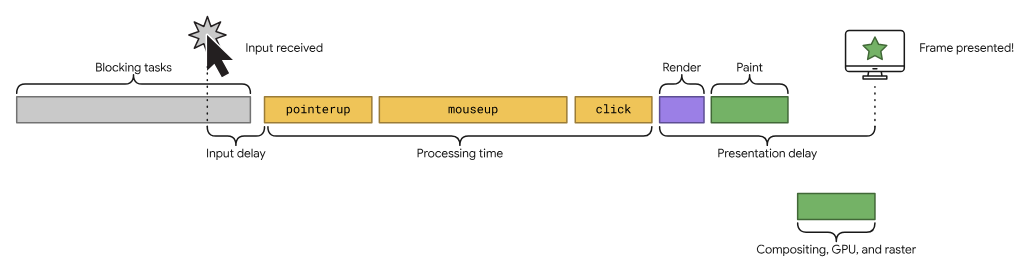
- Speed and INP: Interaction to Next Paint (INP) is the new baseline for user satisfaction. A clunky site is a “low-quality” signal to modern search engines.
- Server-Side Rendering: Ensure your core content is visible in the raw HTML, so AI agents “performing a quick skim” do not miss your most valuable insights.
What is the “Human-in-the-Loop” Framework?
The irony of AI-driven search is that it is more reliant on human-led signals than ever before. Google is aggressively filtering out the “sea of sameness” produced by automated, unedited content. To be algorithm-proof, you must maintain a Human-in-the-Loop (HITL) framework.
As a leading SEO Agency, we use AI to handle the data-heavy tasks, but we rely on human experts to provide the “Information Gain”—the original data, the personal anecdotes, and the rhythmic variation that bots cannot fake. Google’s documentation explicitly states that while the method of creation is not penalised, the lack of human-led value is. By injecting authentic human expertise into every piece of content, you create a “Trust Moat” that no automated update can breach.
Conclusion
Algorithm-Proof SEO is not a one-time task; it is a philosophy of building a brand that provides undeniable value. By focusing on the four pillars: topical authority, entity recognition, off-SERP signals, and technical excellence, you ensure your brand stays at the top of the “Discovery Engine” regardless of the latest update.
Working with a premier digital marketing agency allows you to move from “reacting” to “building.” Stop chasing the algorithm and start leading it. If you want to future-proof your presence and build a site that search engines must show, it is time to invest in a strategy that transcends the update cycle.
FAQs
The founder and partner of Flora Fountain, Shefali leads the Content and Technology divisions. A one-time engineer who started her career writing front-end code, she took a detour sometime during her 9 years in New York, studied journalism and started writing prose, poetry and sometimes jokes. She now has 15...