


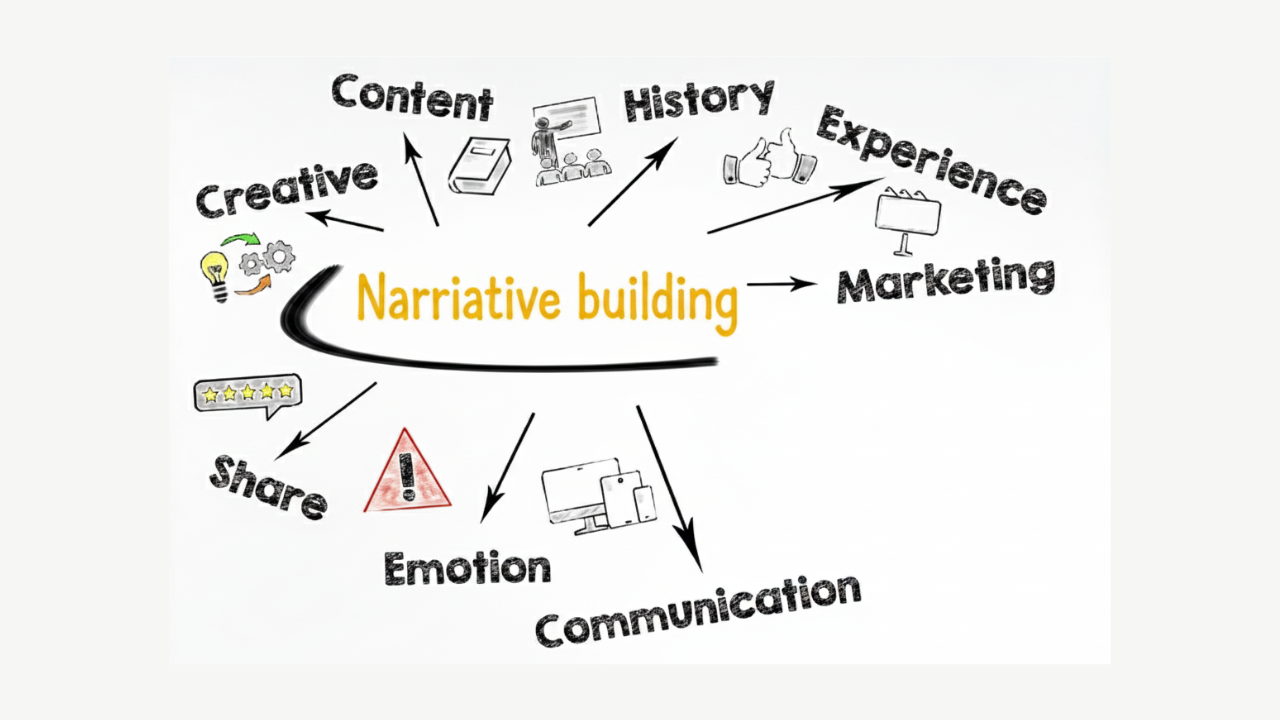
Let’s be honest. You’ve seen the posts. “We’re passionate about innovation. Our team is dedicated to excellence. We’re committed to making a difference.” Congratulations, you’ve just described every company ever, from global tech giants to that local bakery that definitely doesn’t have a mission statement.
Here’s the uncomfortable truth: a massive portion of Gen Z now trusts information about brands on social media more than traditional search or AI chatbots.
The challenge isn’t creating content; the challenge is creating narratives worth trusting. Global consumers now consider trust a “buy or boycott” factor. That’s not a marketing metric; that’s survival data. From the perspective of a social media marketing agency that has worked in the industry for 10+ years, we’ve watched brands invest millions in campaigns that feel like focus-group-tested sterility, then wonder why nobody cares.
The businesses dominating social trust in 2026 aren’t the ones with the biggest budgets or the slickest production. They’re the ones whose narratives feel human, even when they’re coming from organisations.
Table of Contents:
- Why Authenticity Isn’t What You Think It Is
- The Architecture of Believable Brand Narratives
- Platform-Specific Storytelling (Because TikTok Isn’t LinkedIn, Shocking)
- The Creator Economy Integration
- Crisis Narratives and When Things Go Sideways
- Measuring Trust (Beyond Vanity Metrics)
- Conclusion
- FAQs
Why Authenticity Isn’t What You Think It Is
The Authenticity Paradox
View this post on Instagram
Everyone demands authenticity. Nobody agrees on what it means. Is it showing your messy office? Posting unfiltered photos? Having your CEO cry on camera about their journey? Spoiler alert: none of that is inherently authentic. It’s just another performance, carefully calculated to appear uncalculated.
Authenticity in 2026 means no sneaky paid posts without disclosure, no inflated follower counts, and no glossing over product flaws. Real authenticity is substantially more boring and way more valuable. It’s admitting when you’ve screwed up. It’s explaining your actual pricing structure instead of hiding behind “contact us for details.” It’s featuring the person who actually designed the product, not just your polished marketing team.
Research confirms this isn’t optional anymore. Most consumers say they’re more likely to trust brands committed to publishing content created by humans versus AI. Your audience knows when a human wrote something versus when a bot vomited corporate speak. They can tell. They always can.
What Actually Works
Authenticity that builds trust follows three principles:
- Consistency Over Time: You can’t be “authentic” for one campaign and then disappear back into corporate mode. Whilst your tone doesn’t need to be the same on each channel, the underlying message and values should be stable. Pick a voice. Stick with it. Even when it’s not trending.
- Transparency About Limitations: The brands winning trust aren’t claiming perfection. They’re honest about trade-offs. “Our product costs more because we pay fair wages” beats “premium quality” every time. Specificity signals honesty.
- Admitting When You Don’t Know: Revolutionary concept, but saying “we’re figuring that out” builds more trust than confidently bullshitting your way through topics you don’t understand. Any credible branding agency will confirm this. The corporate impulse to never admit uncertainty kills trust faster than almost anything else.
The Architecture of Believable Brand Narratives
Story Structure That Doesn’t Insult Intelligence
Good brand narratives aren’t fairy tales. They’re frameworks that help audiences understand what you actually do and why it matters to them specifically. Not to humanity. Not to “the world.” To them.
| Narrative Component | What It Does | What It Doesn’t Do |
|---|---|---|
| Origin Story | Explains why you exist and the actual problem you solve. | Read like a hagiography of a founder’s genius. |
| Value Proposition | Clarifies specific benefits for specific people. | Make vague promises about “revolutionising” life. |
| Proof Points | Shows concrete evidence of claims. | List awards nobody’s heard of or fake testimonials. |
| Ongoing Growth | Demonstrates you’re actively improving. | Pretend you’ve achieved perfection already. |
The Multi-Chapter Approach
Recent surveys show that interacting with audiences and posting original content series are neck and neck in terms of effectiveness. Notice what that means. Audiences want serialised content. They want to follow along. They want chapters, not one-off posts they’ll forget in three seconds.
This isn’t complicated. Document your actual work. Show product development iterations. Feature different team members explaining their specific contributions. Create behind-the-scenes series that aren’t just “look how fun our office is” but actually explain how things work. Content series enable brands to delve deeper into topics that matter to them and their audience, laying the groundwork for more meaningful connections.
View this post on Instagram
Think about GoPro. The brand often posts short-form Reels collaborating with adventure content creators or extreme athletes, showing their products doing the things they’re designed to do. Not ads. Stories. Real people using real products in real scenarios. Groundbreaking stuff, truly. A professional branding agency knows that cultural context significantly influences effectiveness, and this means understanding what your specific audience actually cares about rather than exploiting a trend.
Platform-Specific Storytelling (Because TikTok Isn’t LinkedIn, Shocking)
Stop Cross-Posting Everything Everywhere
The laziest possible approach to social media is creating one piece of content and blasting it across every platform with identical captions. Congratulations, you’ve just told every audience that you couldn’t be bothered to actually speak to them specifically. Any functional digital marketing agency stopped doing this approximately five years ago.
Platform Narrative Differences:
- Instagram: Visual-first storytelling with aesthetic coherence. Series that unfold across posts. Stories for ephemeral, personality-driven content.
- TikTok: Brands learned they can earn attention by being entertaining without being useful, as long as they are consistent characters. It rewards personality and being willing to look slightly unhinged in the service of entertainment.
- LinkedIn: Professional doesn’t mean boring. Thought leadership that actually demonstrates thought. Behind-the-business narratives. Team spotlights that go beyond job titles to show expertise.
- X (formerly Twitter): Conversational, quick-response, real-time relevance. Less polish, more personality. The platform for brands with something to actually say, not brands performing having opinions.
Different social media environments exhibit unique community norms and interaction styles that influence narrative success. You wouldn’t wear the same outfit to a beach party and a board meeting. The same principle applies here, except somehow brands keep showing up to TikTok in their LinkedIn suit, wondering why nobody’s engaging.
The Creator Economy Integration.
Why Influencer Partnerships Feel Fake
Most brand-creator collaborations feel transactional because they are transactional. The brand sends the product. Creator posts generic praise. Audience rolls eyes. Everyone pretends engagement numbers mean something. Rinse, repeat, wonder why it didn’t move the needle.
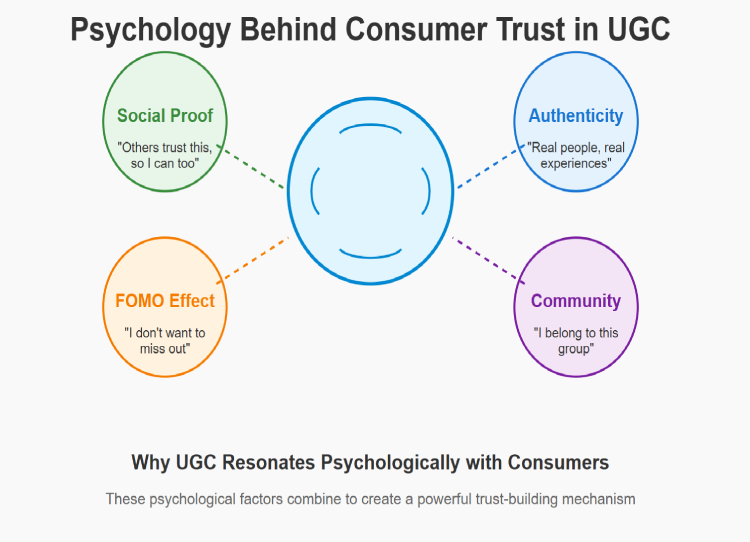
Brands often still treat influencers like ad slots, which can be a huge miss. Creators are basically ultra-high-net-worth clients with audiences instead of assets. This framing shift matters. You’re not buying a post; you’re building a relationship with someone who has genuine influence over purchasing decisions.
What Actually Works
Success comes from generating authentic conversations rather than isolated sponsored posts. This works best when creators genuinely care about the brand values. Research shows that 84% of Gen Z trust product reviews from niche online communities more than corporate advertising. That’s not a small preference; that’s a complete trust transfer from brands to individuals within communities.
I have Tested 5 Whey Protein Products at Home using MB Pro Check. Dymatize vs MyProtein vs ON Gold vs Muscle Nectar vs Aquatein. Results in the Second Image.
by inindia
Your fancy corporate messaging can’t compete with a trusted voice saying, “I actually use this and here’s why it works.” For a competent social media marketing agency, the strategy isn’t “find influencers with high follower counts.” It’s “find genuine alignment between creator values and brand reality, then build actual relationships.” Shockingly, treating people like humans instead of media placements produces better results. Who knew?
Crisis Narratives and When Things Go Sideways
The Inevitable Screwup
You will mess up. It’s not if, it’s when. Products will fail. Employees will say stupid things. Supply chains will collapse. Customer service will drop the ball. The question isn’t whether these things happen; the question is how your narrative handles them.
In 2026, the best-performing brands are not those that avoid controversy but those that navigate it with honesty, empathy, and accountability. Notice what’s missing from that list: deflection, blame-shifting, and lawyer-approved non-apology apologies that admit nothing whilst somehow making things worse.
The Crisis Narrative Framework:
- Acknowledge immediately: Silence reads as guilt or incompetence. Neither builds trust.
- Explain specifically: What happened and why. Actual details, not vague corporate speak about “addressing the situation.”
- Own the Consequences: If people were harmed or disappointed, say that clearly.
- Demonstrate Fixes: What’s changing? Specific actions, not promises to “do better.”
- Follow Through Publicly: Actually do what you said. Then show that you did it.
The brands that maintain trust through crises aren’t the ones that never have problems. They’re the ones whose narrative infrastructure was strong enough that when problems inevitably occurred, they could address them honestly without destroying everything they’d built. This is the ultimate test for any digital marketing agency managing a brand’s reputation.
Measuring Trust (Beyond Vanity Metrics)
Why Follower Counts Mean Almost Nothing
Every mediocre brand obsesses over follower counts. Smart brands understand that follower count measures nothing except how many accounts followed you at some point. It doesn’t measure trust. It doesn’t measure influence. It barely measures attention.
What Actually Indicates Trust:
- Engagement Quality: Are people asking genuine questions or sharing personal experiences? Or are you getting emoji reactions from bots?
- Sentiment Analysis: What’s the tone of mentions? Performance monitoring should track brand sentiment and entity recognition alongside traditional rankings.
- Direct Traffic Growth: Are people typing your URL directly? That’s trust. They’re coming back intentionally.
- Customer Service Resolution Time: High-speed signals that you value their time. That builds trust systematically.
- Share Rate Over Like Rate: Liking costs nothing. Sharing puts someone’s reputation behind your content.
The Long Game
Trust emerged as the new currency in brand growth, but it’s a currency that can’t be bought; it can only be earned. Through consistency. Through honesty. Through actually giving a damn about the people who choose to pay attention to you.
Building genuine brand trust through social media narratives is substantially harder than running ads. It’s slower than standard SEO. It requires vulnerability that most corporate structures actively discourage. It means admitting you don’t have all the answers and trusting your audience to appreciate honesty over polish.
Conclusion
The businesses dominating social trust in 2026 aren’t doing anything magical. They’re telling coherent stories over time. They’re featuring real people doing real work. They’re admitting when they mess up. They’re responding to customers like humans talking to humans. This shouldn’t be revolutionary. The fact that it is tells you everything about how low the bar has fallen.
From the perspective of any functional digital marketing agency, this is both the challenge and the opportunity. Most of your competition will keep posting generic content, wondering why nobody trusts them. You can win simply by being genuine, consistent, and treating your audience like intelligent humans capable o
Frequently Asked Questions

Vasim Samadji is a partner at Flora Fountain, where he leads the Business and Marketing Strategy divisions. In a world where everyone is used to sugarcoating, his directness is often considered rude. But that shouldn't be a problem if you like the no-nonsense approach. Because he is a seasoned professional...