


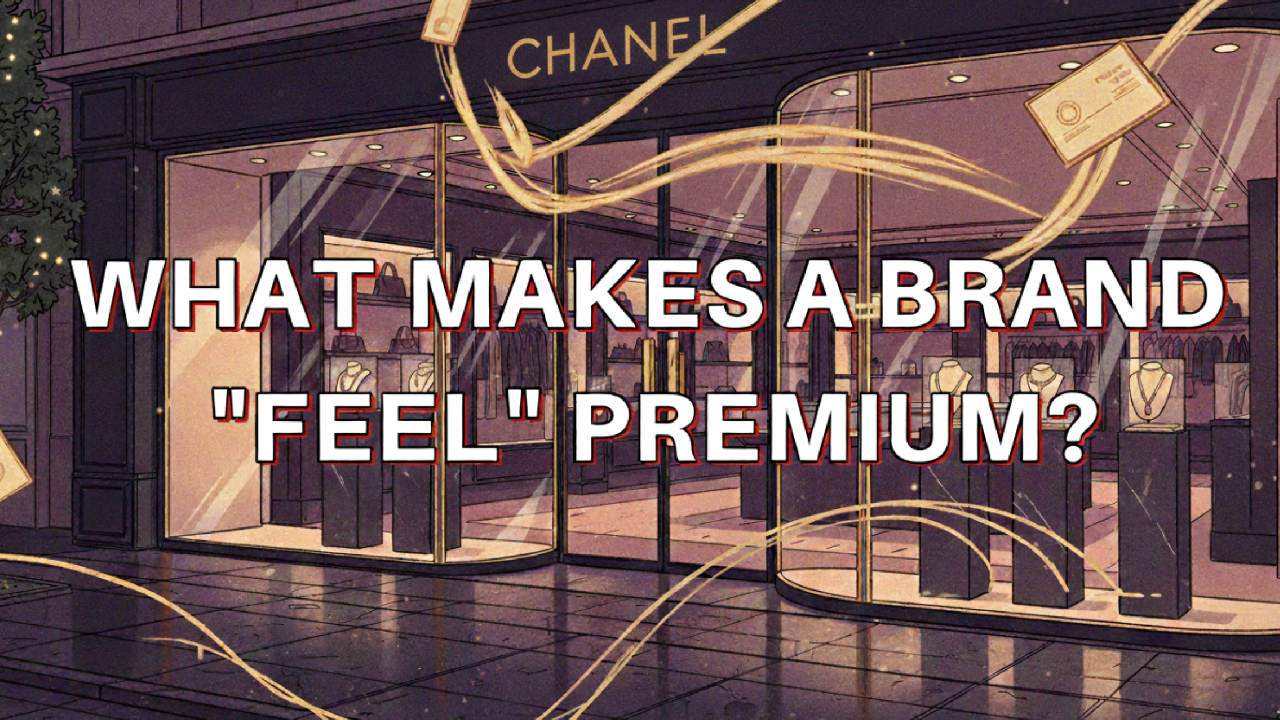
A Tata Nano and a Mercedes both provide transportation. An H&M shirt and a Hermès shirt both cover your torso. A ₹200 lipstick and a ₹2,000 lipstick both add colour to your lips. Yet one feels ordinary, whilst the other feels premium. The functional difference is marginal. The perceived difference is enormous.
This perception gap is where fortunes are made. Premium brands command much higher price premiums over non-expensive equivalents, maintain higher profit margins and build customer loyalty that survives economic downturns. But here’s what most businesses miss: premium isn’t about what you sell. It’s about what owning it says about the buyer.
For brands working with digital marketing agencies aspiring for premium positioning, understanding the mechanics of perceived luxury is essential. Premium isn’t accidental. It’s engineered through deliberate strategies around exclusivity, identity, and storytelling, which this analysis will decode through real brand examples.
Table of Contents:
- Understanding Exclusivity: More Than Manufactured Scarcity
- Building Brand Identity That Becomes Self-Expression
- Storytelling That Creates Emotional Worlds
- The Psychology Behind Premium Perception
- Maintaining Premium Through Consistency
- Measuring Success Beyond Sales
- How Agencies Can Build Premium Perception
- Concluding Thoughts
- FAQs
Understanding Exclusivity: More Than Manufactured Scarcity
Premium brands understand that exclusivity isn’t just about limited availability. It’s about creating social currency: ownership signals membership in a desirable group.
Premium brands create social currency through ownership. In the 1920s, Packard’s tagline “Ask the man who owns one” positioned ownership as social proof of success. When they introduced cheaper models during the Depression, exclusivity vanished. The brand never recovered.
Modern exclusivity operates similarly. Supreme mastered it through limited drops and secondary markets where items trade at 2-10x retail. Hermès maintains waitlists lasting years. The exclusivity isn’t artificial scarcity, it’s the status ownership confers.
The lesson: Exclusivity creates value through perceived status, not unavailability alone. Diluting it for short-term sales destroys long-term positioning.
Lucky Strike’s Strategic Exclusivity
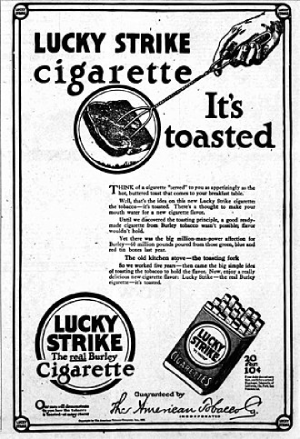
In the 1940s, Lucky Strike cigarettes positioned themselves as the choice of discerning smokers through the slogan “It’s toasted.” This wasn’t about the manufacturing process (most cigarettes used similar methods). It was about creating the perception that Lucky Strike smokers were sophisticated enough to appreciate quality others overlooked.
Modern Exclusivity: Supreme’s Drop Model
Supreme mastered modern exclusivity through timely product drops in limited quantities. Items sell out within minutes, creating secondary markets where products trade at 2-10x retail prices. The exclusivity isn’t just scarcity. It’s the cultural capital of owning something others couldn’t get.
Building Brand Identity That Becomes Self-Expression
Premium brands succeed when they represent who customers want to be, not just what customers want to own.
Chanel No.5: Bottling Sophistication
Chanel No.5 isn’t perfume, it’s sophistication bottled. Since 1921, the brand associates with iconic women. Marilyn Monroe claimed she wore “only Chanel No.5” to bed. The minimalist bottle says “I don’t need loud logos. My sophistication speaks for itself.” Women pay premiums because wearing it makes them feel like the elegant woman they aspire to be.
Lululemon: The Aspirational Athlete Identity
Lululemon doesn’t sell yoga pants, it sells wellness identity. The brand created community through free yoga classes, ambassador programmes and wellness content. At ₹7,000-12,000 per pair versus ₹1,500-3,000 alternatives, the premium is justified by identity signal. Wearing Lululemon announces “I’m someone investing in wellness.” The distinctive logo placement ensures visibility during classes, making customers free brand ambassadors.
Apple: The Creative Professional Identity
Apple positioned Mac computers as tools for creative rebels, not corporate workers. The “Think Different” campaign featured Einstein, Gandhi and MLK. This identity marketing meant creatives willingly paid 2-3x premiums. Apple stores reinforced this through minimalist design and “Genius Bar” nomenclature, more gallery than store.
Storytelling That Creates Emotional Worlds
Premium brands don’t sell products. They sell narratives that customers want to inhabit.
Nespresso: Everyday Luxury Ritual
Nespresso transformed capsule coffee into a premium ritual through George Clooney campaigns. “What else?” became shorthand for uncompromising standards. The boutique retail experience, colour-coded capsules and club memberships reinforced that Nespresso wasn’t just coffee, it was refined lifestyle.
Patagonia: Environmental Stewardship Story
Patagonia justifies premiums through environmental stewardship storytelling. “Don’t Buy This Jacket” paradoxically reinforced positioning by demonstrating values beyond profit. The Worn Wear programme repairs and resells used items, creating emotional connection beyond products. Customers join a movement, and membership has premium value.
Hermès: Craftsmanship Legacy
Hermès bags aren’t expensive due to material costs, they’re expensive because of craftsmanship stories. Each Birkin requires 18-25 hours of hand-stitching by a single craftsperson. This narrative transforms handbags into heirlooms and investments. Customers acquire living tradition.
The Psychology Behind Premium Perception
Understanding why consumers pay premiums requires examining psychological drivers that digital marketing agencies must leverage.
The Veblen Effect
Economist Thorstein Veblen identified “conspicuous consumption” where demand increases as price rises because high prices signal status. Luxury goods often exhibit Veblen dynamics: expensive because they’re exclusive and exclusive because they’re expensive.
Premium brands deliberately price above functional value to create this signal. A ₹2 lakh handbag isn’t 100x better functionally than a ₹2,000 handbag. But it signals 100x more social status, which has real value in social hierarchies.
Identity Economics
Nobel laureate George Akerlof’s identity economics explains that people make purchasing decisions reinforcing desired identities. Premium brands succeed by clearly associating products with aspirational identities.
A social media marketing agency positioning a premium brand must identify the aspirational identity the target audience holds and consistently associate the brand with that identity across all touchpoints.
The Halo Effect
Premium positioning in one attribute creates a perception of superiority across all attributes. If a brand is perceived as exclusive, customers assume it’s also higher quality, better designed and more desirable even when objective differences are minimal.
This is why premium brands obsess over every detail. A luxury hotel’s premium pricing is reinforced by thread count in linens, not because guests consciously notice but because these details create cumulative halo effects.
Maintaining Premium Through Consistency
Premium positioning is fragile. One off-brand moment can destroy years of careful cultivation.
Premium positioning is fragile. One off-brand moment destroys years of cultivation.
- Never Discount: Premium brands rarely discount. Coach’s heavy outlet discounting damaged its premium positioning so severely that it required years of rebranding. Hermès never discounts. Scarcity and pricing consistency maintain perception.
- Control Distribution: Premium brands limit retail placement. Apple products don’t appear in discount stores. Chanel doesn’t sell through Amazon. Distribution control prevents brand dilution through mass-market associations.
- Visual Consistency: Every touchpoint must reinforce premium perception. Social media aesthetics, customer service interactions, and packaging all maintain a consistent visual language. Inconsistency destroys carefully constructed premium worlds.
- Customer Service Excellence: Premium brands invest disproportionately in service because interactions reinforce or undermine positioning. Ritz-Carlton empowers employees to spend up to $2,000 per guest resolving issues because premium pricing creates premium service expectations.
Measuring Success Beyond Sales
Premium brand success requires metrics beyond traditional sales figures.
Brand Equity Tracking
Premium brands measure brand equity through awareness (what percentage of the target audience knows the brand), consideration (what percentage would consider purchasing) and preference (what percentage prefers this brand over alternatives). These lead indicators predict long-term success better than quarterly sales.
Engagement Quality, Not Just Quantity
A social media marketing agency managing premium brands should track engagement depth (comments and saves, not just likes), sentiment (how positively audiences discuss the brand) and share of conversation (what percentage of category discussions mention your brand). Quality engagement from smaller, aligned audiences matters more than broad reach.
Price Premium Maintenance
Track your price premium versus competitors. If your ₹10,000 product competes with ₹3,000 alternatives, maintaining that 3.3x premium over time indicates successful premium positioning. Declining premiums suggest brand dilution, even if sales volumes increase.
Customer Lifetime Value
Premium brands should have higher customer lifetime value than mass-market alternatives. Luxury customers who buy once often return because the brand becomes part of their identity. CLV tracking reveals whether premium positioning is creating loyal advocates or just one-time buyers attracted by trends.
How Agencies Can Build Premium Perception
For digital marketing agencies and social media marketing agencies working with brands pursuing premium positioning, several strategic approaches apply:
- Conduct Psychographic Research: Go beyond demographics to understand target audience values, aspirations, and self-concept. Premium positioning must align with the identity customers want to project.
- Audit All Touchpoints: Every customer interaction must reinforce premium perception. Inconsistent website design, poor customer service, or off-brand social media content destroys carefully built positioning.
- Invest in Visual Excellence: Premium brands require premium visual execution. Photography, videography, design, and copywriting must all signal quality and sophistication.
- Build Community, Not Just Audience: Premium brands create communities where customers feel membership. Social media should facilitate connection among customers who share brand values, not just broadcast messages.
- Tell Stories, Don’t List Features: Every piece of content should contribute to the brand narrative. Product posts should show the product within the lifestyle story, not isolate it against white backgrounds.
- Partner Strategically: Collaborations and partnerships must align with or elevate brand positioning. Wrong partnerships dilute premium perception faster than they build reach.
Concluding Thoughts
Premium isn’t what you make, it’s what owning it makes customers feel about themselves. Brands commanding luxury prices win through exclusivity conferring status, identity enabling self-expression and storytelling building emotional worlds. A digital marketing agency guiding this transformation must remember that premium positioning is strategic architecture, not tactical execution. Every campaign, post and customer interaction either builds or erodes premium perception. Success requires resisting discounting when sales slow, maintaining visual consistency across touchpoints and protecting long-term brand equity despite short-term revenue pressures. The brands that succeed understand human psychology deeply enough to make their brand essential to customers’ self-concept. When owning your brand becomes part of how customers define themselves, price becomes secondary to identity. That’s when premium positioning becomes unassailable, and that’s what separates thriving luxury brands from those constantly justifying their price tags.
FAQs

Vasim Samadji is a partner at Flora Fountain, where he leads the Business and Marketing Strategy divisions. In a world where everyone is used to sugarcoating, his directness is often considered rude. But that shouldn't be a problem if you like the no-nonsense approach. Because he is a seasoned professional...